
Crop Protection Equipment in Tanzania | Types, Uses & Buying Guide
Yaani Media
Learn about the types, components, and best practices for using crop protection equipment. Discover how Agricom's sprayers and dusters can help you safely control pests, reduce chemical waste, and improve your farm's crop yield.
Crop Protection Equipment in Tanzania | Types, Uses & Buying Guide
Crop protection equipment is essential for farmers seeking healthy crops and higher yields. It helps control pests, diseases, and weeds simply and effectively. With the right tools, farming becomes easier and more productive.
Crop protection equipment includes sprayers, dusters, and weeders used on farms of all sizes. This guide explains the types of equipment, how they work, and how to choose the right one for your farm. It also covers best practices and safety tips. Using the right equipment saves time, reduces waste, and improves crop quality. At Agricom, we provide reliable solutions to support modern farming.
Visit Agricom today to explore reliable crop-protection equipment and tractors to improve farm productivity.
What is crop protection equipment?
Crop protection equipment in Tanzania refers to tools and machines used to protect crops from pests, diseases, and weeds. Farmers use this equipment to apply pesticides, herbicides, and fungicides safely and evenly. It is important in modern agriculture because it helps farmers save time, reduce crop damage, and improve efficiency. This equipment also plays a key role in increasing crop yields and reducing field losses. Using the right tools ensures healthy crops and better farm profits.
Types of crop protection equipment
Crop protection equipment comes in different types based on how farmers apply chemicals or control weeds. Each type helps farmers protect crops simply and effectively. The main types include sprayers, dusters, and weeders. Below is a simple explanation of each type and how it works.
Sprayers (Liquid application equipment)
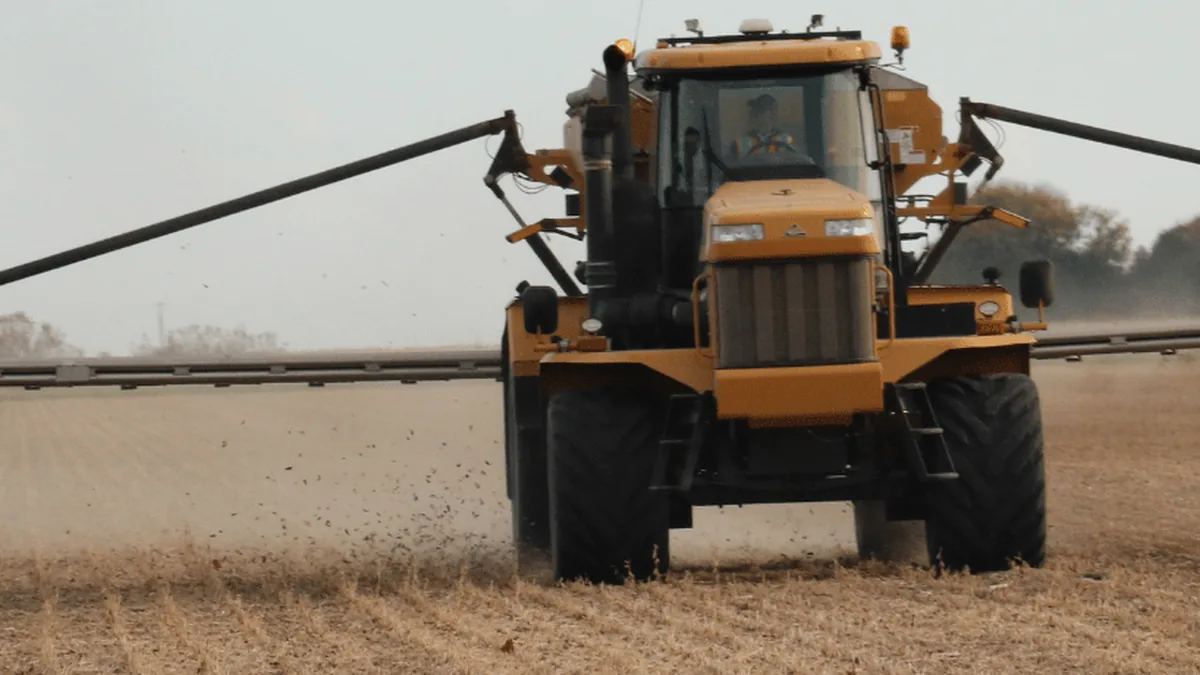
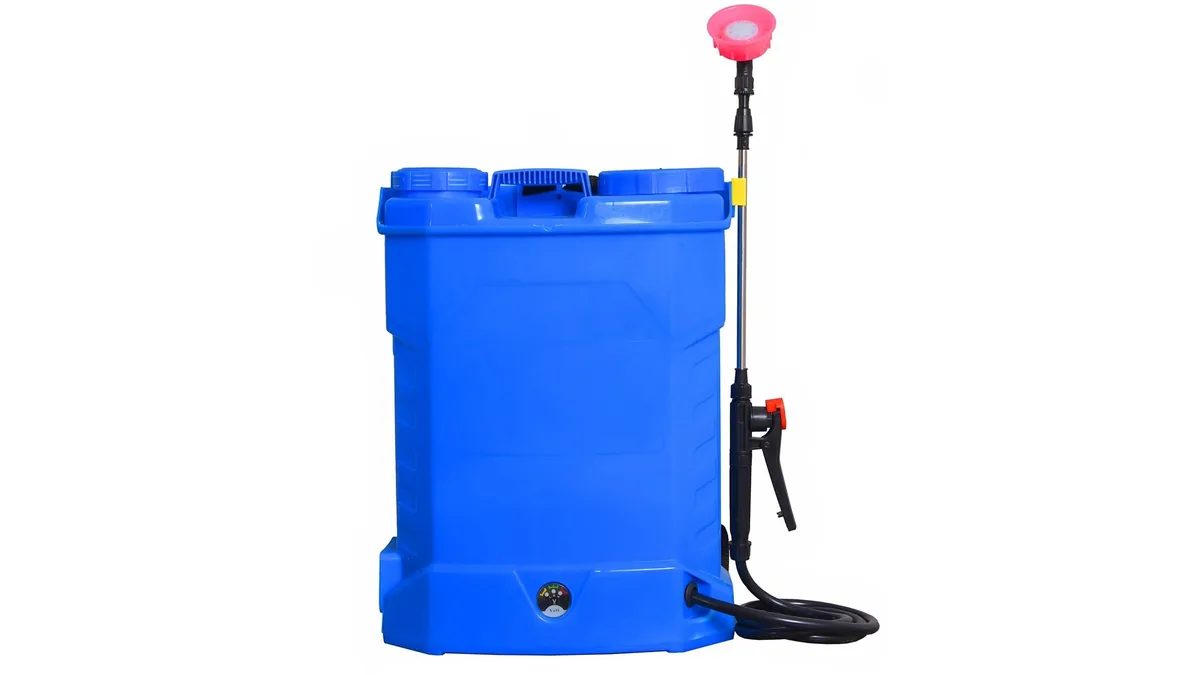
Agricultural sprayers apply liquid chemicals like pesticides, herbicides, and fungicides on crops. They break the liquid into fine droplets for even coverage. Farmers use knapsack, power, or tractor-mounted sprayers based on farm size.
Duster (Dry chemical application equipment)
Agricultural dusters are used to apply chemicals in dry powder form to crops. They use air to spread the powder evenly over plants. Farmers use them when liquid spraying is not suitable, especially in dry conditions.
Weeders (Weed control equipment)
Farm weed control equipment removes unwanted weeds that compete with crops. They can be manual tools or machine-operated equipment. They help improve crop growth by reducing competition for water and nutrients.
Key components of crop protection equipment
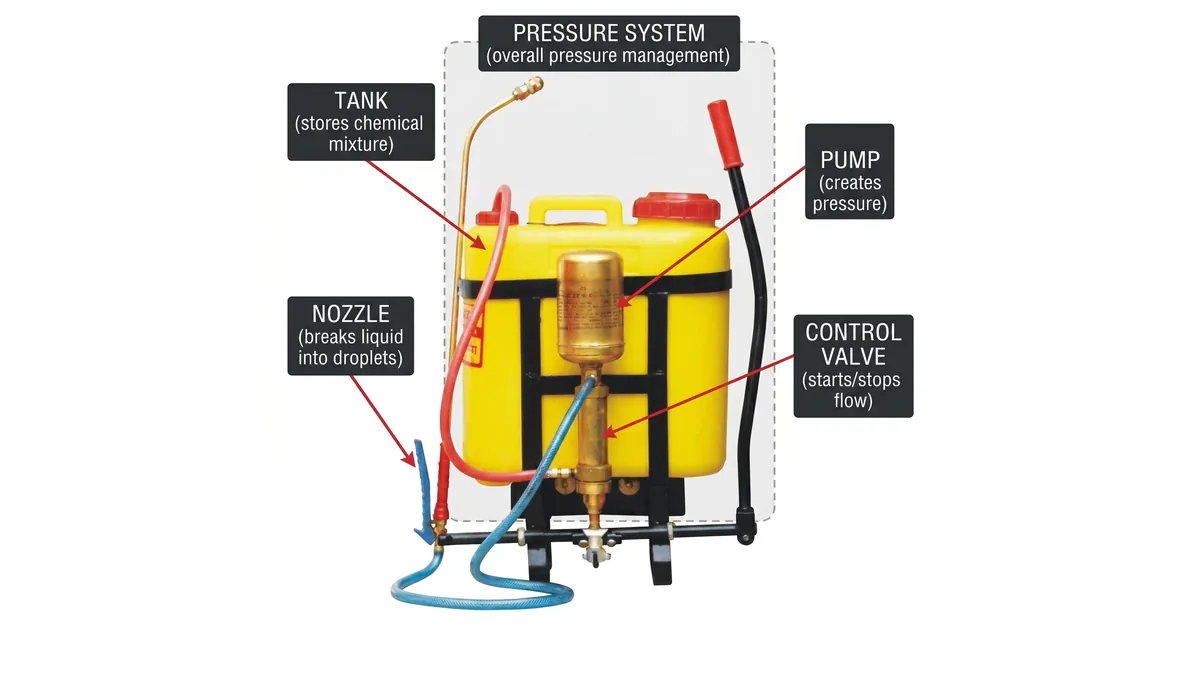
Crop spraying machines work well because each part has a clear role. Understanding the main components helps you choose the right equipment and use it correctly. Below are the key parts you should know.
Tank
The tank stores the chemical mixture before spraying. It is made from strong materials that do not react with chemicals. A good tank keeps the solution safe and easy to carry.
Pump
The pump creates pressure to move the liquid from the tank. It pushes the chemical through the system for spraying. A strong pump ensures steady and efficient application.
Nozzle
The nozzle controls how the liquid comes out of the sprayer. It breaks the liquid into small droplets for even coverage. Choosing the right nozzle helps avoid waste and improves results.
Pressure system
The pressure system controls the force of the spray. It keeps the flow steady and prevents damage to the equipment. Proper pressure ensures uniform spraying across the crops.
Control valves
Control valves start or stop the flow of the chemical. They help the operator manage the spray easily. Good valves improve accuracy and reduce chemical loss.
Shop with us today for high-quality pesticide application equipment and improve your farm productivity with trusted solutions.
Best practices for using crop protection equipment
Using modern farming equipment the right way helps farmers protect crops safely and effectively. You need to follow simple steps to avoid waste, reduce risks, and get better results. Below are key practices you should follow for good performance and safety.
Proper calibration
You should always calibrate your equipment before use to apply the right amount of chemicals. This helps you avoid under-spraying or over-spraying your crops. Check nozzles and pressure regularly to keep the spray even and accurate.
Correct timing (morning/evening)
You should spray crops early in the morning or late in the evening. This reduces chemical loss and improves absorption by plants. Avoid spraying during the hottest hours of the day.
Weather considerations
You should check the weather before spraying. Do not spray when it is windy or about to rain because chemicals can drift or wash away. Calm and dry conditions help the spray reach the target crops properly.
Maintenance tips
You should maintain your crop protection machine to keep it safe and effective. Proper care helps the machine last longer and work better. Follow these simple tips:
Clean the equipment after every use to remove chemical residue.
Check for leaks in hoses, tanks, and connections.
Replace worn or damaged nozzles to ensure even spraying.
Inspect filters and remove any dirt or blockages.
Store the equipment in a dry and safe place after use.
Get in touch with Agricom today for professional maintenance services to keep your crop protection equipment in top condition and ensure long-lasting performance.
How to choose the right crop protection equipment
Choosing the right agricultural protection equipment helps farmers work faster, save money, and protect crops well. You need to match the equipment with your farm needs, crop type, and how often you will use it. Below are the key factors to guide your decision.
Farm size
Farm size determines the type of equipment you need. Small farms use simple tools like a knapsack sprayer because they are easy to carry and affordable. Large farms need tractor-mounted sprayers or boom sprayers to cover big areas quickly and save time.
Type of crops
Different crops need different spraying methods. Tall crops or trees need equipment that can spray higher and deeper into leaves. Crops like vegetables need even and gentle spraying to avoid damage and ensure full coverage.
Budget
Your budget affects the equipment you can buy. Low-cost tools work well for small-scale farming but may take more time. High-cost machines are faster and more efficient, but you should only choose them if they match your farm size and needs.
Frequency of use
How often you spray crops is important when choosing equipment. If you spray often, choose strong and durable equipment that can handle regular use. If you spray less often, simple and low-maintenance equipment is enough.
Safety measures when using crop protection equipment
Safety measures help protect farmers, crops, and the environment when using crop protection equipment. You must follow simple rules to avoid health risks and ensure effective spraying. The key areas below explain how to stay safe during use.
Protective gear (gloves, masks, suits)
Farmers should wear the right protective gear before handling chemicals. Use gloves, masks, goggles, and overalls to protect the skin, eyes, and lungs. Proper gear reduces direct contact with harmful chemicals and keeps you safe while spraying.
Safe handling of chemicals
Always read and follow the product label before mixing or spraying chemicals. Mix chemicals in the right amount and avoid spilling or inhaling them. Do not eat, drink, or smoke during application to prevent contamination.
Equipment cleaning
Proper cleaning keeps the equipment safe and effective for future use.
Rinse the sprayer well after every use to remove chemical residue.
Clean nozzles and filters to avoid blockage and uneven spraying.
Dispose of rinse water safely away from rivers or water sources.
Store clean equipment in a safe and dry place.
Benefits of using modern crop protection equipment
Modern crop protection equipment helps farmers protect crops more quickly, safely, and efficiently. It improves how chemicals are applied and reduces losses in the field. Below are the key benefits explained clearly.
Better crop yield
Modern equipment applies chemicals at the right time and in the right amount. This helps control pests and diseases effectively. As a result, crops grow healthy and farmers harvest more.
Reduced chemical wastage
Advanced machines target only the affected areas instead of spraying everywhere. This reduces the amount of chemicals used on the farm. It also lowers costs and protects the environment.
Time and labor saving
Machines like boom sprayers and drones cover large areas quickly. Farmers spend less time spraying and need fewer workers. This makes farm work easier and more efficient.
Uniform application
Modern equipment spreads chemicals evenly across the field. Every crop receives the same level of protection. This improves crop quality and reduces uneven growth.
Improved safety for farmers
Modern tools reduce direct contact with chemicals during spraying. Some machines allow remote or automated operation. This helps protect farmers from health risks.
Better cost efficiency
Using the right amount of chemicals and saving time reduces overall farming costs. Farmers avoid waste and increase productivity. This leads to better profits in the long run.
Common mistakes to avoid
Using crop protection equipment the wrong way can waste chemicals, damage crops, and harm your health. Many farmers make simple mistakes that reduce results without knowing it. When you understand these common errors, you improve safety and get better yields. Below are key mistakes you should avoid.
Over-spraying
Over-spraying wastes chemicals and increases your costs without improving results. It can also burn crops and harm the soil. Always measure the right amount and spray evenly across the field.
Using wrong nozzles
Using the wrong nozzle gives poor coverage and reduces effectiveness. It can cause drift or uneven spraying on crops. Always choose the correct nozzle type for the specific chemical and crop.
Poor maintenance
Poor maintenance leads to blocked nozzles, leaks, and uneven spraying. Dirty equipment can also mix old and new chemicals, which can damage crops. Clean and check your equipment after every use.
Ignoring weather conditions
Ignoring weather conditions reduces the effectiveness of spraying. Wind can carry chemicals away, while rain can wash them off. Always spray during calm, cool hours for the best results.
Incorrect mixing ratios
Incorrect mixing ratios make chemicals either too weak or too strong. Weak mixtures fail to control pests, while strong ones can damage crops. Always follow the label instructions when mixing.
Not wearing protective gear
Not wearing protective gear exposes you to harmful chemicals. This can cause skin problems or serious health issues. Always wear gloves, masks, and protective clothing when spraying.
Why choose Agricom for crop protection equipment
Choosing the right supplier helps you protect your crops better and avoid losses. Agricom offers reliable solutions, expert support, and modern equipment that farmers can trust for daily use. Below are reasons to choose Agricom:
We provide high-quality and durable crop protection equipment.
We offer modern tools for accurate and efficient spraying.
We give expert advice on proper use and safety.
We offer after-sales support and maintenance guidance.
We provide a wide range of equipment for different farming needs.
FAQs about crop protection equipments
What are the examples of crop protection?
Crop protection involves using resistant crop varieties, applying treatments like fungicides when necessary, and maintaining good field hygiene to prevent pests and diseases.
What is crop protection machinery?
Crop protection machinery is equipment used to apply pesticides, insecticides, and herbicides to the crops to protect them from plant diseases, pests, and insects.
What are the protective equipment in agriculture?
Protective equipment in agriculture includes gloves, masks, goggles, and overalls to protect the skin, eyes, and lungs.
What is a crop protection product?
A crop protection product is a legally approved chemical, such as a pesticide, used to safeguard plants from pests, diseases, and weeds and sometimes to help control plant growth.
What are the 3 C's of pest control?
The 3 C's of pest control are contain, clean up, and control.
Conclusion
Crop protection equipment helps farmers in Tanzania control pests and protect crops for better yields. It makes spraying more accurate, saves time, and reduces chemical waste. Good equipment also improves crop quality and increases farm income. At Agricom, we provide reliable solutions for efficient and sustainable farming. Choose Agricom today and get the right equipment to improve your farm results.
Contact us today for quality crop protection equipment and expert guidance to improve your farm productivity.
Phone: +25569 999 7998
Email: info@agricom.co.tz
Location: Plot 2319, Nyerere Road, Kamata, Opposite Mikumi Mall, Dar es Salaam, Tanzania