
Landscaping Equipment in Tanzania: Types, Uses & How to Choose
Yaani Media
Explore landscaping equipment in Tanzania, including lawn mowers, brush cutters, trimmers, chainsaws and garden tools. Learn their uses, price factors and how to choose.
Landscaping Equipment in Tanzania: Types, Uses & How to Choose
Landscaping equipment helps maintain lawns, gardens, compounds and larger outdoor areas by matching the right machine or tool to the work. Lawn mowers, brush cutters, trimmers, chainsaws and hand tools serve different purposes, so the right choice depends on the vegetation, site size, terrain and frequency of maintenance.
Choosing landscaping equipment in Tanzania should start with the job you need to do rather than the machine name or price alone. A neat lawn, an overgrown boundary, a hedge and a site with small branches all require different equipment.
Browse Agricom landscaping equipment and use our product support team to confirm the right machine, current availability and specifications for your site.
What is landscaping equipment?
Landscaping equipment refers to powered machines and hand tools used to cut grass, clear vegetation, trim edges and hedges, manage selected tree work, clean outdoor areas and maintain gardens or grounds.
The category overlaps with garden tools and grounds-maintenance equipment, but landscaping equipment usually focuses on the machines and tools needed to maintain a site efficiently. The correct equipment depends on the task: a mower works well on maintained grass, while taller or heavier vegetation may require a brush cutter.
Main types of landscaping equipment and what they are used for
The most useful way to compare landscaping machines is by the work they are designed to perform.
Lawn mowers for regular grass cutting
Lawn mowers are used to keep established grassed areas at a consistent height. They are suited to home compounds, institutions, hotels, offices, estates and other properties where lawns are cut regularly.
Before choosing a mower, consider the lawn size, terrain, obstacles, desired cutting width and how often the area is maintained. A machine that suits a small level lawn may not be the right choice for a large property or uneven ground.
Brush cutters for tall grass and heavier vegetation
Brush cutters are designed for vegetation that is too tall, thick or rough for normal lawn mowing. They can be useful around boundaries, slopes, vacant sections and other areas where weeds or heavier grass need clearing.
The cutting attachment, machine power and site conditions matter. Dense vegetation may need a different blade or machine specification from light trimming work.
Grass trimmers for edges and difficult spaces
Grass trimmers are useful for finishing work around paths, walls, trees, fences and narrow spaces that a lawn mower cannot reach easily. They complement a mower rather than replacing it on larger maintained lawns.
Hedge trimmers for shrubs and hedges
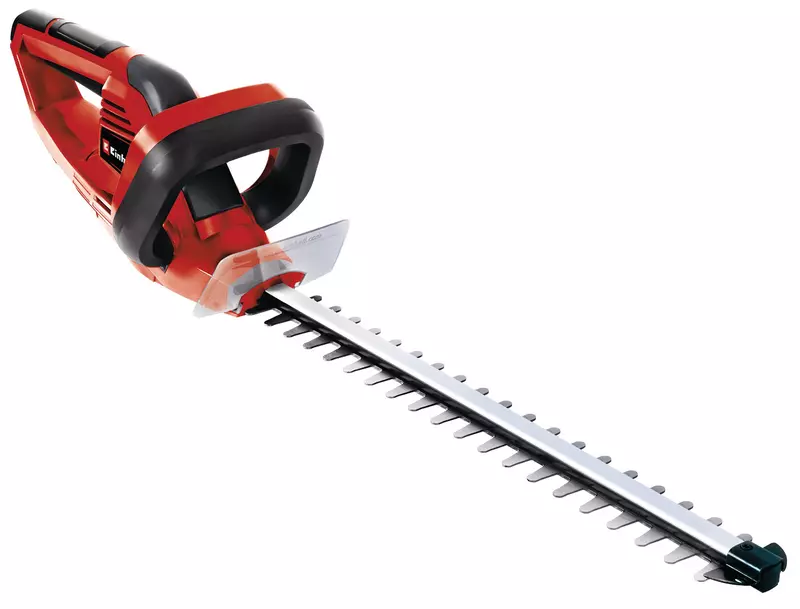
Hedge trimmers are used to shape and maintain hedges and shrubs. The correct option depends on hedge height, branch thickness, reach and how frequently the plants are trimmed.
Chainsaws for selected tree-maintenance work
Chainsaws can be used for selected branch, timber and tree-maintenance work where the operator has the correct equipment, protective gear and training. They are not a substitute for professional tree work where height, large limbs or site hazards require specialist handling.
Leaf blowers and garden hand tools
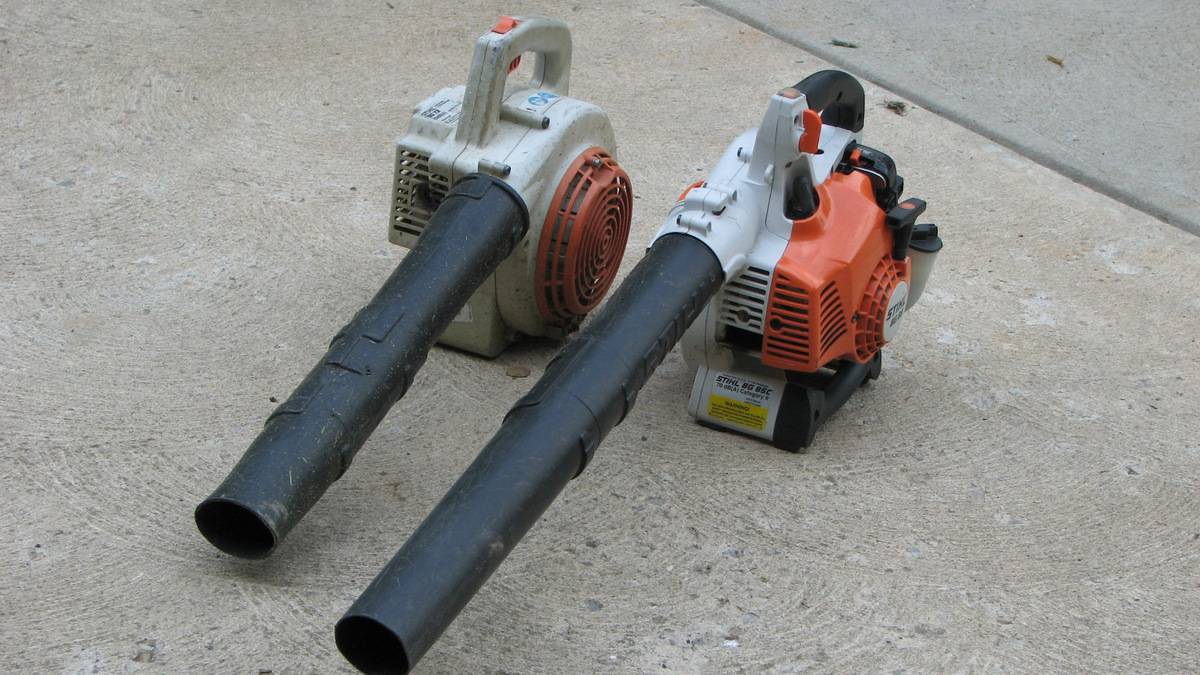
Leaf blowers help clear light leaves, grass clippings and debris from lawns, paths and outdoor surfaces. Hand tools such as rakes, pruning tools, hoes, forks, shovels and wheelbarrows support smaller jobs, cleanup and detailed maintenance where a powered machine is unnecessary.
Landscaping equipment vs garden tools
The terms are often used together, but they do not always describe the same level of work. Garden tools can include simple hand tools for planting, pruning and soil work, while landscaping equipment also includes powered machines used for larger or more frequent maintenance tasks.
A home garden may rely mainly on hand tools and a small mower or trimmer. A hotel, institution, estate or professional landscaping operation may need several machines because the areas are larger and the maintenance cycle is more demanding.
Which landscaping equipment do you need for the job?
Start with the condition of the site. The same property can require different equipment for the lawn, boundary, hedges and tree areas.
Maintained lawns: Use a lawn mower for the main grass area and a grass trimmer for edges and spaces around obstacles.
Tall grass and weeds: A brush cutter is usually more suitable than a standard mower where vegetation is higher or denser.
Hedges and shrubs: Use a hedge trimmer matched to the plant size, reach and branch thickness.
Branches and selected tree work: Use the appropriate pruning tool or chainsaw only where the work, operator skill and safety conditions allow it.
Leaves and light debris: A blower, rake or other cleanup tool can help maintain paths, lawns and working areas.
Mixed commercial grounds: Large properties often need a combination of mowing, trimming, clearing and cleanup equipment rather than one machine.
How to choose landscaping equipment in Tanzania
Before buying landscaping equipment, match the machine to the actual site and workload. Buying only on price can leave you with equipment that is too small, too difficult to use or more powerful than the job requires.
Property size: A small residential lawn has different requirements from a school, hotel, estate, institution or commercial property.
Vegetation: Short lawn grass, tall weeds, hedges, shrubs and woody vegetation need different cutting systems.
Terrain and access: Slopes, uneven surfaces, narrow spaces, walls, trees and other obstacles affect machine size and manoeuvrability.
Frequency of use: Equipment used regularly may justify more durable construction, easier servicing and readily available consumables.
Power source: Compare petrol, electric and battery-powered equipment according to runtime, mobility, charging or power access and the workload.
Operator comfort and safety: Weight, vibration, controls, protective equipment and operator training matter, particularly for powered cutting machines.
Maintenance and spare parts: Check service requirements, replacement parts and technical support before purchasing, not only after a breakdown.
Agricom's technical support and spare-parts section can help you consider the support side of the buying decision.
Petrol, electric or battery landscaping equipment?
The power source affects mobility, runtime, noise, routine maintenance and where a machine can be used.
Petrol-powered equipment: Can suit mobile or heavier work where long extension cables or charging access would be impractical. It also requires fuel, engine maintenance and appropriate storage.
Electric equipment: Can suit properties with reliable power access and work close to buildings, but the cable and available power supply may limit movement.
Battery-powered equipment: Can offer cordless operation and lower routine engine maintenance, but runtime and charging time need to match the workload.
There is no single best power source for every landscaping job. Compare the site, expected runtime, portability and after-sales requirements before choosing.
Landscaping equipment for homes, institutions and commercial properties
Equipment needs change with the way a property is used and how much outdoor space must be maintained.
Home gardens and compounds: Usually need a lawn mower or trimmer plus basic hand tools, depending on the lawn and vegetation.
Schools and institutions: Larger grounds can require mowing, brush cutting and trimming equipment that can handle repeated use.
Hotels, estates and commercial properties: Appearance and maintenance frequency can justify a combination of mowing, hedge, trimming and cleanup machines.
Professional landscapers: May need several machine types because client sites differ in size, vegetation and terrain.
Overgrown or newly cleared sites: Usually need vegetation-clearing equipment before finer lawn and garden maintenance can begin.
What affects landscaping equipment prices in Tanzania?
Landscaping equipment prices vary because the category includes everything from hand tools to powered cutting machines. The model, brand, engine or motor size, battery system, cutting width, included accessories, build quality and current availability can all affect the quotation.
The purchase price is only part of the cost. Also consider fuel or electricity, blades or cutting line, batteries where applicable, routine servicing, protective equipment and replacement parts.
For a current quotation and product availability, contact Agricom with the type of work, site size and equipment you are considering.
Why after-sales support matters for landscaping machines
Powered landscaping equipment contains consumable and service parts that wear with use. Checking support before purchase can reduce the difficulty of finding the correct part or technical help later.
Ask about service requirements, availability of blades, trimmer line, filters, batteries or other model-specific parts and whether the machine can be supported locally.
Where to buy landscaping equipment in Tanzania
Agricom lists landscaping as part of its current equipment and solution offering, including lawn care, tree and shrub care and irrigation-related landscaping support.
Start by browsing the Agricom landscaping equipment search. If the exact machine or specification you need is not displayed online, contact the team to confirm current stock, suitable alternatives, quotation and support.
For broader machinery comparisons, see Agricultural Machinery in Tanzania: Types, Uses and Buying Guide. For clearing and site preparation before landscaping, use our land preparation equipment guide.
FAQs about landscaping equipment
What equipment is commonly used for landscaping?
Common landscaping equipment includes lawn mowers, brush cutters, grass trimmers, hedge trimmers, chainsaws, leaf blowers and hand tools. The right mix depends on the site and work required.
What is the difference between a lawn mower and a brush cutter?
A lawn mower is mainly for maintaining established grass at a consistent height. A brush cutter is better suited to taller, thicker or rougher vegetation.
What machine is used to cut tall grass?
A brush cutter is commonly used for tall grass, weeds and vegetation that may be unsuitable for a normal lawn mower.
What is the best equipment for lawn edges?
A grass trimmer is useful around paths, walls, trees, fences and other areas that a lawn mower cannot reach easily.
Should I choose petrol, electric or battery landscaping equipment?
Choose according to the workload, site access, required runtime, mobility, power or charging access and maintenance requirements. No single power source is best for every job.
How much does landscaping equipment cost in Tanzania?
Prices depend on the machine type, brand, model, power system, capacity, features, accessories and availability. Request a current quotation for the specific equipment you need.
Where can I buy landscaping equipment in Tanzania?
Agricom provides landscaping-related products and support in Tanzania. Browse the landscaping product search, then contact Agricom to confirm current availability, specifications and quotation.
What should I check before buying landscaping equipment?
Check the property size, vegetation, terrain, frequency of use, power source, operator requirements, maintenance needs, spare-parts availability and after-sales support.
Conclusion
Choosing landscaping equipment in Tanzania starts with understanding the work, the vegetation and the site. Lawn mowers, brush cutters, grass and hedge trimmers, chainsaws and garden tools each solve different maintenance problems, so the right equipment should match the job rather than price alone.
Browse Agricom landscaping equipment or contact Agricom for product guidance, current availability, quotation and support for your outdoor-maintenance needs.