
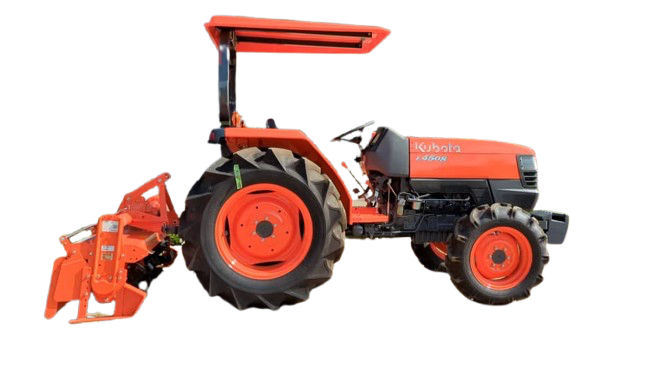
New vs. Used Tractors: Which Is Better for Your Farm?
Yaani Media
Compare new vs used tractors in Tanzania. Learn how price, maintenance, horsepower and total ownership costs affect the right choice for your farm.
New vs. Used Tractors: Which Is Better for Your Farm?
In Tanzania, choosing between new and used tractors is crucial for farmers. As a major investment, it's important to choose the right tractor for your needs, depending on your budget, workload, farm size, required horsepower, maintenance needs, and technical support.
Comparing new vs. used tractors is key to sustainable agriculture for farmers in the region. Although a new tractor offers the advantages of a new machine, a used but well-maintained tractor, depending on the specifications, can offer good value at a lower initial cost. The best choice is the machine tailored to your farming needs that offers the ideal combination of cost, reliability, and total cost of ownership (TCO).
Visit Agricom's online shop to find tractor offers that suit your budget.
Differences between new vs. used tractors
A new tractor is a machine supplied with up-to-date features and access to manufacturer/service or dealer support, depending on the vendor. It is suitable for farmers seeking long-term ownership, newer technology, and predictable early operation. On the other hand, a used tractor has already been operated. Depending on the model, conditions can vary widely and are highly influenced by age, operating hours, maintenance, previous workload, and storage conditions. Always inspect any used tractor before buying in Tanzania.
Factor | New Tractor | Used Tractor |
Purchase price | Usually higher | Usually lower |
Depreciation | Higher initially | Usually slower |
Condition | New | Varies |
Maintenance history | New service history | Must be checked |
Warranty | Depends on the supplier | Depends on the supplier |
Technology | Usually newer | Depends on model/year |
Initial repair risk | Generally lower | Depends on the condition |
Parts availability | Check model support | Check model support |
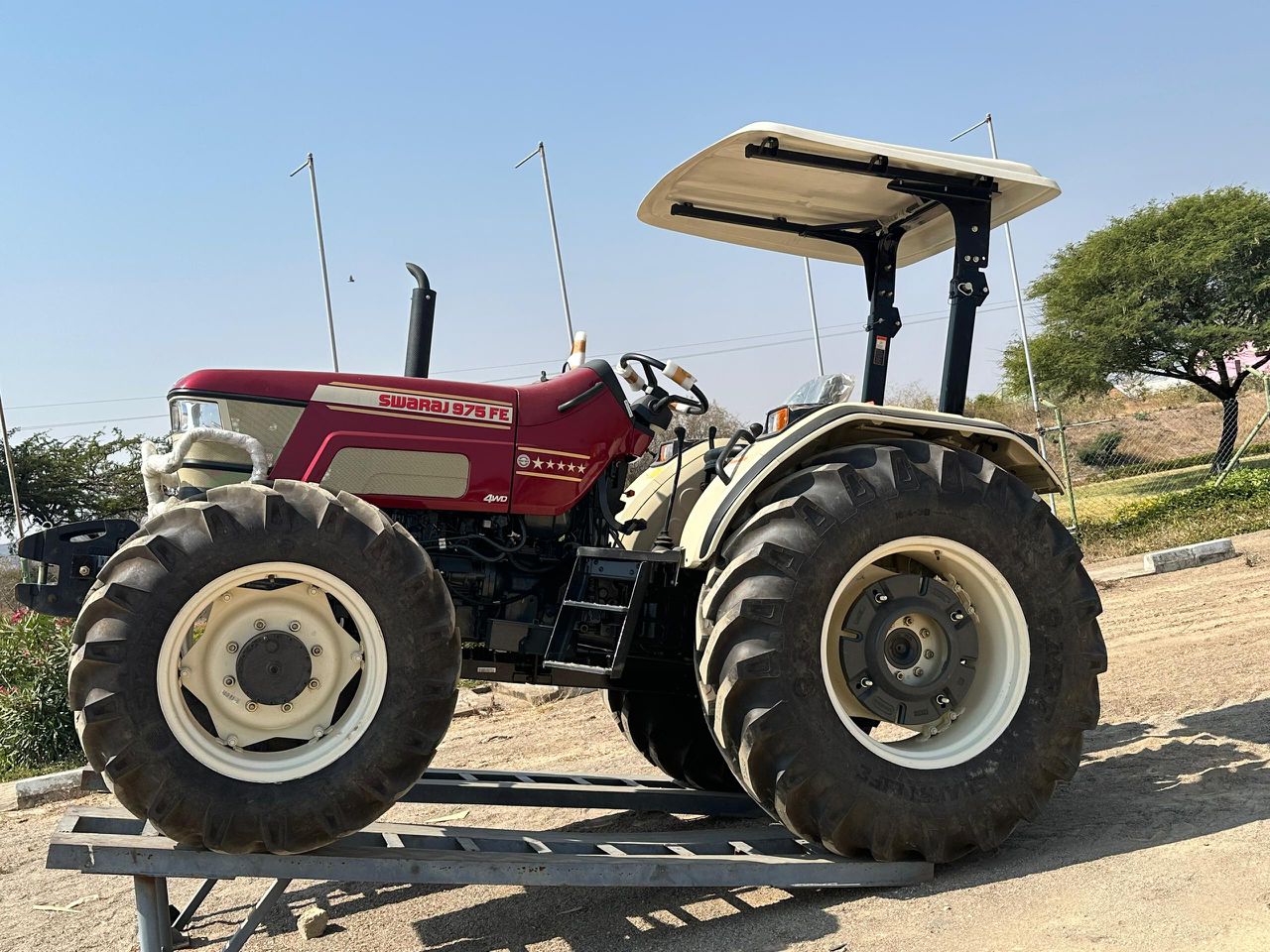
New vs used tractors: Which costs more?
When considering prices, do not focus only on the amount paid when purchasing. The main difference is that used tractors have a lower initial cost, whereas new tractors require a higher upfront investment. It is also essential to consider:
Depreciation. The initial years of a new tractor's life are when it depreciates the most. Some of the initial depreciation has occurred in a used tractor, depending on its age, condition, model, and market demand.
Maintenance and repair costs. A used tractor can be significantly more demanding if certain parts are worn. In contrast, a new tractor can reduce the likelihood of age-related repairs in the first years of ownership.
Fuel costs. The volume of fuel a tractor consumes depends on its design, engine size, workload, implements, operating practices, and terrain. You should not assume that all new tractors will consume less fuel than every used tractor.
To calculate the total cost of ownership, consider the purchase price, financing costs, fuel, routine servicing, repairs, spare parts, downtime, depreciation, and eventual resale value.
Benefits of buying a new tractor
1. Less likelihood of needing immediate/age-related repairs.
2. You can enjoy modern features and newer specifications, including modern controls, hydraulic systems, and other technologies for specified models (where available).
3. Best if you want to keep the machine for many years. Ask for Agricom’s technical support and the manufacturer’s warranty information for additional value.
4. For high-hour users and commercial farmers, new tractors are best, especially during busy planting, cultivation, and harvesting periods.
Find out more about Agricom for other crucial information for commercial farmers and high-hour users, especially during planting, cultivation, and harvest.
Benefits of buying a used tractor
The major benefit of a used tractor is the reduced initial investment. The used market may also offer the ability to get a higher-horsepower, or higher-performance, machine for the same amount of money that may only be spent on a lower-horsepower, newer tractor. A used tractor in good condition can be a sound investment. Always request the condition and service records when buying a used tractor.
Risks of buying a used tractor
When purchasing used machinery, you need to take the necessary precautions. An unknown service history is a major concern. Ask for the maintenance records to determine whether routine maintenance and repairs were performed properly. Here are some of the major risks of buying used tractors:
Mechanical wear – The engine, transmission, or hydraulic system may be having problems that are not seen.
Expensive repair costs – If parts are damaged or worn, repair costs can be high and can offset initial savings.
Spare parts are limited – Old or unusual models may require difficult-to-come-by replacement parts.
Old technology – Some used tractors may not have the latest in efficiency, automation and precision farming technology.
Safety issues – Older machines may not be equipped with the most current operator safety equipment.
Documentation problems – Lack or misuse of ownership and registration paperwork can cause legal issues.
Unexpected breakdowns – If maintained poorly, downtime rises, particularly when it comes time for important farming seasons.
What to check before buying a used tractor
If you are planning to buy a used tractor, use the following checklist:
1. Engine: Check starting, smoke, unusual noises, oil condition, and signs of leaks.
2. Transmission and clutch: Check if the gear is engaging, the operation of the clutch, and listen for unusual sounds.
3. Hydraulic system: Inspect hydraulic function, lifting ability, and leaks.
4. PTO: Check to ensure that the PTO is functioning properly and appropriate for the implements you will be using.
5. Tyres and chassis: Inspect tyre wear for excessive use, damage, or cracks to tyres and chassis.
6. Service records: Ask for maintenance and ownership records where available.
7. Test operation: Where possible, check and test the tractor in a realistic operating environment before purchase.
How to choose between a new and used tractor
1. Assess your farm's workload (i.e., soil conditions, terrain, farm size, crops, implements, annual operating hours, and transport requirements).
2. Determine your overall budget. Don't just consider the purchase price (consider fuel, spare parts, servicing, repairs, and other ownership costs).
3. Ensure horsepower matches the work you intend to perform. The tractor should be properly powered for your workload, implements, terrain, and crop.
4. The tractor should have suitable power for your implements, crops, terrain, and workload.
5. Consider spare parts and technical support. A tractor that is difficult to service or source parts for can become costly when repairs are needed.
New vs Used Tractor Price in Tanzania
The price of a new tractor in Tanzania varies based on factors such as brand, specifications, implements, horsepower, taxes, configuration, logistics, and supplier terms. Visit us or request a current quotation. The factors that affect the price of used tractors in Tanzania are the tractor's age, model, horsepower, operating hours, condition, service history, tyre condition, attachments, and market demand for the model.
The lowest-priced tractor isn't always the right one. Even when prices are low, they can be more than offset by many repairs, high component costs, and lost time.
A new or a used tractor- which is better?
The answer to which is better between a used or new tractor depends on your circumstances.
If you... | Consider |
Want the latest specifications | New |
Have a higher upfront budget | New |
Want a lower initial purchase cost | Used |
Are comfortable inspecting and maintaining machinery | Used may suit |
Need predictable early ownership | New may suit |
Need a tractor for intensive commercial work | Compare total ownership cost carefully |
Want a specific older model | Used may provide more options |
Need dealer and service support | Compare supplier support |
Looking to buy a tractor? Call Agricom for your farming needs to get a quote for an appropriate tractor, or email info@agricom.co.tz
FAQs about new vs used tractors
Is it better to buy a new or used tractor?
Neither option is always better. The decision should be based on your budget, workload, projected hours of operation, maintenance capability, and ownership plans.
Are used tractors cheaper than new tractors?
The upfront purchase price of a used tractor may be lower, but due to repairs, servicing, parts, and downtime, the total cost of ownership can change.
What is the average lifespan of a tractor?
The lifespan of a tractor depends on the model, maintenance, operating conditions, workload, and use. It should not be assumed that all tractors have a fixed lifespan.
What should I check when buying a used tractor?
Inspect the engine, transmission, clutch, hydraulics, PTO, tyres, chassis, electrical systems, and service history. Before buying, test the tractor where possible.
Conclusion
The decision to buy a new or used tractor in Tanzania is not just based on the amount of money you will spend. Farm size, workload, horsepower requirements, maintenance costs, fuel consumption, availability of spare parts, expected hours of operation, and value over the tractor's life should be considered. If you are still unsure whether a new or used tractor will suit your farm, contact Agricom for assistance in determining which tractor is best suited to your farming needs and budget.