
Seeding and planting equipment in Tanzania| Agricom
Yaani Media
Learn how to select, use, and maintain the best seeding and planting machinery. Explore expert tips from Agricom to improve planting accuracy and efficiency.
Seeding and planting equipment in Tanzania| Agricom
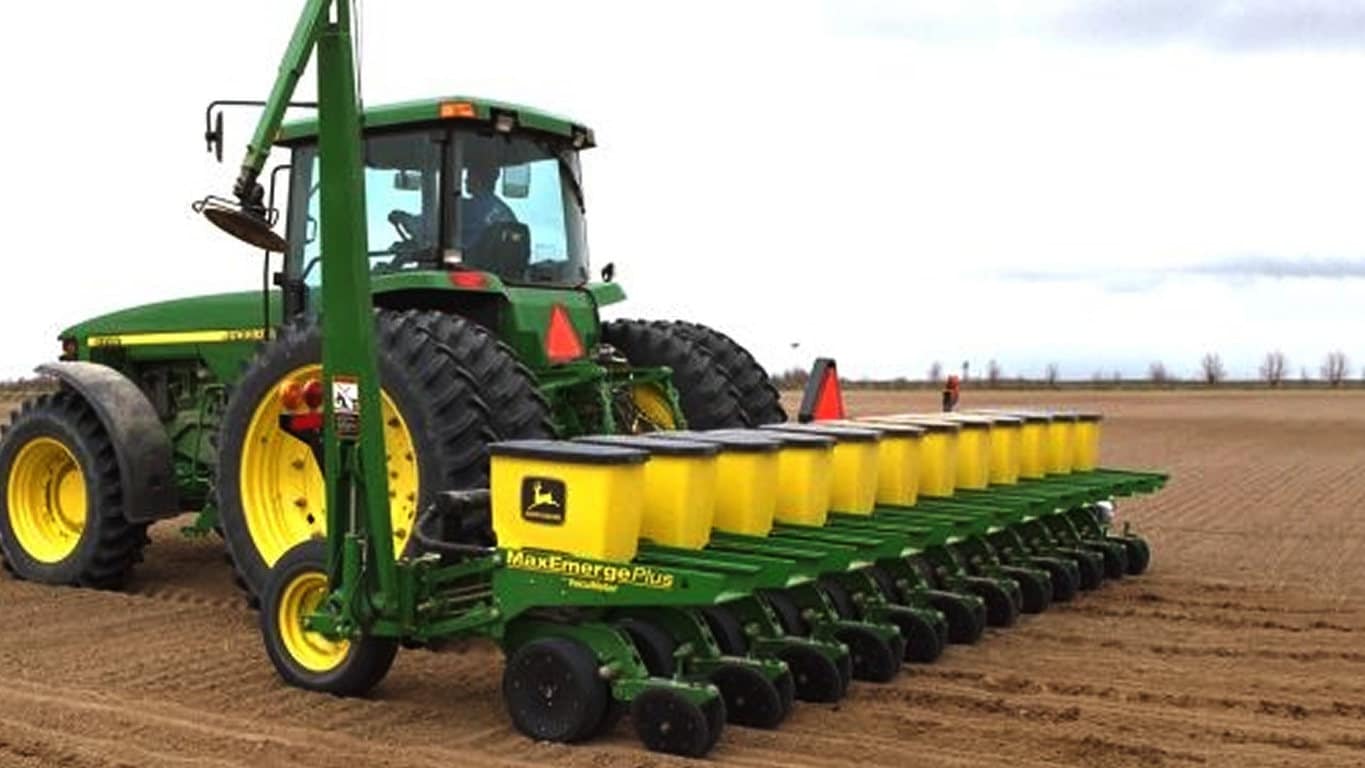
In farming, seeding and planting equipment are used to place seeds in the soil at the correct depth and spacing. It helps farmers plant crops like maize, wheat, and beans more efficiently. This guide explains the main types, how they work, and their benefits.
Seeding and planting equipment in Tanzania improves planting accuracy and overall farm productivity. This article guides you on how to select, use, and maintain different machines. You will learn how they save time, reduce labor, and support better yields. Discover how to use these tools effectively for better results below.
What is seeding and planting equipment?
Seeding and planting equipment are machines used to place seeds in the soil at the right depth and spacing. They include tools such as seed drills, planters, and transplanters used for crops like maize, wheat, and beans. These machines improve planting accuracy and help crops grow evenly.
Types of seeding and planting equipment
Equipment used for planting seeds comes in different types designed to place seeds accurately in the soil. These machines help farmers improve planting speed, reduce labor, and increase crop yield. Below are the main types used in modern farming.
Seed drills
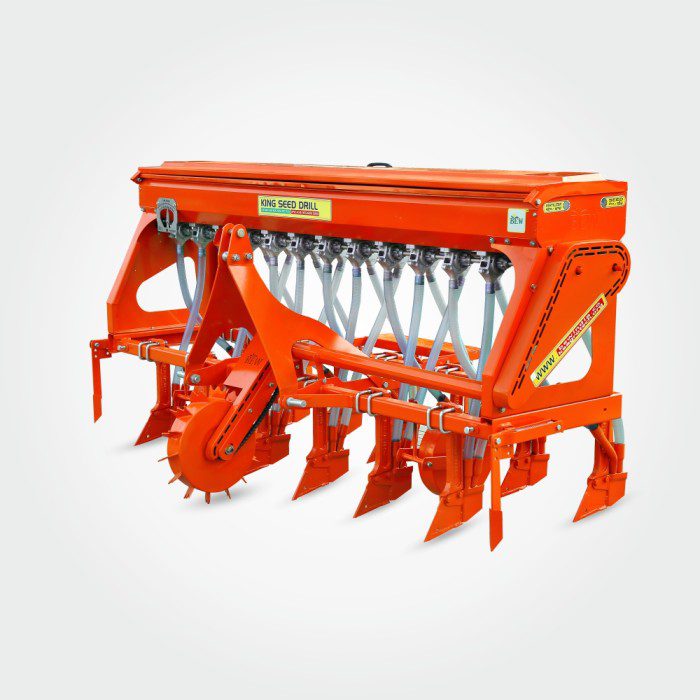
Seed drills are machines that place seeds in straight rows at a controlled depth. They also cover the seeds with soil after planting. This ensures even spacing and better germination for crops like wheat and rice.
Planters (row crop planters)
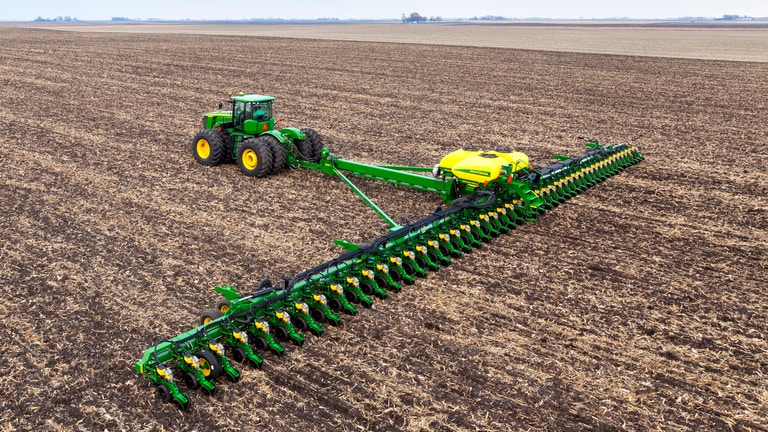
Planters are used for larger seeds like maize, beans, and soybeans. They place seeds one by one in rows at equal spacing. This helps each plant get enough space, sunlight, and nutrients for strong growth.
Air seeders and air drills
Air seeders use air pressure to move and distribute seeds evenly across the field. They are mainly used for large-scale farming where speed and accuracy are important. These machines are efficient for planting many hectares in a short time.
Seed-cum-fertilizer drills
Seed-cum-fertilizer drills are machines that plant seeds and apply fertilizer at the same time. This saves time and reduces the need for separate fertilizer application. They help improve soil nutrition and support faster crop growth.
Transplanters
Transplanters are used to move young seedlings from nurseries into the field. They are commonly used for crops like rice and vegetables. This method ensures uniform spacing and reduces transplant shock.
Manual and push-type seeders
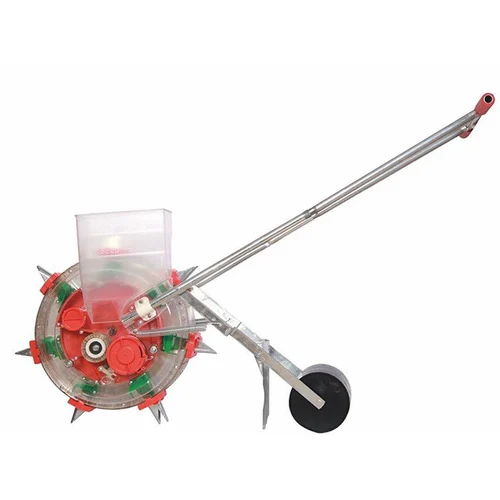
A manual seed planter is a simple tool used in small farms and gardens. Farmers push or pull them to place seeds in the soil. They are affordable, easy to use, and suitable for small-scale farming.
Visit Agricom today to get a reliable tractor seed planter and make your planting faster, easier, and more accurate for higher farm yields.
Common crops planted using these machines
Agricultural planting machines are widely used to improve planting accuracy, speed, and efficiency on farms. These machines help farmers plant different crops at the right depth and spacing for better growth. Below are some of the most common crops planted using these machines.
Maize
Maize is one of the most common crops planted using agricultural planters because it requires proper spacing for good yields. Machines help place seeds evenly in rows, which supports strong germination and healthy growth. This improves productivity and makes field management easier for farmers.
Wheat
Wheat is usually planted using seed drills that distribute seeds uniformly across the field. This ensures good soil coverage and reduces seed wastage. Proper planting helps wheat grow evenly and increases overall harvest quality.
Beans
Beans are planted using equipment that allows accurate seed placement at the correct depth. This supports fast sprouting and reduces competition between plants. It also helps farmers save time during planting.
Soybeans
Soybeans are commonly planted with precision planters that ensure even spacing in rows. This improves air circulation and nutrient uptake in the soil. As a result, farmers achieve better yields and healthier crops.
Sorghum
Sorghum is planted using seeders that distribute seeds evenly across the field. This helps the crop grow uniformly and resist harsh weather conditions. Mechanical planting also reduces labor and improves efficiency on large farms.
What to consider when choosing seeding and planting equipment for your farm
Choosing the right seeding and planting equipment helps farmers plant faster and achieve better yields. It also reduces labor costs and improves planting accuracy. Different farms need different machines based on size, soil, crops, and budget. Understanding these factors below helps you invest in equipment that gives long-term value and better returns.
Farm size considerations
Farm size determines the type and capacity of planting equipment you need. Large farms require high-capacity machines that can cover more land in less time. For small-farm planting, farmers often use simple or manual planters that are affordable, easy to handle, and suitable for limited land.
Soil type and conditions
Soil type affects how well planting equipment works in the field. Sandy, clay, or rocky soils may require different machine settings or designs to ensure proper seed placement. Good equipment should work well in different soil conditions without blocking or damaging seeds.
Crop type (maize, wheat, beans, etc.)
Different crops need different planting methods and spacing. For example, maize and soybeans require precise row planting, whereas wheat may be planted with seed drills. The right equipment ensures each crop is planted at the correct depth and spacing for good growth.
Budget and ROI
Budget plays a key role when selecting planting equipment. Farmers should choose machines that are affordable but still efficient and durable. A good return on investment (ROI) comes from equipment that reduces costs and increases crop production over time.
Benefits of using seeding and planting equipment
Seeding and planting equipment help farmers plant crops faster, more accurately, and with less effort. It improves farm productivity by making planting more efficient and reducing human error. This leads to healthier crops and better harvests for both small and large farms. The benefits include:
Saves time and labor
Crop planting machines reduce the need for manual planting work. A farmer can cover a large field in a short time compared to hand planting. This lowers labor costs and makes farm operations easier, especially during peak planting seasons.
Improves crop yield
These machines place seeds at the right depth and spacing. This helps crops grow evenly and access nutrients properly. As a result, farmers get stronger plants and higher yields at harvest time.
Reduces seed wastage
Planting equipment controls how many seeds are used in each row. This prevents over-planting and seed overlap. Farmers save money because fewer seeds are wasted during the planting process.
Ensures uniform germination
Seeds are planted at consistent depth and spacing, which supports even germination. This means crops grow at the same time and develop more uniformly. Uniform growth also makes farm management and harvesting easier.
Improves planting precision
Modern farming equipment allows farmers to place seeds exactly where they are needed. This improves crop spacing and reduces competition between plants. Better precision leads to healthier crops and more efficient land use.
Supports cost efficiency
Although the machines require an initial investment, they reduce long-term farming costs. Farmers save money on labor, seeds, and time. This makes farming more profitable over time.
Promotes sustainable farming
Seeding equipment reduces soil disturbance compared to manual methods. It helps protect soil structure and reduce erosion. This supports long-term soil health and more sustainable farming practices.
Maintenance tips for long-lasting equipment
Proper maintenance of seeding and planting machines helps improve performance, reduce breakdowns, and extend equipment lifespan. It also lowers repair costs and keeps farm work running smoothly throughout the season. These simple practices help ensure reliable and efficient farm operations. To maintain your equipment well, follow these key tips:
Cleaning after use
Cleaning equipment after every use removes soil, dust, and fertilizer residues that can cause rust and blockages. Farmers should wash and dry all parts, especially seed boxes and moving sections, to keep them in good condition. Regular cleaning helps prevent damage and keeps the machine ready for the next use.
Regular lubrication
Lubricating moving parts reduces friction and prevents early wear and tear. Farmers should regularly apply grease to joints, chains, and bearings to ensure smooth operation. This simple step improves performance and helps the equipment last longer.
Checking seed meters and discs
Seed meters and discs should be inspected regularly to ensure accurate seed placement. Worn or damaged parts should be replaced to maintain uniform planting and good germination. Proper checks help improve crop performance and reduce seed wastage.
Storage practices
Proper storage protects equipment from rain, dust, and sunlight damage. Machines should be kept in a dry, covered place after the farming season. Good storage habits help maintain equipment quality and ensure it is ready for the next planting cycle.
Why buy your seeding and planting equipment from Agricom
Agricom is a reliable agribusiness partner in Tanzania, supplying modern seeding and planting equipment designed to improve farm productivity and efficiency. Their machines are built for local farming conditions and support farmers from purchase to long-term use. Here are all the key reasons to choose Agricom:
Supplies high-quality and durable planting and seeding machines from trusted brands
Offers equipment designed for accurate seed placement and better crop yields
Provides machines suited for Tanzanian soil and farming conditions
Improves farm productivity by saving time and reducing labour costs
Ensures availability of spare parts and reliable after-sales support
Gives expert advice and support to help farmers choose the right equipment
FAQs about seeding and planting equipment
What are the tools used in planting the seed?
Common tools used in planting the seeds are rake, garden hoe, shovel and pruning shears.
What is a seeding machine called?
A seeding machine is called a seeder.
What are the 4 materials needed to grow crops?
For crops to grow well, they need sunlight, fertilizer, moisture, and heat.
What equipment is used for planting?
When planting fruits, flowers, or vegetables, you can use tools such as a garden hoe, shovel, mattock, or pickaxe to prepare the soil.
What are 5 gardening tools?
The 5 gardening tools include a garden hoe, a hand fork, a garden fork, a watering can, and pruners.
What are the 4 materials needed to grow crops?
For crops to grow well, they need sunlight, fertilizer, moisture, and heat.
Conclusion
Seeding and planting equipment are important for improving how farmers plant crops from the beginning of the season. They help place seeds at the right depth and spacing, which leads to better germination and healthier crops. With the right equipment, farmers can achieve more stable, higher yields across seasons. Agricom is focused on providing durable machines that suit local farming conditions and support long-term productivity.
Contact us today to get high-quality seeding and planting equipment and take your farm productivity to the next level.
Phone: +25569 999 7998
Email: info@agricom.co.tz
Location: Plot 2319, Nyerere Road, Kamata, Opposite Mikumi Mall, Dar es Salaam, Tanzania