
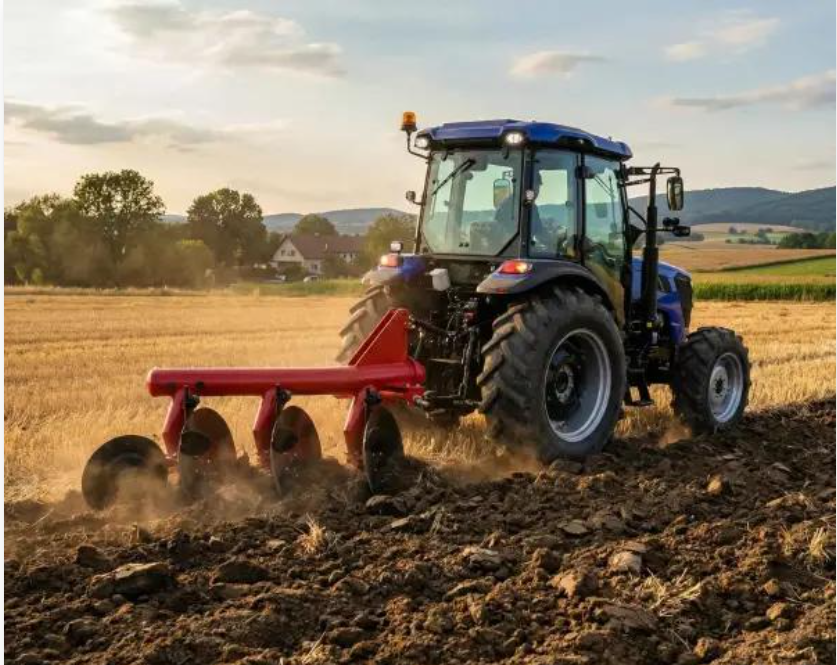
Tractor Specifications Guide: HP, PTO, Engine, Weight & More
Yaani Media
Learn how to read tractor specifications, including engine HP, PTO horsepower, hydraulics, lift capacity, transmission, weight and implement compatibility.
Tractor Specifications Guide: HP, PTO, Engine, Weight & More
Selecting the right tractor starts with knowing how to read tractor specifications. Engine horsepower, PTO power, transmission, hydraulics, lift capacity, drive type, weight and dimensions all affect whether a tractor matches your land, farm work and implements.
A tractor specifications guide gives farmers a technical overview they can use to compare tractors and determine which machine best fits their needs. While horsepower is critical, PTO, transmission, hydraulics, lifting capacity, drive type, weight, dimensions, fuel capacity and implement compatibility also matter. This guide explains how to read tractor specifications, how to match them with farm implements and how Agricom can help you choose the right tractor for your farm.
Compare current tractor models and product information in the Agricom online store.
What are tractor specifications?
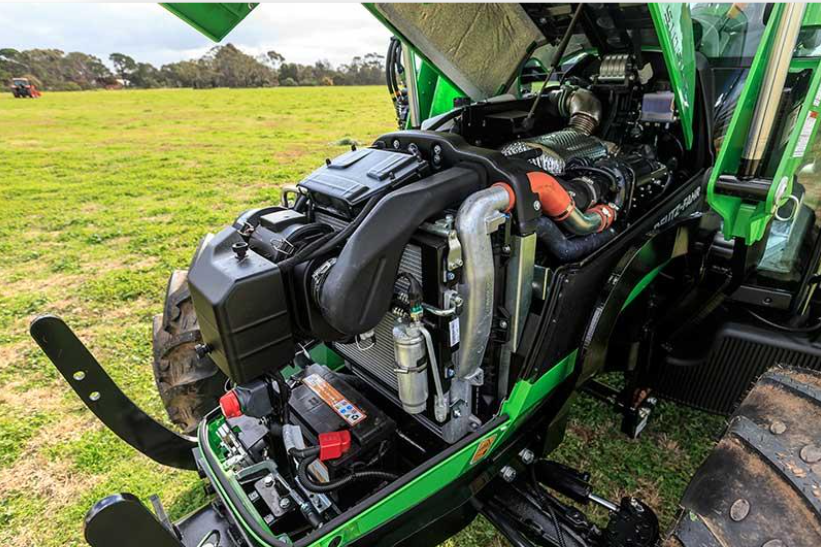
Tractor specifications include the measurements and features of the tractor’s engine, power, transmission, PTO, hydraulics, dimensions and weight, lift assembly, traction, fuel system and operator configuration. They show how the tractor is built and the kind of work it can perform. Before purchasing a machine, farmers should read the full specification sheet so they understand what the tractor can and cannot do. Specifications can vary by model, variant and market, so always confirm the manufacturer’s details for the exact tractor configuration.
Key tractor specs and what they tell you
Specification | What it tells you | Why it matters |
Engine horsepower (HP) | Rated engine power | Helps indicate the tractor’s overall power class and suitability for demanding work. |
PTO horsepower / PTO speed | Power and shaft speed available to PTO-driven implements | Use the implement manufacturer’s PTO requirement when matching mowers, tillers, balers and other PTO equipment. |
Transmission | Gear ranges and how power/speed are controlled | Affects operating speed, control and how the tractor works under different loads. |
Hydraulics | Hydraulic flow, pressure and available remotes | Determines whether hydraulic implements and loaders can operate correctly. |
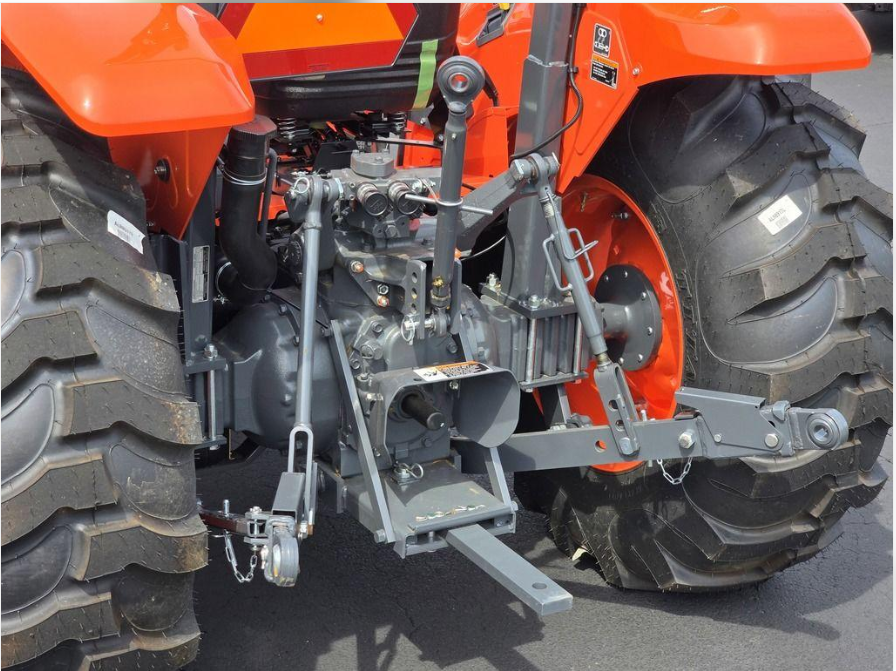
Three-point hitch / lift capacity | Hitch category and lifting ability | Shows whether mounted implements can be attached and lifted safely. |
Drive type / traction | 2WD or 4WD and traction configuration | Affects grip and performance on slopes, loose soil and demanding field conditions. |
Weight and dimensions | Operating mass, wheelbase, width, height and clearance | Affects stability, traction, transport, storage and field access. |
For a model-level example, see the Lovol TD1104 tractor specifications and buying guide.
Read Also: Swaraj 975 FE Tractor – Price, Specs, Mileage, Features & Buying Guide
How to read a tractor specification sheet
The best way to read a tractor specification sheet is to work through the key numbers and match them with the jobs the tractor needs to do. Use the following checklist when comparing tractor specs:
1. Check engine horsepower to confirm the tractor has enough power for your farm work and the demands of the implements you plan to use.
2. Inspect tractor PTO horsepower and compare it with the implement manufacturer’s recommended PTO power range.
3. Verify PTO speed and make sure the tractor provides the speed required by the implement, commonly 540 rpm or 1000 rpm where specified.
4. Review the number of gears, speed ranges and transmission type so the tractor can work at suitable field and transport speeds.
5. Check hydraulic flow and pressure to make sure the hydraulic system can operate loaders and hydraulic implements correctly.
6. Check the tractor’s three-point hitch category and lift capacity to ensure the tractor can attach, lift and carry the implements you want. Compare lift figures measured at the same point, because manufacturers may publish capacity at the lift points or a set distance behind them.
7. Check 2WD or 4WD and choose the drive system that suits your terrain, soil and traction needs.
8. Review weight and dimensions for stability, ground pressure, transport, storage space, turning room and field access.
9. Verify fuel capacity against expected working hours, workload and fuel availability.
10. Match implements to the tractor by confirming power, PTO, hydraulics, hitch category, lift capacity and tractor weight are suitable for the jobs planned.
Read Also: Power Tiller vs Tractor in Tanzania: Differences, Prices & Which One to Choose
How to match tractor specifications to farm implements
Matching tractor specifications to farm implements safely and efficiently means comparing the implement’s power, weight, PTO, hydraulic and hitch requirements with the tractor’s actual capacity rather than relying on engine size alone. For a wider view of machinery and implement types, see Agricom’s Agricultural Machinery in Tanzania guide.
Farm task | Key tractor specifications to check | Why they matter |
Ploughing | Engine HP, tractor weight, traction, hitch capacity | Provides enough pulling power and stability for soil penetration. |
Harrowing | Engine HP, traction, hitch capacity | Ensures the tractor can pull the harrow efficiently across the field. |
Rotary tilling | PTO HP, PTO speed, hydraulics | Ensures the tractor can power and control the rotary tiller correctly. |
Spraying | PTO or hydraulic requirements, hitch capacity | Supports the sprayer pump, mounting and operating requirements. |
Planting | Engine HP, hitch capacity, hydraulics | Ensures the tractor can pull, lift and operate the planter effectively. |
Fertiliser spreading | PTO requirements, hitch capacity | Ensures the spreader can be mounted and operated properly. |
Loader work | Hydraulic flow, pressure, lift capacity, front axle capacity | Provides sufficient hydraulic capacity and stability for lifting loads. |
Trailer work | Drawbar capacity, tractor weight, brakes, engine power | Supports safe and controlled towing of loaded trailers. |
Mowing | PTO HP, PTO speed, hitch capacity | Provides the correct power and connection for the mower. |
Deep tillage | Engine HP, weight, traction, 4WD where required | Provides the pulling force and traction needed to work deeper soils. |
Tractor specifications for different farm sizes
When selecting tractor specs, it is not all about farm size. Farmers also need to consider the type of work, soil and terrain, working window and the implements they will use. The table below gives a practical guide to the main specification priorities for different farm sizes in Tanzania:
Farm situation | Main tractor specification considerations |
Small farm | Compact size, manoeuvrability, fuel efficiency and compatibility with light implements. |
Medium farm | Engine HP, implement compatibility, hydraulic capacity, PTO performance and versatility. |
Large commercial farm | Field capacity, PTO power, hydraulics, transmission, fuel capacity and operating efficiency. |
Contract farming | Durability, lifting and pulling capacity, serviceability, versatility and operating costs. |
For more detail by farm scale, compare Small Farm Equipment in Tanzania with Medium Farm Equipment in Tanzania.
Why tractor specifications matter when buying in Tanzania
Farmers need to understand tractor specifications before purchasing in Tanzania so they can make a practical decision based on their farming needs. The main considerations include:
· Farm needs: Ensure engine power, size and capacity correspond to the nature and scale of the farm work.
· Implement compatibility: Make sure the tractor matches PTO, hitch, hydraulic and lifting requirements.
· Operating costs: Consider fuel capacity, fuel efficiency, maintenance, servicing and replacement parts.
· Terrain and soil: Weight, traction, ground clearance and 2WD or 4WD can affect performance in different conditions.
· After-sales support: Check spare-parts availability, technical support, servicing and dealer assistance for the exact tractor you are considering.
For the wider buying picture, see Agricom’s Tractor Price in Tanzania: What Affects the Final Quote.
Read Also: Agricultural Machinery in Tanzania: Types, Uses, and Buying Guide
How Agricom can help you choose a tractor
When deciding what tractor to purchase, it is not just about horsepower. At Agricom, we can help you compare the specifications with the work your farm needs to do. Key factors include:
· Farm size, soil type, terrain and the type of work you need the tractor to perform.
· Fuel capacity, traction, hydraulics, transmission, PTO and engine power.
· Whether the tractor can handle your ploughs, planters, harrows, mowers, trailers and other implements.
· Fuel, service, spare parts and future operating costs.
· Available tractor models and configurations that fit your application and budget.
Not sure which tractor specifications match your farm? Contact Agricom with your crop, farm workload and required implements to get guidance on a suitable tractor.
FAQs about tractor specifications guide
What are the key specifications of a tractor?
Engine horsepower, PTO power and speed, transmission, hydraulics, lifting capacity, hitch category, drive system, weight, dimensions, fuel capacity and implement compatibility are among the key tractor specifications to compare.
What is the best size tractor for a 20-acre farm?
Farm size alone does not determine the right tractor. The crop, soil, terrain, working window and heaviest implement all affect the power, traction, PTO, hydraulics and lift capacity you need.
What is the difference between engine horsepower and PTO horsepower?
Engine horsepower describes power produced by the engine, while PTO horsepower is the usable power available at the PTO shaft for PTO-driven implements. When choosing a mower, tiller, baler or similar implement, compare the implement’s PTO requirement with the tractor’s published PTO rating.
How is tractor HP calculated?
For rotating mechanical power, when torque is measured in pound-feet, horsepower can be calculated as Torque × RPM ÷ 5,252. For a tractor purchase, use the manufacturer’s published engine and PTO ratings rather than estimating them from a single formula.
What does 540 or 1000 PTO mean?
These numbers refer to standard PTO shaft speeds in revolutions per minute. The tractor and implement must use compatible PTO speeds and driveline requirements, so confirm the implement manual before operation.
Conclusion
A tractor specifications guide helps farmers in Tanzania compare tractors using more than horsepower alone. Engine HP, PTO, hydraulics, transmission, lifting capacity, hitch category, traction, weight and fuel capacity all help determine whether a tractor will work with the farm and implements it is expected to handle.
Agricom can help you compare available tractor models and match their specifications to your farming needs. Browse the Agricom online store or contact our team for product information and guidance on a suitable tractor configuration.