
Rotary tiller (Rotavator) in Tanzania: Complete guide, types, uses, prices best deals for farmers
Yaani Media
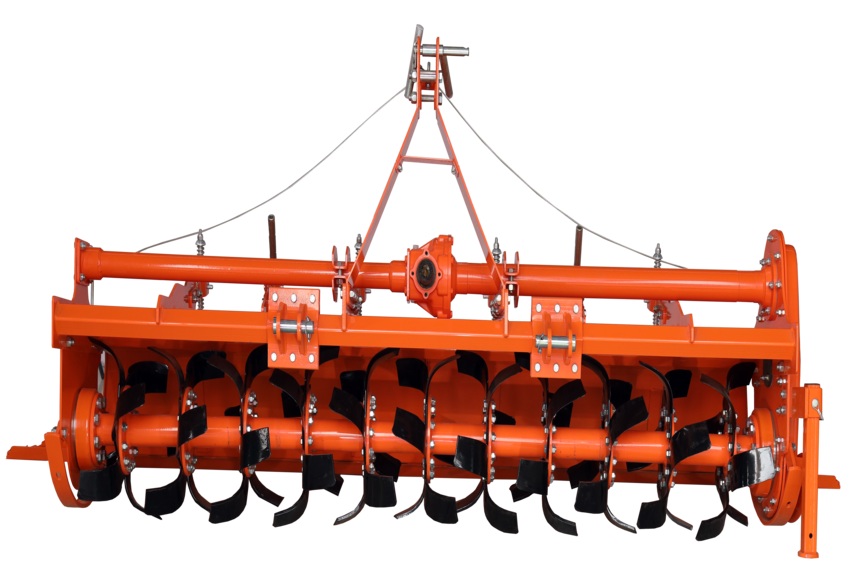
Upgrade your farm with high-performance rotary tillers from Agricom Africa. This guide covers everything from the heavy-duty tractor-mounted rotavators shown above to maintenance tips for Tanzania's unique soil conditions.
Rotary tiller (Rotavator) in Tanzania: Complete guide, types, uses, prices best deals for farmers
Rotary tiller machines help make land preparation faster, easier, and more efficient for farmers in Tanzania. Used by smallholder and commercial farmers alike, they support better soil preparation, lower labor demands, and improved farm productivity.
In agriculture, rotary tillers are important farm implements used to break up soil, mix crop residue, and prepare seedbeds for planting. This guide explains rotary tiller types, key benefits, pricing, and maintenance considerations. It also shows how to choose the right machine for your farm and why Agricom is a trusted supplier for quality rotary tiller solutions.
Not sure which rotary tiller suits your farm? Contact Agricom today for expert advice and get the right machine for your farming needs.
What is a rotary tiller and how does it work?
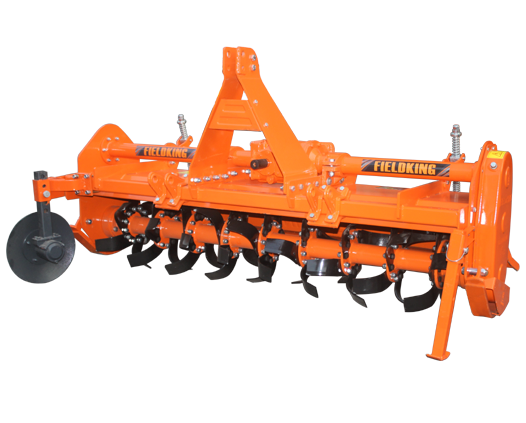
A rotary tiller machine, also known as a rotavator, is a farm implement used to break up soil, mix crop residue, and prepare seedbeds for planting. It works by using rotating blades powered through a tractor’s PTO system to loosen and turn the soil. The blades cut into the ground, improve aeration, and create a fine soil texture for better crop growth. The machine helps farmers save time, reduce manual labor, and improve overall land preparation efficiency.
Types of rotary tillers
Farmers can access different rotary tiller machine options designed to make soil preparation easier and more efficient. These machines help improve soil quality and reduce the time needed for land preparation.
The below shows our different rotavators and their uses.
Power tillers
Power-operated or mini rotary tiller models are suitable for small farms and gardens. They help farmers loosen soil, remove weeds, and mix manure quickly, making land ready for planting. These machines are easy to use and work well in small spaces where manual labor is slow and tiring.
Tractor mounted rotary tillers
Tractor-mounted rotary tiller machines are options for large farms. These machines cover large areas in less time and are used to break hard soil and prepare uniform seedbeds. They are ideal for commercial farmers who need faster and more efficient land preparation.
Chain-drive rotary tillers
Chain-drive rotary tillers use a chain system to transfer power from the tractor to the blades for soil working. They are strong and work well for breaking hard soil and preparing seedbeds in farms. However, they need regular maintenance, like checking and lubricating the chain.
Front-tine rotary tillers
Front-tine rotary tillers are small machines used for light gardening tasks like loosening soil and mixing compost. They are best for soft or already worked soil in small gardens. However, they are not suitable for hard or rocky ground.
Reverse-rotation tillers
Reverse-rotation tillers have tines that spin opposite to the direction of movement. This helps them dig deeper and break hard soil more easily. They are best for tough, compact ground and create a fine seedbed for planting.
Side-shift rotary tillers
Side-shift rotary tillers are tractor-mounted machines used to cultivate soil in orchards, vineyards, and narrow fields. They can move sideways to help farmers work close to trees and obstacles without damage. These tillers improve soil preparation by breaking, mixing, and levelling the ground efficiently in hard-to-reach areas.
Specialized tillers
Specialized tillers are machines made for specific farming tasks like deep soil work, land clearing, and heavy cultivation. They are stronger and more advanced than normal garden tillers. Farmers use them to improve efficiency, save time, and handle tough soil conditions more easily.
Rotary tiller price in Tanzania
Agricom Africa Limited offers rotary tillers for sale in Tanzania for different farming needs. The machines come in various sizes and horsepower levels, making them suitable for both small and large farms. Read below to understand more about their prices.
Price range by size and horsepower
Our rotavators vary by horsepower and usage level. Small mini or power tillers (around 7HP–13HP) are generally the most affordable and suit small farms. Medium to large tractor-mounted tillers (above 20HP–35HP+) are higher in price because they cover larger land and work faster. The price increases as engine power and working width increase.
Factors affecting cost
The price of rotary tillers in Tanzania depends on several technical, market, and operational factors that affect performance and durability. These machines vary in price based on how powerful and suitable they are for different farming conditions. Below are key factors affecting cost:
Engine power and horsepower: Higher horsepower tillers are more expensive because they deliver more strength for tough soils and large farms. Low HP models are cheaper but suited for small gardens only.
Brand and country of origin: Well-known international brands cost more due to better quality, reliability, and reputation. Locally assembled or lesser-known brands are usually cheaper.
Soil type and terrain: Machines built for hard, rocky, or clay soils are stronger and cost more. Simple models for soft soil are cheaper.
Import taxes and transport costs: Imported tillers become more expensive due to shipping fees, customs duties, and local transport charges in Tanzania.
Transmission type: Gear-driven tillers are more durable and efficient, so they cost more than belt-driven models. Belt-driven ones are cheaper but need more maintenance.
Spare parts and service availability: Machines with easily available spare parts cost more upfront but are cheaper to maintain. Rare parts increase long-term costs and reduce demand.
Attachments and features: Extra tools like ploughs, trailers, or furrow makers increase the overall price. Basic models without accessories are more affordable.
-2026-04-28T17-11-16-720.jpg)
Get your rotary tiller today and upgrade your farm efficiency.
Rotary tiller uses across different crops
A rotary tiller is used to cover many farming activities, including preparing land for maize farming, rice field preparation, horticulture and vegetable farming, and seedbed preparation for cash crops. It helps farmers break tough soil, improve soil structure, and prepare land for efficient planting. Below are various uses in farming activities:
Maize farming
The tiller helps maize farmers by breaking compact soil and mixing crop residues into the ground. This improves soil fertility and makes planting easier. It also helps control weeds before maize is planted.
Rice fields preparation
In rice farming, a rotavator is used to puddle and level wet soil for transplanting seedlings. It helps create soft soil conditions that hold water well. This supports strong root growth for rice plants.
Horticulture and vegetable farming
For vegetables, our machine prepares fine and loose soil that supports fast seed germination. It helps farmers grow crops like cabbage, tomatoes, and spinach in well-aerated soil. This improves plant health and uniform growth.
Seedbed preparation for cash crops
We use our equipment to prepare clean and uniform seedbeds for crops like cotton, tobacco, and sugarcane. It mixes fertilizers and organic matter into the soil for better nutrient supply. This results in stronger crop establishment and improved harvest quality.
Benefits of using a rotary tiller in modern farming
A rotary tiller implement helps farmers prepare soil quickly and evenly, reducing the need for heavy manual digging. It breaks and loosens the soil to improve air flow and water absorption, which supports healthier crop growth and higher farm productivity. Below are the benefits of using a rotavator in modern farming:
Improved soil aeration and seedbed preparation
Tillers loosen hard soil and improve airflow in the root zone. It creates a fine seedbed that supports better seed germination and strong crop growth. It also mixes crop residue and organic matter into the soil to improve fertility.
Reduced labor and operational costs
A rotary tiller combines several land preparation tasks in one pass, which saves time and labor. Farmers use less fuel and reduce machine operating costs. This helps lower overall production expenses.
Faster land preparation for planting seasons
Rotovator prepares land quickly, which helps farmers plant on time during short planting windows. Faster field preparation supports better crop scheduling and improves farm efficiency. This is important during busy planting seasons.
Effective weed control
Rotary tillage uproots weeds and buries them in the soil during land preparation. This reduces competition for nutrients and lowers the need for chemical weed control.
Increases crop productivity
Well-prepared soil allows seeds to germinate evenly and grow stronger. This leads to healthier crops and higher overall harvest output.
How to choose the best rotary tiller for your farm
Choosing the best rotary hoe implements for your farm depends on tractor horsepower, soil type, and operating costs. At Agricom, we guide farmers in selecting the right rotary tiller to improve soil preparation, reduce costs, and increase farm efficiency. Read below to understand how to choose the rotavator for your farm
Matching tiller size with tractor horsepower
Choose a rotovator that matches your tractor's horsepower to avoid poor performance or machine strain. We recommend selecting the right tiller width for proper soil coverage and smooth field operation. This helps improve efficiency and supports reliable performance.
Soil type considerations
Soil type affects the kind of soil rotary tiller you need for your farm. Heavy or compact soil may need a stronger tiller, while lighter soil may work well with a standard model. Choosing the right fit improves tillage quality and reduces wear on the machine.
Fuel efficiency and maintenance costs
A fuel-efficient tiller helps lower operating costs over time. You should also consider maintenance needs such as blade replacement, lubrication, and parts durability. Lower maintenance costs can improve long-term farm savings.
Maintenance tips for long-lasting performance
Proper maintenance helps a rotary hoe work efficiently, reduce breakdowns, and last longer. Regular care of key parts like blades, gearboxes, and storage conditions improves performance and lowers repair costs. We guide farmers on simple maintenance practices to keep equipment in good working condition. Below are maintenance tips:
Blade sharpening and replacement
Farmers should ensure the blades are checked regularly and sharpened to maintain good soil cutting performance. We also replace worn or damaged blades to ensure smooth and efficient tilling results.
Gearbox and lubrication care
Always checks gearbox oil levels and applies proper lubrication to moving parts. This reduces friction, prevents overheating, and extends machine life.
Seasonal storage tips
Farmers should make sure they store the rotary tiller in a dry and clean place after use. Proper storage prevents rust, damage, and ensures the machine is ready for the next season.
Get the best rotary tiller tractor attachment today and improve your farm productivity with faster soil preparation, better performance, and long-lasting durability.
What to check before purchasing a rotary tiller
Before buying a rotary tiller in Tanzania, farmers should check tractor horsepower compatibility, soil type suitability, and build quality to ensure efficient performance. A well-matched rotary tiller machine helps improve soil preparation, reduce fuel use, and prevent machine damage. At Agricom, we guide farmers to choose reliable equipment that fits their farm needs and improves long-term productivity. Below are what to check before purchasing:
1. The first important thing to check is matching the rotary tiller with your tractor’s horsepower and working width. This ensures smooth operation without overloading the machine.
2. Consider soil type and field conditions. Heavy or rocky soils need stronger tillers, while lighter soils can work with standard models.
3. Finally, check durability features such as gearbox quality, blade strength, and ease of maintenance. These factors help extend machine life and reduce repair costs.
Why buy rotary tillers from Agricom in Tanzania?
Buying a rotary cultivator from Agricom in Tanzania is a smart choice for farmers who want strong and reliable farm equipment. Below are the reasons why farmers buy from us.
We provide strong and reliable rotary tillers designed for farmers who need dependable farm equipment.
We focus on improving farm productivity through modern mechanization solutions.
Farmers get access to trusted equipment that delivers long-lasting performance in the field.
We provide after-sales support, including maintenance services and spare parts availability.
Expert guidance is offered to help farmers choose and use the right equipment correctly.
Flexible financing options make it easier for farmers to purchase rotary tillers without high upfront costs.
Visit Agricom today and check out our tractors and start farming smart.
FAQs about rotary tiller
What is a rotary tiller used for?
It is a farm implement used to break up soil, mix crop residue, and prepare seedbeds for planting.
When to use a rotary tiller?
A rotary tiller is mainly used during spring or autumn to prepare the soil for planting.
What is another name for a rotary tiller?
A rotovator, or rotavator, is another name for a rotary tiller.
When not to use a tiller?
You should not use a rotary tiller on wet soil because it can damage soil structure and reduce tilling efficiency.
What is the best type of tiller?
Cultivators are the best type of tillers.
Conclusion
Rotary tillers improve soil structure, save time, and reduce labour in modern farming. They help farmers prepare land faster while improving soil fertility and crop growth conditions. These machines also support better weed control and increase overall farm productivity. A rotary tiller implement is a smart choice for efficient and sustainable farming. Upgrade your farm today with the right equipment and achieve better yields with less effort.
Contact us today for expert guidance on rotary tillers and boost your farm productivity with reliable machines and support.
Phone: +25569 999 7998
Email: info@agricom.co.tz
Location: Plot 2319, Nyerere Road, Kamata, Opposite Mikumi Mall, Dar es Salaam, Tanzania