
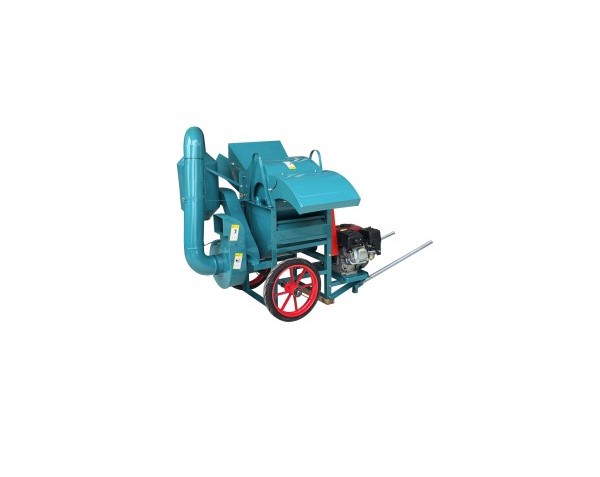
Threshing Equipment in Tanzania | Types, Uses, Prices & Buying Guide
Yaani Media
Discover the types, uses, and prices of threshing equipment in Tanzania. Learn how modern agricultural machinery from Agricom can help reduce post-harvest losses and boost your farm's productivity.
Threshing Equipment in Tanzania | Types, Uses, Prices & Buying Guide
Threshing equipment is an agricultural machine used to separate grains from harvested crops quickly and efficiently. It helps farmers reduce post-harvest losses while saving time and labour. As modern farming needs grow, more farmers are adopting machinery to improve productivity.
Threshing equipment is widely used after harvesting crops such as maize, rice, wheat, and sorghum. It replaces manual methods by making the separation of grain from stalks faster and more accurate. This helps improve the quality of produce while reducing waste during processing. Agricom provides durable options that support better farming results. Learn more about types, uses, price, and the best threshing machines for modern farming in this article.
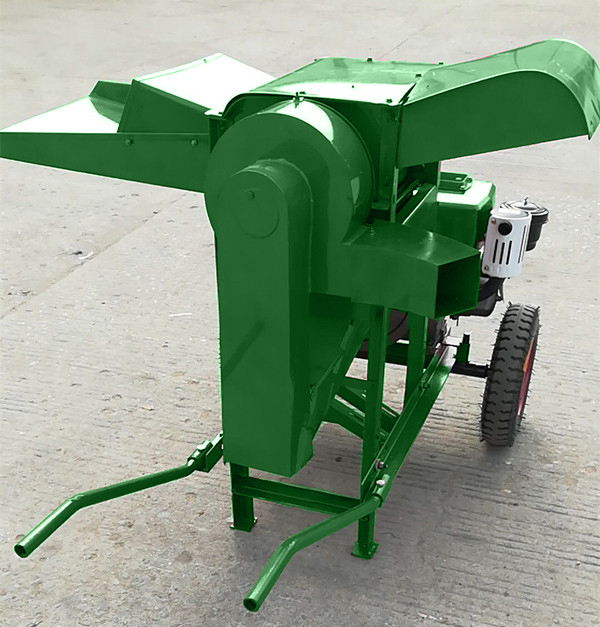
Get powerful and reliable tractors from Agricom to boost your farm operations.
What is threshing equipment, and why does it matter in agriculture
Threshing equipment is a machine used to separate grain from husks and stalks after harvesting. It makes farm work faster and easier compared to doing it by hand. This equipment helps reduce grain loss and improve the quality of the harvest. It is important in agriculture because it saves time and labour and increases productivity. Farmers use it to process crops like maize, rice, and wheat efficiently.
Types of threshing equipment available in Tanzania
Threshing machines in Tanzania include different types of equipment used to separate grains from harvested crops quickly and efficiently. They help reduce post-harvest losses and improve farm productivity. Below are the main types:
Multi-crop threshers
These machines are designed to handle several crops, such as maize, wheat, sorghum, and beans, using one machine. They reduce the need for multiple machines, saving cost and space for farmers. We provide efficient multi-crop threshers suitable for mixed farming systems.
Maize shellers
The shellers remove grains from maize cobs quickly with minimal damage. They reduce the need for manual shelling and improve processing speed. Visit our shop for durable maize shellers for both small and commercial maize farmers.
Rice threshers
Rice threshers separate rice grains from stalks after harvesting. They help improve grain quality and reduce losses during processing. Shop for quality threshers at our stores today at a pocket-friendly price.
Wheat threshing machines
Wheat threshing machines are used to separate wheat grains from straw and husks efficiently. They replace slow manual methods with faster mechanical processing.
Tractor-mounted threshers
Tractor-mounted threshers are attached to tractors and used for large-scale farm operations. Our shop stocks powerful tractor-mounted models for commercial farming, as they are ideal for processing large volumes of crops in less time.
Power-driven stationary threshers
Power-driven threshers operate using diesel or electric engines at a fixed location. Our team supplies dependable stationary threshers designed for continuous use and high efficiency. Farmers bring harvested crops to be processed in bulk.
Get reliable threshing equipment and spare parts today and improve your harvest efficiency.
Key features to consider before buying threshing equipment
Farmers in Tanzania should check important features before buying threshing equipment to ensure good performance and value. These features include threshing capacity, power source, crop compatibility, and durability and build quality. Each one affects how fast the machine works, the type of crops it can handle, and how long it will last. Here are the key features for threshing equipment.
Threshing capacity
Threshing capacity refers to the amount of grain a machine can process in a given time. Farmers should match capacity with farm size to avoid delays or overload. We offer different capacity options for small, medium, and large farms.
Power source
This is how the machine runs: diesel, petrol, electricity, or tractor power. Agricom offers threshers with flexible power options for different farming conditions. The right choice depends on fuel availability and farm setup.
Crop compatibility
This means the machine's ability to handle crops such as maize, rice, wheat, and sorghum. A multi-crop machine is more cost-effective for mixed farming. We provide versatile threshers suitable for common Tanzanian crops.
Durability and build quality
Durability and build quality show how strong the machine is during long-term use. We offer durable machines designed for tough farm environments. A well-built thresher reduces breakdowns and repair costs.
Benefits of using modern threshing equipment
Modern agricultural threshers, such as multi-crop threshers, maize shellers, rice threshers, and wheat threshing machines, help farmers in Tanzania improve productivity and reduce losses. These machines make work faster, cleaner, and more efficient compared to manual methods. These benefits include:
Reduced post-harvest losses
Multi-crop threshers and maize shellers help farmers reduce grain loss during harvesting by quickly separating seeds from stalks. This ensures more harvest is saved and less is wasted in the field.
Faster processing
Rice threshers and wheat threshing machines process large amounts of grain in a short time. This helps farmers finish threshing work within hours instead of several days.
Lower labor costs
Tractor-mounted threshers and multi-crop threshers reduce the need for many workers. Farmers spend less on labour because one machine can do the work of many people.
Improved grain quality
Power-driven stationary threshers and rice threshers clean grain by removing dust, husks, and impurities. This gives farmers cleaner grain that can sell at better market prices.
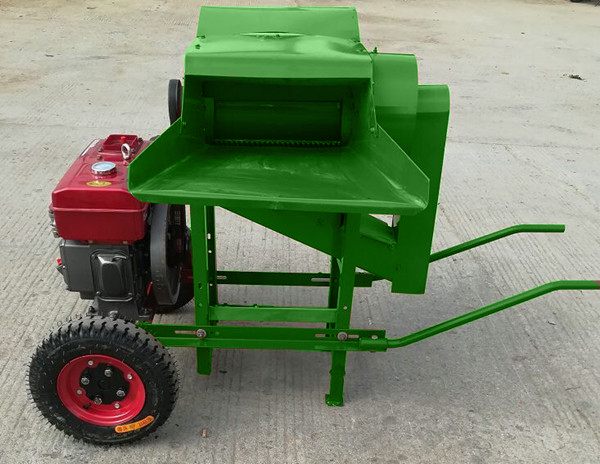
Threshing equipment prices in Tanzania
Threshing machine prices in Tanzania depend on machine size, engine power, and capacity. Small models suit small farms, while large machines serve commercial farming needs. We provide various threshers, including multi-crop threshers, maize shellers, and rice threshers, to suit different budgets and farm sizes. Below are factors affecting threshers' prices.
Small-scale farmer models
Small-scale threshers like portable multi-crop threshers and mini maize shellers are more affordable and fit small farms. They are designed for crops such as maize, beans, and sorghum and are easy to move and operate.
Medium-duty threshers
Medium-duty machines such as rice threshers and tractor-mounted threshers offer higher output for mid-size farms. They handle more grain per hour and reduce labour while keeping operating costs moderate.
Commercial high-capacity machines
Large farms use high-capacity equipment like power-driven stationary threshers and heavy-duty multi-crop systems. These machines process large volumes quickly and are ideal for commercial farming and service providers.
How to choose the right threshing machine for your farm
Choosing the right threshing machine helps farmers increase efficiency and reduce post-harvest losses. Farmers should focus on machines that match their daily harvesting needs and offer easy maintenance. The best choice depends on farm size, crop type, and available budget.
Based on farm size
Small farms should choose portable or low-capacity threshers because they are affordable and easy to operate. Medium and large farms need higher-capacity machines that can handle more grain per hour and save time during peak harvest. Matching machine size with farm size helps reduce fuel costs and improve productivity.
Based on crop type
Different crops need different threshing machines for the best results. Multi-crop threshers are ideal because they can handle maize, beans, wheat, and other grains with minimal adjustment. We always advise farmers to choose a machine that fits the main crops they grow to avoid grain damage and losses.
Based on the budget
Farmers should select a threshing machine that balances cost and long-term value. Low-budget options may work for small-scale use, but higher-quality machines reduce repair costs over time. Investing wisely ensures better efficiency, less labour, and higher farm income in the long run.
Maintenance tips for long-lasting threshers
Our agricultural engineers recommend regular maintenance to keep threshers working efficiently and to extend their lifespan. Proper care helps reduce breakdowns, improves performance, and ensures better grain quality during harvest. Farmers in Tanzania should follow these simple but consistent maintenance practices to avoid costly repairs.
Cleaning and lubrication
Farmers should clean the thresher after every use to remove dust, crop residues, and dirt that can cause rust or block moving parts. Lubricate bearings, chains, and other moving parts regularly to reduce friction and prevent overheating. This simple routine helps the machine run smoothly and last longer.
Replacing worn parts
Check important parts like belts, drum teeth, and bearings for wear and tear before every use. Replace damaged parts immediately to avoid further machine damage and grain loss. Using strong and quality spare parts improves efficiency and reduces frequent breakdowns.
Proper storage
Farmers should always store the thresher in a dry, covered place after use to protect it from rain and moisture. Keeping it away from harsh weather conditions prevents rust and corrosion. Proper storage ensures the machine stays in good condition and is ready for the next harvest season.
Visit a specialist today for expert farm advice and better productivity results.
Common challenges farmers face with threshing equipment
Farmers in Tanzania face several challenges when using threshing machines. These problems affect efficiency, increase costs, and can lead to crop losses after harvest. Our agricultural engineers explain that most issues come from high costs, poor maintenance, and improper use of equipment. Understanding these challenges helps farmers improve how they use and care for their machines.
High initial equipment costs
Many farmers struggle to afford threshing machines because the purchase price is high. This limits adoption, especially among smallholder farmers who rely on manual methods. As a result, many continue using traditional threshing, which is slower and less efficient.
Limited access to spare parts
Farmers often face delays in repairs because spare parts are not easily available in local markets. This leads to long machine downtime during the harvest season. It also increases repair costs when parts must be imported or sourced from faraway locations.
Poor machine maintenance
Lack of regular maintenance causes frequent breakdowns and reduces machine lifespan. Many farmers do not clean, lubricate, or inspect their threshers after use. This leads to wear and tear that could have been avoided with simple care practices.
Power and fuel availability issues
Some threshers depend on diesel or electricity, which is not always reliable in rural areas. Fuel shortages or high fuel costs can stop operations during peak harvest time. This reduces efficiency and delays post-harvest processing.
Using the wrong thresher for certain crops
Farmers sometimes use a single machine for different crops without checking compatibility. This can damage the machine or reduce grain quality. Using the right thresher for each crop improves performance and reduces losses.
Grain losses from improper machine operation
Incorrect feeding speed or poor machine handling can lead to grain breakage and wastage. Untrained operators often cause inefficiencies during threshing. Proper training and correct operation methods help reduce these losses significantly.
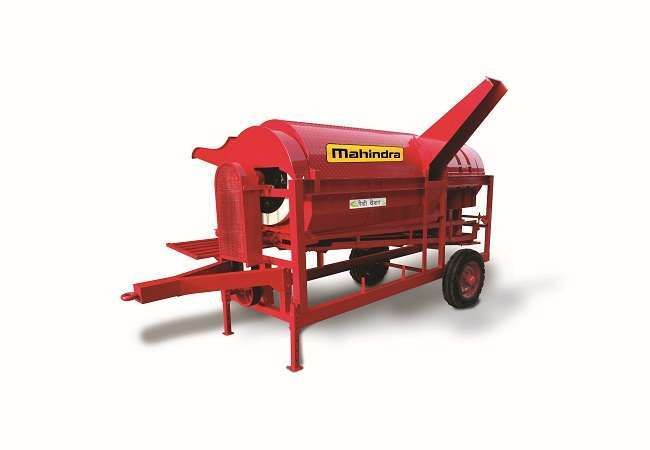
Why buy quality threshing equipment from Agricom
Buying quality threshing equipment is very important for farmers who want to reduce grain losses, save time, and improve productivity during harvest. Many farmers in Tanzania choose us because we offer reliable machines built for local farming conditions. Below are more reasons why farmers buy from us.
1. Advanced and efficient machines. We provide modern threshers that improve speed and reduce grain losses during processing.
2. Strong after-sales support. Farmers receive professional maintenance services, training, and technical support to keep their machines running well.
3. Durable and reliable equipment. Our machines are built to handle tough field conditions, reducing breakdowns and repair costs.
4. Easy access to spare parts and servicing. Farmers can quickly get genuine spare parts, which helps avoid long delays during the farming season.
5. Improved productivity and profit. Better threshing quality means cleaner grain, less waste, and higher market value for farmers.
FAQs about threshing equipment
What equipment is used in threshing?
A thresher has a rasp bar cylinder, a concave, oscillating sieve, and a winnowing system. These parts work together to separate and clean grain.
What is the traditional tool for threshing?
A flail is a simple farming tool used by hand to separate grain from crops during threshing.
What is a threshing tool?
A threshing tool is either a simple implement or a machine used to separate grain from straw and husks after harvest.
What are modern threshing machines called?
Modern threshing machines are called combine harvesters.
What are the different types of threshing machines?
The main types include advanced axial-flow systems and versatile multi-crop threshers.
Conclusion
Proper threshing equipment and good maintenance help farmers reduce losses and increase productivity. Farmers in Tanzania benefit more when they use reliable machines that are easy to service and maintain. Choosing and trusting Agricom as your supplier ensures access to quality equipment and after-sales support. Contact us today for quality machines, expert support, and trusted after-sales service.
Phone: +25569 999 7998
Email: info@agricom.co.tz
Location: Plot 2319, Nyerere Road, Kamata, Opposite Mikumi Mall, Dar es Salaam, Tanzania