
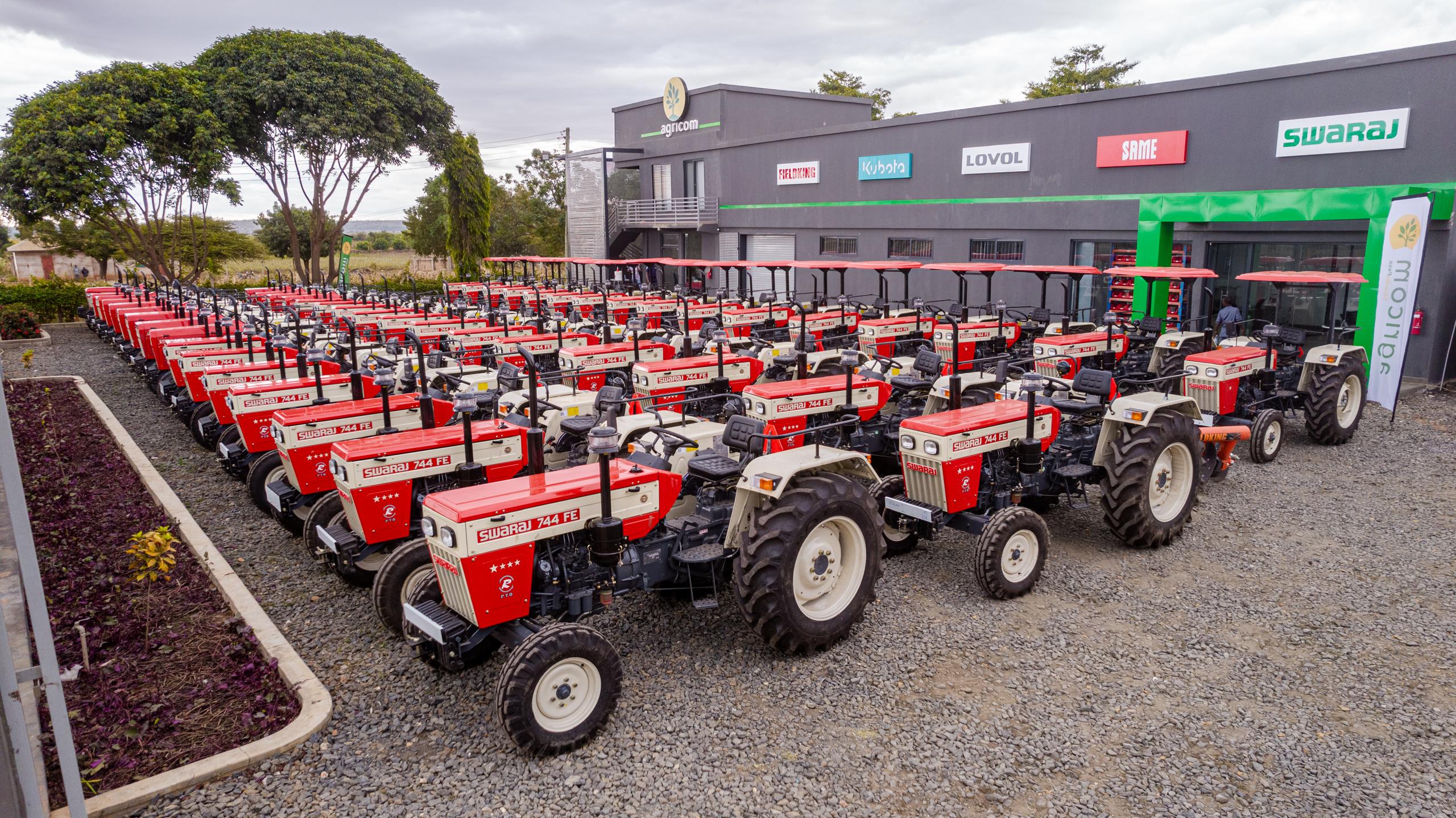
Best Tractor for Maize Farming in Tanzania
Yaani Media
Find the best tractor for maize farming in Tanzania. Compare horsepower, 2WD vs 4WD, farm size, implements and costs. Explore tractors at Agricom.
Best Tractor for Maize Farming in Tanzania
Agricom offers the best tractor for maize farming, and your choice will depend on your farm size, the work to be done, soil conditions, and terrain. Whether you need to plough the field, prepare seedbeds, plant maize, or transport harvested crops, the right tractor must match your farming needs without exceeding your budget. As a farmer, you need to understand drivetrain options, horsepower, and implement compatibility to make reasonable decisions.
Selecting the best tractor for maize farming in Tanzania isn't just about price or power. Take into account acreage, workloads in a season, field conditions and implements needed for land preparation, planting and crop maintenance. Visit Agricom to understand the factors to consider when choosing the best tractor for your farm requirements, including horsepower, 2WD versus 4WD, compatible implements and equipment costs.
Read also: Tractors for Sale in Tanzania | Agricom
Which tractor is best for maize farming in Tanzania?
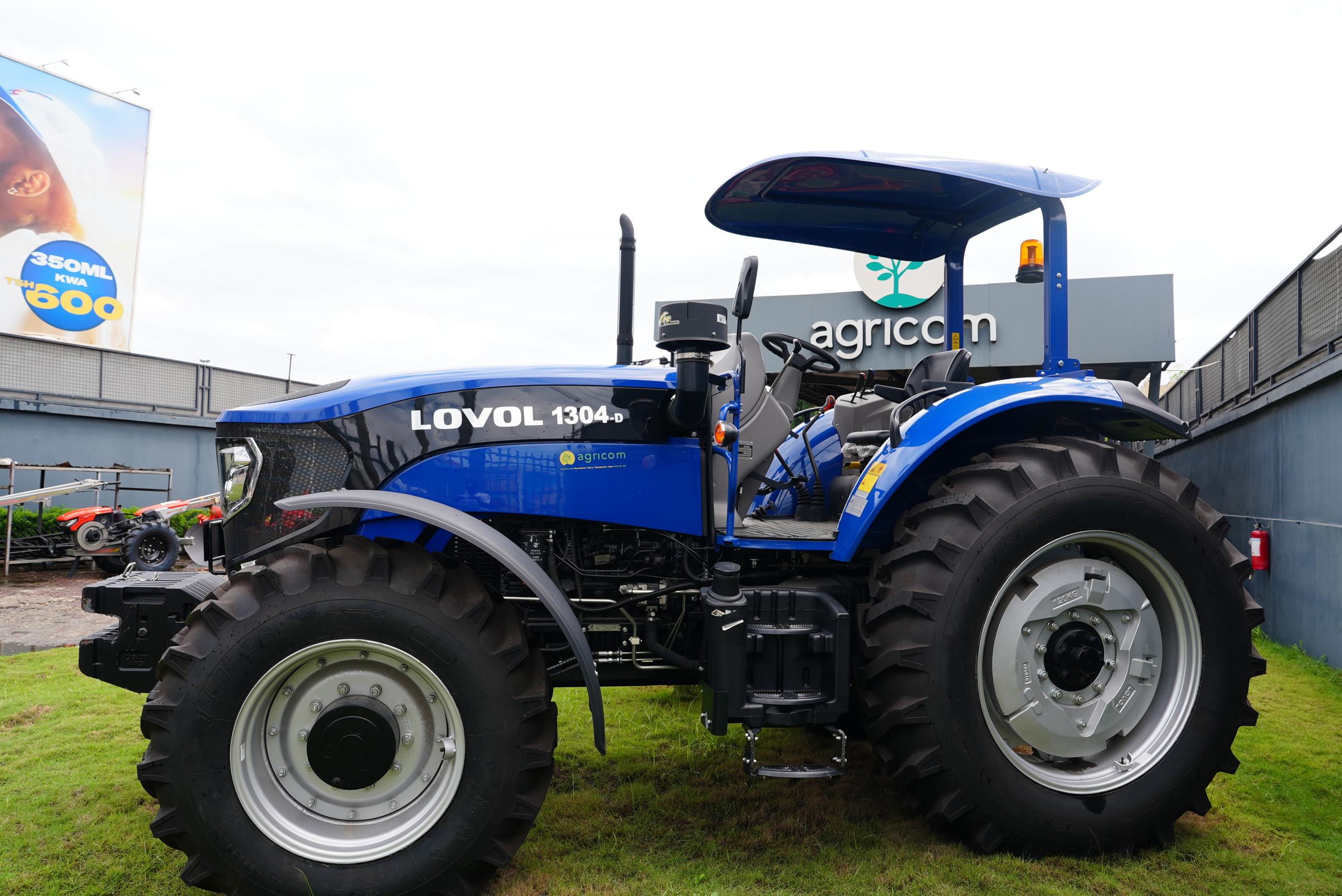
The ideal tractor is one that lets you manoeuvre your field and use the implements on your farm. As a smallholder who is working a few acres, you might prioritise affordability, manoeuvrability and lower operating costs. On the other hand, if you work larger fields for commercial farming, you'll need more horsepower and larger implements to complete operations within a suitable timeframe.
Best tractor for small-scale maize farming
If your farm is small, focus on the tasks you want to mechanise. Buying a tractor with enough power to pull the plough, harrow, or planter may be more economical than buying a higher-powered model with capacity you rarely use. Consider spare parts, maintenance costs, and whether the tractor can handle other farm tasks.
Best tractor for medium and large-scale maize farming
Higher horsepower, proper traction and wider implements offer the best farming solutions for larger farms and demanding tillage. However, buying a larger tractor does not automatically mean it offers the best value. Compare your field conditions, expected workload, and total ownership costs before deciding.
Check out available tractor models from Agricom's product portfolio.
What horsepower is best for maize farming?
Horsepower affects your tractor's efficiency when pulling implements and carrying out field operations. The best range varies based on the soil resistance, terrain, implement width, working depth and the time available to prepare the land. Other factors that can influence compatibility are PTO output, hydraulic capacity, linkage and traction. Consider the following recommendations by Agricom (these are only general starting points):
These are not hard-and-fast recommendations but are :
Tractor horsepower | Potential applications |
35–45 HP | Lighter duties and smaller implements where conditions permit |
45–60 HP | Some small-to-medium farming operations |
60–75 HP | More demanding tillage and larger implements, subject to requirements |
Above 75 HP | Larger commercial operations and heavier workloads |
For maize farming, therefore, the best tractor horsepower depends on your actual workload, not simply the highest figure available.
2WD vs 4WD tractor for maize farming
The difference between a two-wheel drive (2WD) tractor and a four-wheel drive (4WD) tractor is primarily how power is transferred to the wheels. The selection should be based on field conditions, workload, and equipment to be used.
Consideration | 2WD tractor | 4WD tractor |
Traction | May be sufficient for many routine operations | Provides additional traction when conditions demand it |
Terrain | Can suit relatively level fields | Can be useful on uneven or challenging terrain |
Soil conditions | Suitability depends on soil and moisture | May help in demanding conditions, but does not eliminate traction limitations |
Implements | Must match the tractor's power and capacity | Must also match power, capacity and implement requirements |
Cost | Compare purchase and operating costs for the specific model | Compare the additional purchase and maintenance costs |
For a smaller farm with relatively flat land and lighter workload, a 2WD tractor might be the better choice. If additional traction is required, a 4WD tractor might be a good option. None of these solutions is necessarily more appropriate for all maize farms.
Implements for land preparation
Primary tillage is mostly done with a disc plough, and a disc harrow may be used to improve the seedbed conditions and break clods. Cultivators may be useful for particular soil-management and cultivation tasks. The implement you need depends on the farm’s soil type, field conditions and preparations needed before planting.
Also Read: Farm Implements in Tanzania: Types, Uses, Prices & Buying Guide
Maize planters and tractor compatibility
Maize planters, such as mechanical and pneumatic models, can help you plant more consistently if selected and operated properly. However, not all tractors suit all planters. Carefully check the horsepower, PTO requirements (if applicable), hitch or linkage compatibility, hydraulic requirements and working width. Consider also planting row configuration and intended field conditions to ensure they match the farming operation. Refer to Agricom's maize planters in Tanzania information guide.
Crop maintenance and transport
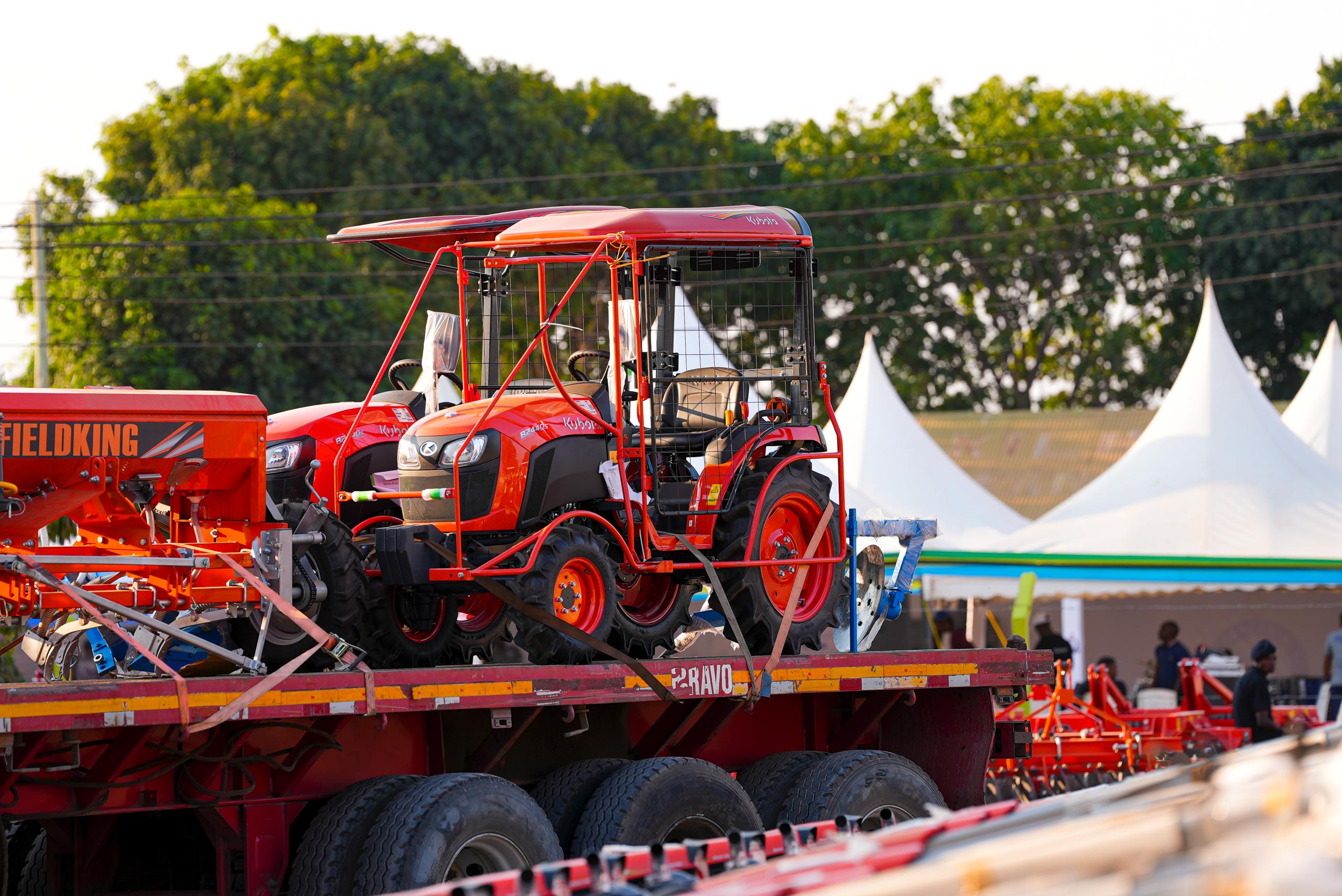
The tractor may also need to carry a sprayer, an inter-row cultivator, or farm trailer. Before you purchase a machine, consider the additional tasks to ensure it can handle what you expect it to do. The aim is to achieve the right balance for capability, affordability and long-term suitability. You might be better off buying a tractor that suits your specific needs over one that's only being sold because of its seemingly high horsepower or low advertised price.
How much does a tractor for maize farming cost in Tanzania?
Tractor prices in Tanzania vary by brand, model, horsepower, drivetrain type, condition, and accessories. The total cost of mechanising maize farming can include routine maintenance, trailer, planter, harrow, or a plough. When comparing prices, make sure to check what each quotation includes. Our tractor price guide explains the main costs that can influence your final quote.
Why consider Agricom for your maize farming tractor?
Agricom gives you a starting point to explore agricultural machinery and related equipment in the Tanzanian market. When you inquire, include your acreage, soil type, operations and budget to be able to discuss what options are available that are relevant to your needs. Visit Agricom Tanzania to explore available machinery and equipment, discuss your maize farming requirements with us, and ask for information on suitable tractor and implement options to meet your needs.
Frequently asked questions about tractors for maize farming
What is the best horsepower for a maize farming tractor?
The amount of horsepower required is determined by the size of your farm, the soil type, terrain and implements the tractor must power. Before you choose, check the implement manufacturer's requirements.
Is a 45 HP tractor enough for maize farming?
This could suit some maize farming operations, but it depends on soil resistance, implement size, and the amount of work.
Is a 2WD or 4WD tractor better for maize farming?
Some level fields and lighter loads may require a 2WD tractor, and 4WD can be beneficial if traction is required. Compare your actual field conditions before deciding.
Can one tractor handle ploughing and maize planting?
Yes, as long as it matches the plough and planter in terms of specifications and connections. Check compatibility of implements before buying.
Conclusion
The best tractor for maize farming in Tanzania must align with your farm acreage, field conditions, workload and implement requirements. Comparing horsepower, drivetrains, compatibility, and overall ownership costs can help you make a better decision. Looking to get a tractor for maize cultivation in Tanzania? Contact Agricom with your farm size, proposed operations, and budget to discuss the most suitable tractor and implement options and request a quotation.
Read also: Tractor Specifications Guide: HP, PTO, Engine, Weight & More