
How to Reduce Post-Harvest Losses in Tanzania: Practical Methods and Tools for Farmers
Yaani Media
Learn practical methods and modern tools to reduce post-harvest losses in Tanzania. Improve storage, handling, transport, and farm profitability.
How to reduce post-harvest losses in Tanzania: practical methods and tools for farmers
Farmers in Tanzania are seeking the best ways to reduce post-harvest losses to retain the quantity and quality of their farm products. From poor harvesting practices and inadequate storage to pest infestations and transportation damage, these factors can significantly impact farm profitability and food security. Through proper storage, right harvesting methods, and right transportation, farmers can reduce post-harvest losses.
Reducing post-harvest losses is a key concern for Tanzanian farmers. This guide explores the causes of loss, effective practices and technologies, and why Agricom is the solution of choice.
Get agricultural services to help manage your farm's produce at Agricom.
Major causes of post-harvest losses in farming systems
Post-harvest losses occur when crops lose quality or quantity after harvest and before reaching the market. These are caused by biological, environmental, and systemic factors. Below are the causes of post-harvest losses:
Poor harvesting practices and timing
Harvesting at the wrong maturity stage is one of the major causes of post-harvest losses. When crops are harvested immature, they have lower quality and size, while over-matured crops spoil quickly and become difficult to sell. Also, using the wrong harvesting tools and equipment, or rough handling during harvest, can lead to crop loss.
Inadequate storage infrastructure
Poor crop storage conditions expose produce to moisture, heat, and pests, leading to spoilage and quality loss. Many farmers lack proper storage facilities that can keep produce dry, clean, and well-ventilated. As a result, grains may develop mold, while fruits and vegetables can rot before reaching the market.
Lack of cold chain systems
Fresh produce such as fruits, vegetables, dairy products, and flowers requires temperature control after harvesting. Without proper cold storage in agriculture and refrigerated transport, produce loses freshness and spoils much faster. This challenge is common in many farming areas where access to cooling facilities is limited.
Lack of knowledge
Farmers may often lack knowledge about post-harvest handling techniques and technologies. Poor post-harvest handling of crops reduces the quality of farm products before they reach the market.
Weak market linkages and transport inefficiencies
Farmers can incur losses when they lack reliable buyers or efficient transport. Poor roads, long travel times, and unsuitable packaging can damage produce before it reaches the market. Delays in selling harvested crops may also increase spoilage, especially for highly perishable products.
Pest and microbial infestation
Insects, rodents, fungi, and bacteria can damage crops during storage and transportation. These pests feed on produce, contaminate food, and reduce market value. High moisture levels and poor hygiene practices often create conditions that allow pests and harmful microorganisms to spread quickly.
Shop for farming products on our online store.
Best practices to reduce post-harvest losses on the farm
Post-harvest losses are major contributors to food shortages in Tanzania. The right packaging, transportation, and storage practices help to reduce post-harvest losses in agriculture. Here are the best practices farmers should practice to reduce these losses:
Harvest at the right maturity stage.
Crops should be harvested when they have the correct taste and appearance. Harvesting at the right time ensures that the produce is fresh and of good quality.
Use proper handling and sorting techniques.
Always ensure you immediately separate damaged or infected crops using clean, sanitized tools. These post-harvest handling practices prevent micro-build-up and ensure that the produce remains of good quality.
Improve drying and storage methods.
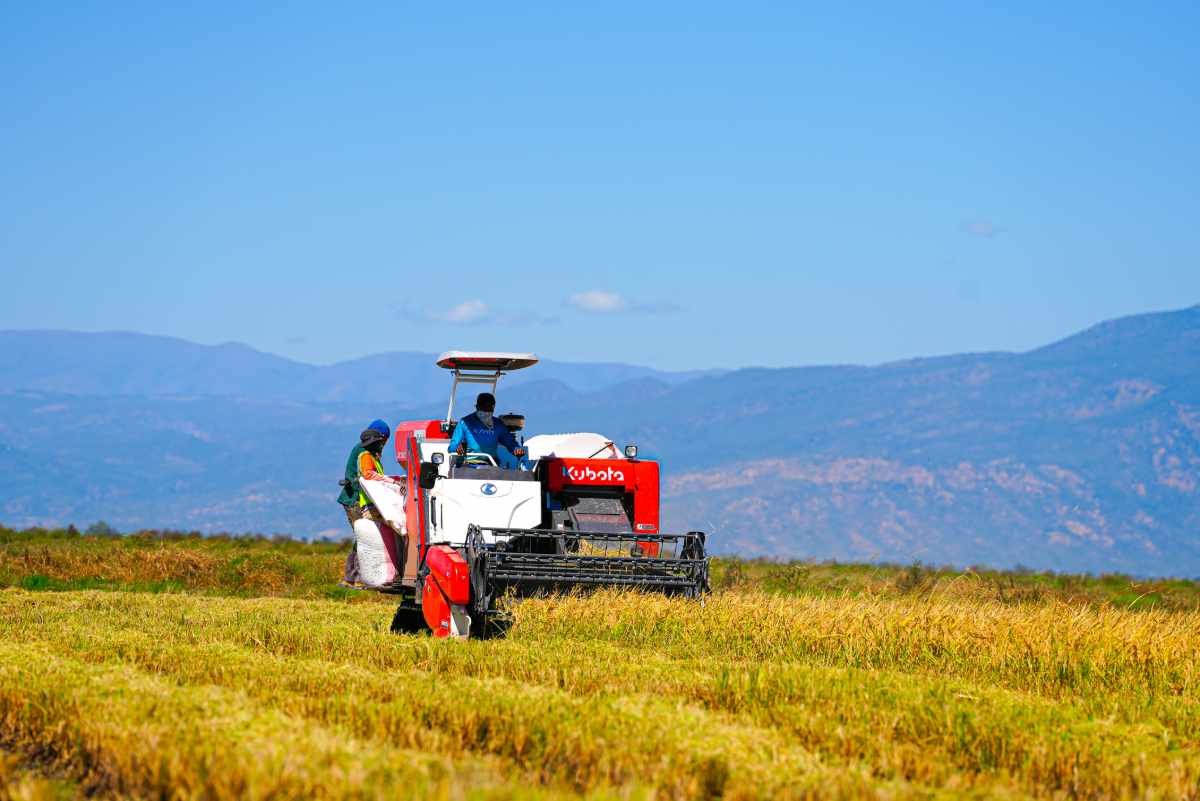
Sun-dry harvested grain on a raised surface to attain the right moisture content. After your grains have dried completely, store them using advanced storage techniques such as ventilated stacking or hermetic storage. This ensures that the produce can be stored for a long time without losing its quality.
Reduce transport damage through better packaging.
Using the right packaging materials can reduce damage to produce during transportation and storage. By using restraints, individual wrapping, or cushioning, crops reach the market fresh with no bruises or damage.
Adequate cold chain and refrigeration
Increasing the availability of cooling equipment reduces the amount of perishable produce. This will make sure that produce, like fruits, vegetables, fish, meat, and milk, will reach the market while still fresh.
Technology and innovation in post-harvest management
Tanzanian farmers are adopting post-harvest technologies that reduce waste, preserve nutrition, and improve livelihoods.
Advanced cold chain
Modern cold storage uses temperature and humidity control, solar cooling, and smart sensors to prevent spoilage. These systems help keep produce fresh and reduce losses, improving farmer earnings.
Hermetic storage systems
Hermetic storage solutions use artificial bags, containers, or silos to prevent contamination, pests, and moisture. These systems help preserve crop quality without relying on chemicals. Farmers can use hermetic storage to extend storage life and reduce grain losses.
AI and digital tracking in supply chains
Digital technologies help farmers track produce from the farm to the market. Sensors can monitor temperature, humidity, and storage conditions, allowing users to identify problems before losses occur. Artificial intelligence (AI) can be powered by robotic arms used to grade and sort crops.
Agritech platforms like Agricom are improving efficiency.
Agritech platforms such as Agricom provide farmers with modern solutions, equipment, and support services to improve productivity and efficiency. They enable better storage, handling, and processing while connecting farmers with vital technologies and expertise, reducing losses and increasing profitability.
Smart packaging
Smart packaging uses advanced materials and tracking features to maintain product quality, reduce spoilage, and enable early detection of issues for farmers and suppliers.
ALSO READ: Threshing equipment in Tanzania: Types, uses, prices, and best machines for modern farming
Benefits of reducing post-harvest losses
Effective post-harvest management helps maintain food quality, reduce waste, and increase food supply. Below are the benefits of reducing post-harvest losses:
Increased farmer income: Farmers with proper storage solutions can store their produce and later sell it when the prices are high.
Improved food security: Effective post-harvest solutions increase food availability for consumption, ensuring more food reaches the market rather than being wasted during storage and transportation.
Reduced waste in supply chains: Correct post-harvest practices reduce losses during handling, transportation, storage, and marketing.
Better market competitiveness: Good post-harvest management helps preserve the freshness, appearance, and nutritional value of produce, thereby attracting buyers.
Enhances food safety: Proper post-harvest practices help prevent contamination from pests and mold, making produce safe for human consumption.
Why choose Agricom for post-harvest solutions
Agricom stands out by providing farmers with tailored post-harvest solutions that combine reliable agricultural equipment, expert support, and innovative technologies. With a deep understanding of the challenges faced by Tanzanian farmers, Agricom delivers personalized services to reduce post-harvest losses more effectively than traditional approaches.
Quality assurance: Our post-harvest equipment is made of high-quality, strong, and durable materials to handle post-harvest practices effectively without damaging crops.
Our tailored post-harvest solutions measure, monitor, and control storage conditions to reduce crop loss and maximize both the quality and quantity of produce. We provide ongoing support to ensure farmers optimize their post-harvest practices.
We connect farmers with direct buyers, minimizing barriers and leading to higher income levels and fairer pricing.
We offer modern post-harvest technologies that help farmers store, preserve, and manage crops more effectively after harvest.
ALSO READ: Crop protection equipment in Tanzania | Agricom
FAQs about how to reduce post-harvest losses
What is the most effective way of preventing post-harvest losses in maize?
The most effective way to prevent post-harvest losses in maize is to properly dry the grains, then store them in hermetic storage.
What are the main causes of post-harvest losses?
The main causes of post-harvest losses are incorrect harvest timing, mechanical injuries, pest and microbial infestations, poor temperature management and poor storage and packaging.
What are the benefits of reduced post-harvest losses?
The benefits of reduced post-harvest losses include: increasing the food supply, increasing farmer income, improving food security, reducing greenhouse gas emissions, and maintaining food quality.
How to minimize post-harvest losses?
You can minimize post-harvest losses by proper cold chain management, timely harvesting, and proper sun drying.
Conclusion
In Tanzania, harvesting at the right time, proper drying, and storage are major factors in reducing post-harvest losses. Farmers should also embrace technologies and innovations to reduce losses and increase income.
READ ALSO:Crop Protection Equipment in Tanzania
Contact us today to speak with our experts and learn how to reduce post-harvest losses for better farming.
Phone: +25569 999 7998
Email: info@agricom.co.tz
Location: Plot 2319, Nyerere Road, Kamata, Opposite Mikumi Mall, Dar es Salaam, Tanzania