
Maize Land Preparation: Steps, Methods and Equipment in Tanzania
Yaani Media
Learn maize land preparation in Tanzania: five practical steps, tillage methods, soil moisture, tractors, ploughs and harrows. Explore equipment at Agricom.
Maize Land Preparation: Steps, Methods and Equipment in Tanzania
Maize land preparation is an essential part of maize cultivation. It helps farmers manage weeds, prepare the field for sowing and improve planting conditions. The right choice depends on soil type, rainfall, farm size and available farm equipment.
There are key stages in maize land preparation that farmers should consider before choosing a tillage method. Soil moisture, previous crop residues, terrain and local rainfall patterns affect when and how to prepare land for maize. Farmers may use hand tools, power tillers or tractors, depending on their needs and available resources. This guide explains the preparation steps, suitable equipment and methods for land preparation for maize production in Tanzania.
Explore available land preparation machinery and equipment in the Agricom online store.
What is maize land preparation and why does it matter?
Maize land preparation is the process of clearing and preparing a field before planting maize. Its main aim is to create suitable conditions for seed placement, germination and root development. Good soil preparation for maize can also help farmers address compaction, poor drainage and weed pressure. The method should conserve soil moisture where appropriate and avoid excessive disturbance when it is not needed.
When should you prepare land for maize farming in Tanzania?
The right timing depends on the local rainy season, soil moisture and intended planting date. Working soil when it is very wet can damage its structure, while hard, dry soil may require more power to cultivate. Late maize field preparation can reduce the time available to plant when useful rainfall arrives. Plan early based on local rainfall patterns and consult an agricultural extension officer for region-specific advice.
For the next stage of crop establishment, see Agricom’s guide to seeding and planting equipment.
5 essential steps in maize land preparation
Here is a step-by-step guide on how to prepare land for maize farming.
1. Assess the field and soil conditions
Before land preparation, inspect the field to choose a suitable method and equipment. Check soil texture, slope, drainage, weeds, previous crops and any signs of compaction. These checks help determine which maize land preparation methods are appropriate.
2. Clear weeds and field obstacles
After checking the soil conditions, remove or manage weeds, stones, stumps and other obstacles that interfere with planting or machine operation. Check whether previous crops have left residues that may affect the selected implement. Where practical, retaining crop residues can protect the soil surface and help reduce erosion. The clearing method should suit the field and intended tillage system.
3. Choose the right primary tillage method
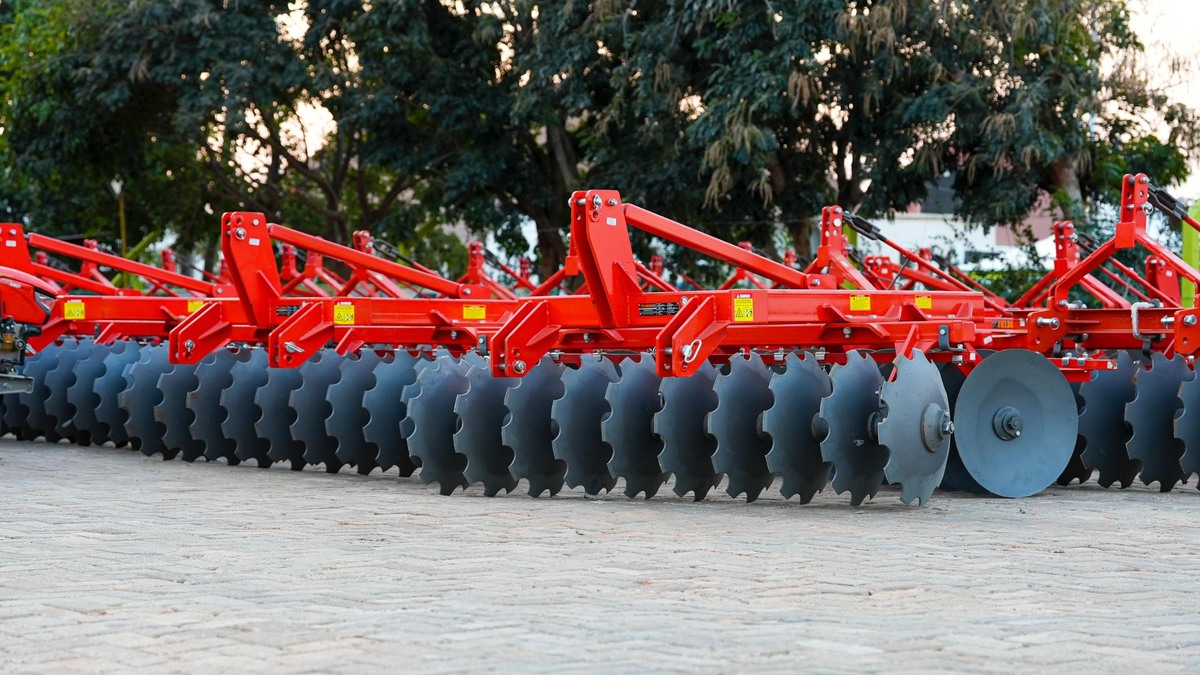
The appropriate tillage method varies. A power tiller can work for smaller plots, while animal-drawn implements or tractor ploughing for maize may suit different field sizes and workloads. A disc plough is one option for primary tillage and soil turning, but its suitability depends on soil, residues, terrain and tractor capacity. Not every maize field needs conventional ploughing: minimum-tillage or direct-planting systems may be appropriate where conditions and equipment allow.
4. Harrow the seedbed when necessary
After primary tillage, check whether large soil clods remain that could interfere with planting. Harrowing may help refine the seedbed. Ploughing and harrowing serve different functions: ploughing is primary tillage, while harrowing can break clods and prepare the surface. Repeated tillage can damage soil structure and leave the field more exposed to erosion, so use it only where needed.
5. Check field readiness before planting
Inspect soil moisture, surface condition, remaining weeds and suitability for the chosen planting equipment. Also check drainage where waterlogging is a problem. For machine planting, confirm that the seedbed and crop residues suit the planter being used.
Read also: Agricom’s maize planters in Tanzania guide.
Which maize land preparation method is best?
Conventional tillage uses suitable tools or machinery to loosen or turn soil. The choice depends on weeds, compaction, crop residues, erosion risk, machinery and farmer experience. Minimum or conservation tillage reduces unnecessary soil disturbance. Depending on the farming system, farmers may retain residues, prepare planting strips or plant into minimally disturbed soil. These approaches can help protect the surface and reduce erosion when managed appropriately. No one tillage method is best for every farm.
What equipment do you need for maize land preparation?
The equipment needed depends on farm size, soil conditions and the chosen preparation method.
Equipment | Main purpose | Best-fit consideration |
Hand hoe | Manual soil preparation | Small plots and targeted work |
Power tiller | Mechanised tillage with compatible implements | Smaller-scale operations |
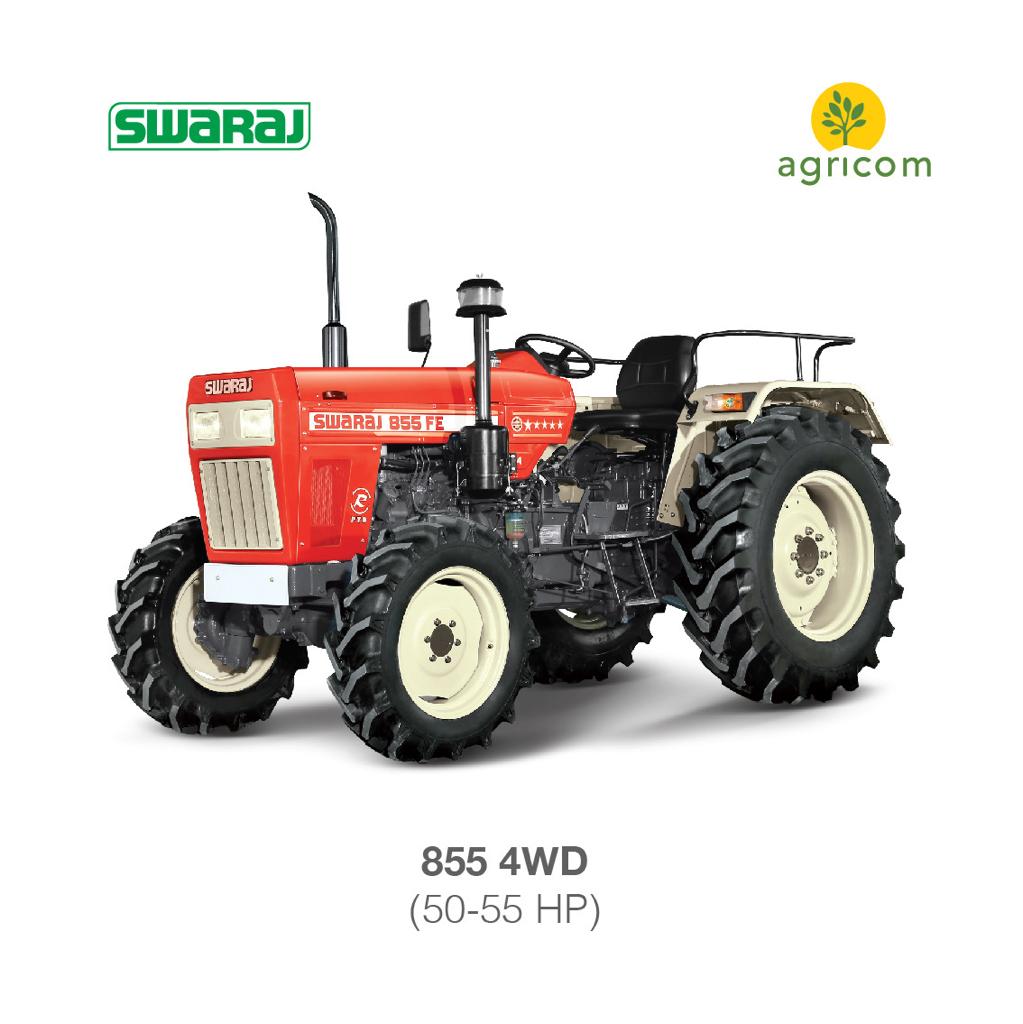
Tractor | Powers or pulls implements | Larger areas and heavier workloads |
Disc plough | Primary tillage and soil turning | Soil conditions and tractor capacity |
Disc harrow | Secondary tillage and clod breaking | Only where seedbed refinement is required |
Ripper or subsoiler | Loosens compacted layers | Where compaction justifies the operation |
Explore Agricom’s land preparation equipment guide for more detail on ploughs, harrows and other implements.
How to choose the right equipment
Choose equipment based on the work required, not only the size of the machine. Consider:
· Farm size: estimate the area and preparation time available.
· Soil condition: assess texture, moisture, compaction, slope and residues.
· Power requirements: match the implement to the tractor or power tiller.
· Operating costs: consider fuel, labour, repairs and maintenance.
· Equipment support: check spare parts and servicing options.
· Farm needs: decide whether you need primary tillage, seedbed refinement or a wider mechanisation solution.
For machinery comparisons, see Agricom’s farm implements guide.
Common maize land preparation mistakes
These mistakes can reduce the effectiveness of field preparation:
· Working soil when it is too wet, which can damage soil structure.
· Choosing unsuitable machinery, increasing costs or leaving the field poorly prepared.
· Preparing the field too late for the intended planting window.
· Over-ploughing and causing unnecessary disturbance.
· Ignoring compaction that may need targeted treatment.
· Burning all crop residues rather than considering useful soil cover.
Get the right land preparation equipment from Agricom
At Agricom, we help farmers explore mechanisation options for land preparation and other farm operations. Before choosing equipment, consider your farm size, soil conditions, required work and budget so you can identify suitable options. Browse the available machinery in our online store or contact our team with the type of implement you need and the tractor or power tiller you use.
FAQs about maize land preparation
What are the steps involved in maize land preparation?
The main steps are assessing the field, clearing weeds and obstacles, choosing a suitable tillage method, refining the seedbed where necessary and checking readiness before planting.
When should farmers prepare land for maize in Tanzania?
Timing depends on local rainfall, soil moisture and the intended planting season. Prepare early enough to arrange equipment and labour, and avoid working excessively wet soil.
Which equipment is used to prepare land for maize?
Common equipment includes hand hoes, power tillers, tractors, disc ploughs and disc harrows. The best fit depends on farm size, soil conditions, workload and tillage method.
Is tractor ploughing better than manual land preparation?
Not always. Tractors can cover larger areas more quickly when conditions and implements suit the task. Manual preparation can still work well for small plots or fields where machinery access is limited.
Conclusion
Proper maize land preparation starts with assessing the field and choosing a suitable method. Soil conditions, rainfall, farm size and available resources should guide equipment and tillage decisions. Explore Agricom’s agricultural machinery and mechanisation guidance to identify options for your farm.