
Fertilizer Handling and Safety: Safe Storage, Transport and Application
Yaani Media
Learn safer fertilizer handling in Tanzania, from storage and transport to PPE and calibrated application. Explore suitable equipment at Agricom.
Fertilizer Handling and Safety: Safe Storage, Transport and Application
Fertilizer handling requires care from delivery through storage, transportation and application. Poor handling can cause product losses, damaged packaging, contamination, worker exposure and uneven application.
Fertilizer handling is a critical part of farm activities and requires more than simply bagging the product. Fertilizers must be stored safely and securely, loaded onto transport vehicles and transported to the right locations. They should also be handled with suitable equipment and appropriate protective clothing to reduce exposure. This guide explains practical fertilizer handling and safety measures for farmers and agricultural operators in Tanzania.
If you need equipment for fertilizer application, explore Agricom’s fertilizer spreader guide and compare your farm requirements before enquiring.
What is fertilizer handling?
Fertilizer handling generally includes receiving, loading, unloading, transporting, storing, preparing and applying fertilizer. For farmers and agricultural operators, fertilizer handling in Tanzania can take place at various points, from reception and storage areas to the field where the product is applied.
The fertilizer handling process may involve:
· Receiving and inspecting fertilizer packaging.
· Loading and unloading.
· Moving fertilizer around the farm.
· Storing it in suitable conditions.
· Transporting it safely.
· Preparing it for application.
· Applying it using appropriate equipment.
Fertilizer handling requirements vary by product type, packaging, scale and manufacturer instructions. Proper handling helps preserve fertilizer quality, reduce avoidable losses and support consistent application.
Why is proper fertilizer handling important?
Improper fertilizer handling may create problems even before it reaches the field. Moisture may damage products, while unsuitable storage conditions can affect quality. Torn bags may result in losses, and improper handling may cause contamination. Good fertilizer handling safety starts with knowing the product, preparing suitable storage conditions and using appropriate equipment and protection.
Other risks include:
· Unnecessary fertilizer losses.
· Worker exposure to dust or substances that can irritate skin and eyes.
· Uneven field application.
· Environmental contamination from spills or over-application.
Farmers should follow the fertilizer label, applicable safety data sheet, manufacturer instructions and Tanzanian requirements. Certain fertilizer products require additional precautions, so general handling guidance should never replace product-specific instructions.
How to handle fertilizer safely
Loading and unloading fertilizer
Safe loading and unloading starts by checking fertilizer packaging before moving it. Handle damaged bags carefully and secure loads being transported. Suitable lifting and material-handling equipment can reduce unnecessary manual lifting where appropriate. Keep workers away from suspended loads, unstable stacks and moving equipment. Do not lift loads beyond the equipment’s rated capacity.
Moving fertilizer around the farm
Moving fertilizer between storage areas, fields and application equipment involves repeated handling. Farm trailers, loaders and other suitable equipment can reduce manual movement. Match the equipment to farm size, load weight, product type and ground conditions, and avoid dragging or puncturing bags.
Personal protective equipment
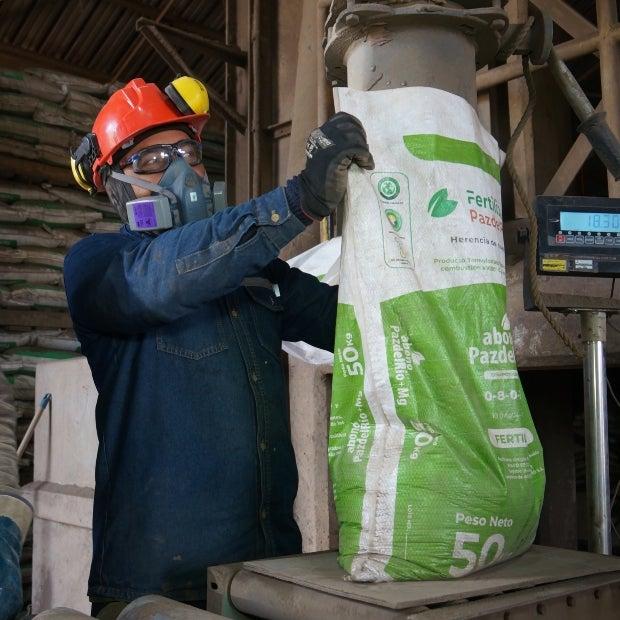
Personal protective equipment is important for safe fertilizer handling. Depending on the product and exposure risk, protective equipment may include:
· Gloves appropriate to the fertilizer product.
· Protective work clothing or an apron.
· Safety glasses or other eye protection.
· Suitable closed footwear.
· Appropriate respiratory protection where the label or exposure assessment requires it.
PPE helps reduce contact with fertilizer dust and other exposure hazards; it does not substitute for proper ventilation, safe lifting or controlled application. Check the product label and safety data sheet before selecting PPE.
How should fertilizer be stored?
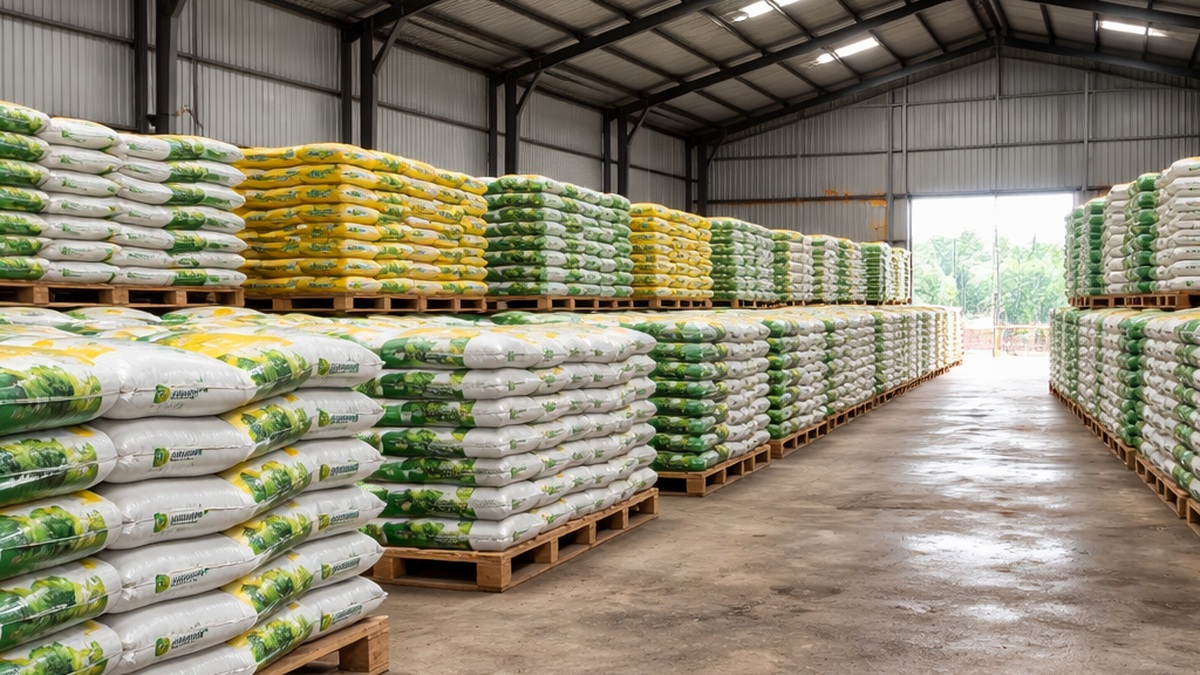
Where possible, the fertilizer storage area should be secure, dry and protected from rain or moisture. Practical storage measures include:
· Adequate ventilation and protection from direct rain.
· A clean, stable and suitably protected floor.
· Clear product labels and identification.
· Original packaging in sound condition.
· Separation from food, animal feed and incompatible materials.
· Stable stacking that prevents bags from falling.
· Security against unauthorized access and theft.
For fertilizer storage in Tanzania, farmers and operators should consider humidity, rainfall, drainage and safe access for loading and unloading. Some fertilizers have special fire, decomposition or chemical-compatibility risks. Follow the specific product’s storage instructions and any applicable Tanzania Fertilizer Regulatory Authority requirements. Keep incompatible products apart and do not assume all fertilizers can be stored together.
Fertilizer handling equipment for farms
Fertilizer handling equipment can reduce manual work and support consistent field application when selected and used correctly. Choose equipment based on your farm’s requirements rather than simply the machine’s size.
Relevant equipment may include:
· Loaders and material-handling equipment.
· Farm trailers for suitable loads.
· Fertilizer spreaders.
· Tractor-mounted application equipment.
· Other compatible farm implements.
Before selecting equipment, check your farm size, fertilizer volume and type, tractor capacity, attachment requirements, application method and field conditions. Our fertilizer spreader guide explains hopper capacity, application rates, spreading width and tractor compatibility.
How to transport fertilizer safely
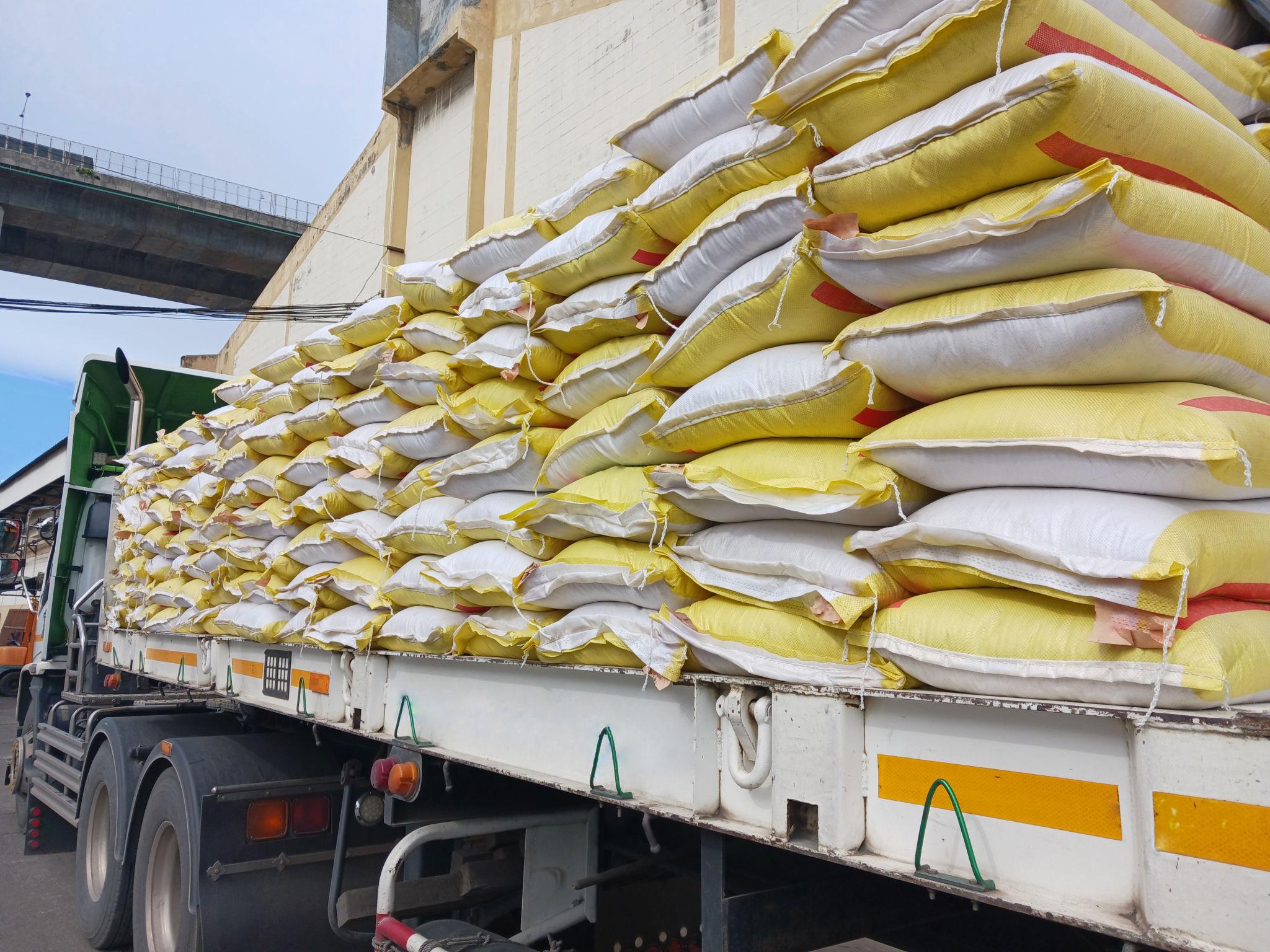
Fertilizer transport involves moving products between suppliers, farms and storage facilities. Transport arrangements should reflect climate conditions, fertilizer type, packaging and the vehicle or trailer being used.
· Inspect packages and confirm labels remain readable.
· Use a clean, dry load area and protect fertilizer against rain and moisture.
· Secure loads to prevent movement or spillage during transit.
· Keep fertilizers separate from food and incompatible cargo.
· Reduce unnecessary loading and unloading.
· Follow the product’s safety instructions for any damaged or spilled fertilizer.
Farmers in Tanzania should choose arrangements suitable for the route, road and farm conditions, vehicle capacity and fertilizer type. For bulk loads or products with special hazard classifications, additional transport rules may apply.
Fertilizer handling during application
Correct fertilizer application is important for both crop and soil management. Applying the right material at the appropriate rate and in the right place can reduce waste and avoid unintended environmental impacts.
Farmers should:
· Follow crop and soil recommendations and the product label for the application rate.
· Calibrate spreading equipment before use.
· Check that distribution is even across the intended working width.
· Match the spreader to the fertilizer’s physical form and tractor requirements.
· Avoid windy, wet or other conditions that make application unsuitable for the product or equipment.
· Keep fertilizer away from drains, watercourses and sensitive areas as instructed.
· Clean and maintain equipment according to manufacturer guidance.
For machinery selection, Agricom’s fertilizer spreaders in Tanzania guide covers spreading width, application settings, fertilizer type and tractor compatibility.
Common fertilizer handling problems and how to avoid them
Problem | Practical response |
Fertilizer gets wet | Store in protected, dry conditions and check the packaging. |
Fertilizer cakes | Minimize moisture exposure and follow product storage instructions. |
Bags tear | Use suitable handling methods and inspect loads before movement. |
Products become contaminated | Keep storage and transport areas clean and separate incompatible materials. |
Uneven application | Calibrate and inspect spreading equipment. |
Excessive dust | Follow the label and use suitable engineering controls and PPE. |
Fertilizer spills during transport | Secure the load and follow product-specific spill instructions. |
These measures help address common problems, but fertilizer storage, spill response and handling requirements can differ by product. Follow the label and manufacturer’s safety instructions.
Fertilizer handling best practices for Tanzanian farmers
Proper storage and careful handling can reduce avoidable losses and contamination. Before each handling task:
· Check the fertilizer label, packaging and product condition.
· Keep fertilizer dry and secure in storage and during transport.
· Follow the manufacturer’s handling and compatibility instructions.
· Use the required PPE and safe lifting practices.
· Select handling equipment suited to the load.
· Keep storage and application areas clean.
· Separate incompatible products and protect water sources.
· Calibrate application equipment before field use.
Following these steps can make fertilizer handling in Tanzania more organized and support safer storage, movement and field application.
Why should you choose Agricom for fertilizer handling equipment?
At Agricom, we can help you compare farm machinery and implements by considering your farm size, crops, fertilizer application needs, tractor specifications and field conditions. Suitable tractors, trailers, loaders and fertilizer spreaders can form part of a practical mechanized farming system, depending on your operation and available equipment.
Not sure what you need for fertilizer handling? Contact Agricom with your farm size, tractor model, fertilizer type and application requirements so our team can discuss relevant equipment options.
FAQs about fertilizer handling
What is fertilizer handling?
Fertilizer handling includes receiving, storage, transfer, transportation, preparation and application, from delivery through to field use.
How should fertilizer be stored?
Store fertilizer in clean, secure, suitably dry and protected conditions. Keep incompatible materials separate and follow the product’s storage instructions.
What PPE is needed when handling fertilizer?
Depending on the product, PPE may include gloves, protective clothing, eye protection, closed footwear and respiratory protection where required by the label or exposure risk.
How do you transport fertilizer safely?
Inspect and secure packaging, protect the load from moisture, prevent contamination and follow any product-specific transport requirements.
What equipment is used to handle fertilizer?
Depending on the farm and product, equipment may include loaders, trailers, tractors and fertilizer spreaders.
How can farmers reduce fertilizer losses during handling?
Use dry, suitable storage; careful loading; secure transport; appropriate handling equipment; and calibrated application equipment.
Conclusion
Proper fertilizer handling protects the product, workers and the wider farming operation. Safe storage, careful transport, suitable PPE and calibrated application can also help reduce avoidable losses. If you need equipment for fertilizer handling, transport or application, contact Agricom with details of your farm and machinery requirements.