
Vegetable Farming Equipment in Tanzania: Machinery, Tools, Prices & Buying Guide
Yaani Media
Discover vegetable farming equipment in Tanzania including tractors, power tillers, irrigation systems, sprayers and planting tools. Learn uses, selection tips and where to buy.
Vegetable Farming Equipment in Tanzania: Machinery, Tools, Prices & Buying Guide
Vegetable farming equipment refers to tools and machinery that make vegetable-production tasks more efficient. The equipment ranges from basic hand tools to power tillers, irrigation systems and boom sprayers. Usage depends on the steps involved, farm size, crop type, water availability and more.
Getting vegetable farming equipment in Tanzania is a necessity for farmers who want to reduce manual work and handle field operations more efficiently. Here at Agricom, we supply reliable equipment for land preparation, planting, crop care, irrigation, harvesting and handling. This guide explores the types, uses and buying considerations for vegetable production tools. For the wider machinery picture, see our agricultural mechanization in Tanzania guide.
Shop farm equipment in Tanzania from Agricom.
What equipment is needed for vegetable farming?
Equipment for vegetable farming is categorised based on the production stage. It ranges from handheld implements to mechanised solutions. This includes hoes, power tillers, seeders, transplanters, knapsack sprayers and irrigation systems. Here are common tools used at each stage of vegetable farming:
Equipment category | Examples | Purpose |
Land preparation | Tractors, power tillers, rotary tillers, disc harrows, ridgers, hoes and shovels | Prepare soil, seedbeds, ridges and raised beds |
Nursery and planting | Seed trays, seeders, vegetable planters, transplanters and fertiliser applicators | Raise seedlings, place seed and maintain consistent spacing |
Irrigation | Water pumps, drip systems and portable sprinklers | Supply water during dry periods and manage crop water needs |
Crop protection | Knapsack sprayers, boom sprayers and dusters | Apply crop-protection products where appropriate |
Cultivation | Hand hoes, inter-row weeders, cultivators and power tillers | Weed control, shallow soil cultivation and aeration |
Harvesting and handling | Knives, shears, crates, carts, farm trailers and packing equipment | Harvest, move, sort and prepare produce for market or storage |
Types of vegetable farming machinery and tools
Land preparation equipment for vegetables
Proper vegetable land preparation involves tillage and seedbed preparation. Vegetable farm tillage can create a firm seedbed or raised beds for mulching, manure and organic matter application. No-till or reduced-tillage systems may also be used where they suit the crop and field conditions. Key land preparation equipment includes:
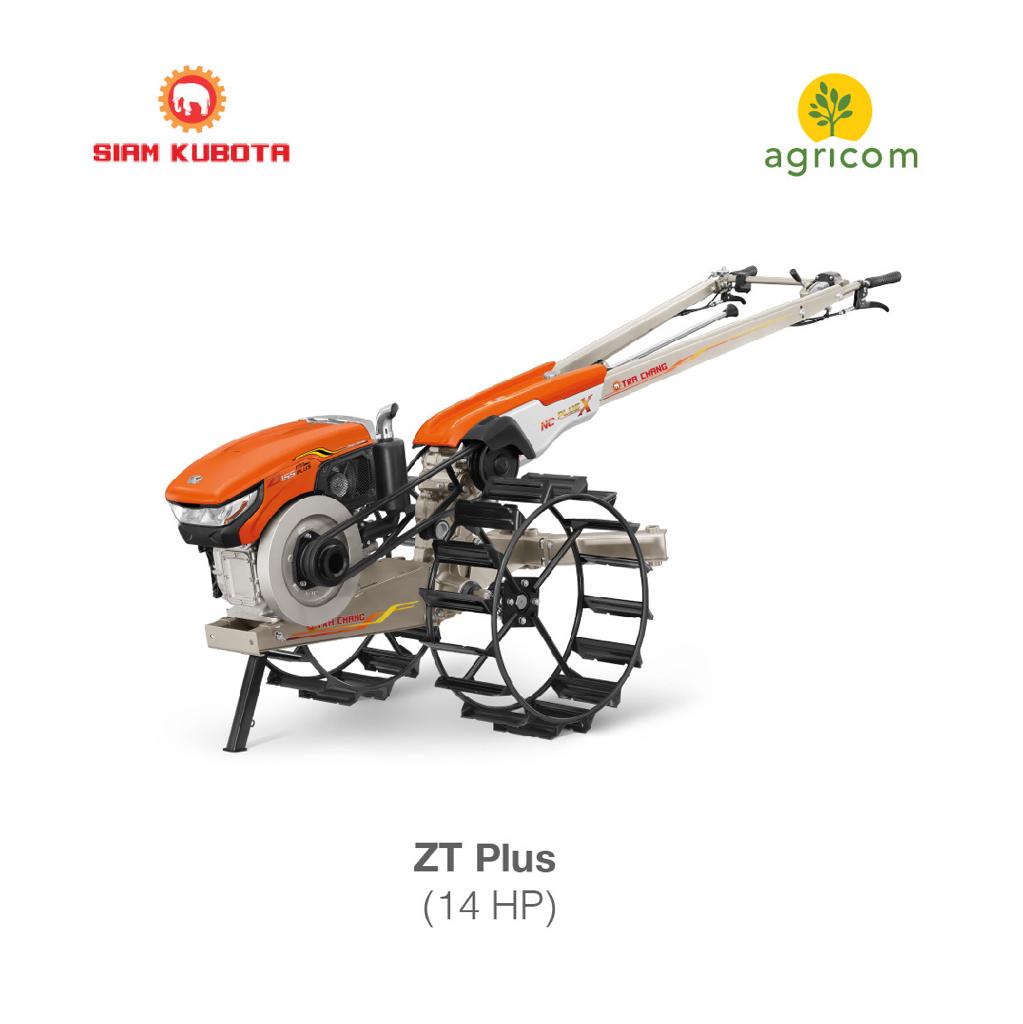
· Tractors and power tillers: Used to operate farm implements and power some stationary processes such as water pumping.
· Ploughs: Chisel or mouldboard ploughs are used in primary tillage. Chisel ploughs generally disturb less soil than mouldboard ploughs.
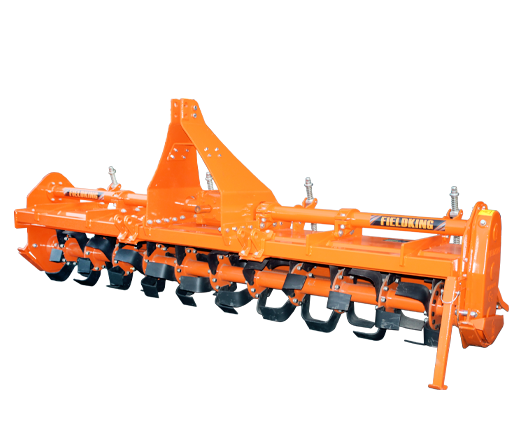
· Rotary tillers or rotavators: Used during secondary tillage to break up soil and prepare a finer seedbed before planting or transplanting.
· Harrows: Disc harrows are commonly used after primary tillage to break clods and improve the seedbed.
· Cultivators: They disturb the soil's upper layer and can help create a cleaner, aerated seedbed.
· Land levellers: Used to smooth the field and support more uniform seed depth and water distribution.
· Bed-forming and furrowing implements: Bed formers create raised beds, while furrowers create ridges or planting channels. Some specialised systems can also lay plastic mulch and drip line in one pass.
For a deeper breakdown of ploughs, harrows, levellers and tillage tools, read our land preparation equipment in Tanzania guide.
Planting and transplanting equipment
Vegetable planting options include direct seeding and transplanting. Some crops are commonly direct-seeded, while crops such as tomatoes, onions, cabbage, kale and chilli peppers are often raised as seedlings and transplanted. The method depends on the crop, farm system and production scale. Common vegetable planting equipment includes:
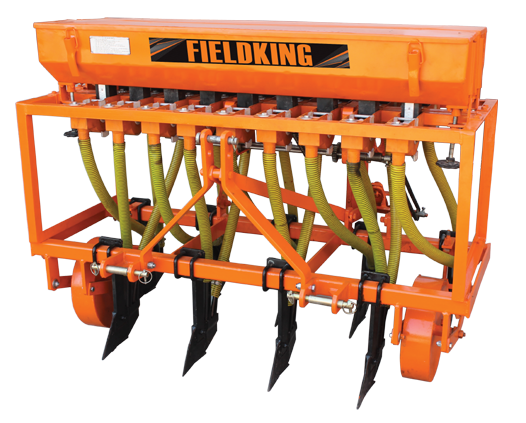
· Seed drills and precision seeders: Used in direct seeding to place seeds more uniformly at a selected depth and spacing.
· Planters: Mechanical or pneumatic planters meter seed into rows. The correct model depends on seed size and spacing requirements.
· Vegetable transplanters: Mechanical transplanters set seedlings into the soil, especially on larger farms. Water-wheel transplanters can create planting holes for manual setting.
· Nursery and seedling tools: Seed trays, nursery benches, watering tools and other seedling accessories help raise uniform transplants before field planting.
· Planting accessories: Plastic mulch, drip line and other crop-specific accessories can be used depending on the production system.
Farmers comparing sowing equipment can also read our seed drills in Tanzania guide.
Irrigation equipment for vegetable farming
Irrigation systems supply water to vegetables in dry areas or seasons. Common forms of vegetable irrigation include overhead and drip irrigation. The tools used vary by acreage, water source, crop requirements and field layout. Common equipment includes:
· Water pumps: They move water from a source into the irrigation system. Choose a pump based on water source, required flow, pressure, run time and available power.
· Drip systems: They apply controlled amounts of water close to the crop root zone. A complete system can include pumps, filters, fertiliser injectors and distribution lines.
· Sprinklers: Used in overhead irrigation to distribute water above the crop or soil surface. They can be useful for germination and wider field coverage.
· Irrigation accessories: Filters, valves, fittings, couplings, pressure regulators and fertiliser injectors help the system operate consistently.
Vegetable crop protection equipment
Crop protection involves applying approved crop-protection products safely and at the correct rate. Nozzles, spraying patterns and droplet size vary by crop, product and growth stage. Always follow the product label and wear appropriate protective gear when handling or spraying chemicals. Common tools include:
· Knapsack sprayers: Used to apply liquid pesticides, fungicides or herbicides on smaller plots where manual application is practical.
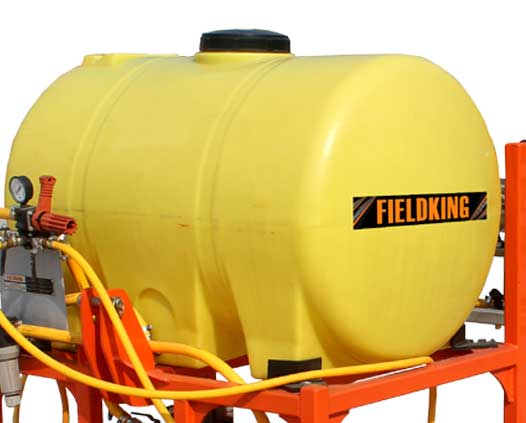
· Boom sprayers where appropriate: Tractor-mounted applicators can cover larger commercial fields more efficiently when field layout and crop spacing allow.
· Dusters: Used to apply crop-protection products formulated as dry powders.
For more on sprayer types, nozzles, safety and selection, see Agricom's crop protection equipment guide.
Cultivation and weed-management equipment
This includes equipment used to remove weeds and cultivate the soil between crop rows. The tools should match the crop spacing and should be used carefully to avoid damaging vegetable roots. Common tools include:
· Cultivators: Mounted or trailed implements can till shallowly between vegetable rows.
· Inter-row cultivation equipment: Used to cut or uproot weeds between established crop rows.
· Hand tools for smaller plots: Hand hoes and similar tools are useful for weeding, bed shaping and work around plants.
· Power tillers: Can operate compatible implements for shallow cultivation and weeding on smaller farms.
Harvesting and produce-handling equipment
Vegetable harvesting equipment is used to cut, collect and transport produce to washing, packing, storage or market points. The exact equipment depends on the crop and farm scale. Common tools include:
· Harvesting tools: Knives, shears, forks and crop-specific hand tools are used for cutting or lifting vegetables.
· Farm trailers: Used to haul produce, crates and farm materials from the field.
· Produce-handling tools: Carts, wheelbarrows, crates and baskets help reduce repeated manual carrying.
· Sorting, washing and packing equipment: Tables, washers, grading equipment and packing lines can support larger operations.
· Cooling and storage equipment where needed: Perishable vegetables may require shaded holding areas, cold rooms or other cooling systems to maintain quality after harvest.
How to choose vegetable farming equipment in Tanzania
Consider your farm size
Size influences the type, number and configuration of vegetable farming equipment. Large farms may justify tractors and higher-capacity implements to streamline tasks. Smallholder farmers can combine manual labour with machines such as power tillers, pumps or sprayers where they reduce the most work.
If you are deciding between two-wheel and four-wheel power, compare the differences in our power tiller vs tractor guide.
Consider the vegetable crop
Every vegetable crop has its own spacing, planting method, canopy height and harvesting needs. These differences affect the size and configuration of seeders, transplanters, cultivators, sprayers and harvesting tools. Choose equipment that matches the crops you actually plan to grow rather than buying a machine only because it has a higher capacity.
Consider soil and field conditions
Soil properties such as texture, moisture and drainage affect equipment choice. Heavier soils may require greater traction or power depending on the implement and tillage depth. Field slope, access, turning space and bed layout also matter. For example, power tillers can access smaller spaces more easily than large tractors.
Consider water availability
Growing vegetables during dry periods requires a reliable water source and an irrigation plan. Consider water quantity, distance from the field, pumping requirements, filtration and the irrigation method before buying pumps, sprinklers or drip equipment.
Check tractor and implement compatibility
The implement should match the tractor or power unit. Check horsepower, PTO requirements, hitch category, hydraulic needs, working width and the implement manufacturer's recommendations before buying.
Consider maintenance and spare parts
Maintenance and spare-parts availability affect equipment downtime and useful life. Check whether service support, warranty terms and replacement parts are available before buying. Agricom's after-sales services include maintenance support for agricultural machinery.
Vegetable farming equipment by farm size
Here is a simple guide to common machinery priorities by farm scale:
Farm scale | Likely priority equipment | Selection approach |
Smallholder | Hand tools, power tiller, basic irrigation, knapsack sprayer and cultivation tools | Prioritise versatility, affordability, ease of repair and equipment that removes the biggest labour bottleneck |
Medium-scale | Tractor and implements, irrigation, planting and crop-protection equipment | Match machinery to acreage, crop spacing and workflow; compare ownership with hiring for occasional heavy work |
Commercial | Tractor fleet or higher-capacity power units, specialised implements, irrigation and produce-handling systems | Prioritise capacity, uptime, operator support, parts and service access |
What to check before requesting a quotation
1. Check the size of your farm and the main tasks you want to mechanise.
2. Determine your main vegetable crops and planting methods.
3. Confirm whether you are direct-seeding, transplanting or using both methods.
4. Check soil and field conditions. What is your soil type? Is the farm sloped or difficult to access?
5. Consider the availability, quality and accessibility of your water source.
6. If you own a tractor or power unit, record its horsepower, PTO, hitch and hydraulic specifications.
7. Confirm which implement or equipment category you need.
8. Estimate the operating capacity or working width you expect.
9. Set a realistic budget range.
10. Consider delivery costs and access to your farm location.
11. Confirm warranty, spare parts, maintenance and after-sales support.
For large machinery purchases, the final quote can vary with horsepower, specifications, implements and delivery. Read our tractor price in Tanzania guide for the main factors that affect equipment quotations.
Why equipment selection matters for vegetable production
· Proper use of tillage equipment can help farmers prepare fields on time.
· Seeders and planters can improve consistency in seed depth and spacing when matched correctly to the crop.
· Drip or overhead irrigation systems can improve control over water application.
· Sprayers and cultivation tools help manage pests, diseases and weeds when used correctly.
· Farm machinery such as tractors and power tillers can reduce repetitive manual work.
· The right equipment makes it easier to plan farm operations around planting, crop care and harvest windows.
Agricom's agricultural equipment solutions in Tanzania
Agricom is a vegetable farm machinery supplier in Tanzania with equipment and support across different stages of farm production. For exact quotes and current availability, call +255 699 997 998 or use Agricom's contact page.
· Our in-house team can help you compare equipment based on the farm task, power requirements and operating conditions.
· We offer after-sales service for machinery purchases such as tractors.
· Agricom stocks equipment for several stages of vegetable farming, including land preparation, planting and crop protection.
· Financing options are available through Agricom's financial partners for eligible machinery purchases.
· Agricom's online store includes agricultural equipment and available spare parts.
Contact Agricom to request a vegetable-farming equipment quotation.
FAQs about vegetable farming equipment
What is the best machine for preparing land for vegetables?
The best machine depends on farm size, soil type, moisture, field access and the seedbed you need. Common choices include power tillers, tractors, ploughs, disc harrows and rotavators. Small farms may benefit from a power tiller, while larger farms can require a tractor with compatible implements.
What equipment is used for planting vegetables?
Planting equipment depends on whether the crop is direct-seeded or transplanted. Seed drills, precision seeders and planters can place seed more uniformly. Mechanical or water-wheel transplanters are used for seedlings, while trays and nursery tools are needed before transplanting.
What irrigation equipment is suitable for vegetable farming?
Vegetable irrigation equipment includes water pumps, drip systems and sprinklers. Drip systems apply water close to the root zone, while sprinklers distribute water over a wider area. The best choice depends on the crop, water source, pressure requirements, field size and budget.
Should I buy or hire vegetable farming equipment?
Consider how often you will use the equipment, the cost of ownership, maintenance, available operators and whether hiring is practical in your area. Smallholder farmers can hire machinery for occasional heavy work while buying frequently used tools. Medium and large farms should compare hiring costs with long-term ownership.
What equipment does a small vegetable farm need first?
Start with equipment that solves the biggest production bottleneck. Common priorities include hand tools, a power tiller or access to tractor services, a reliable water pump or irrigation system, a knapsack sprayer, cultivation tools and crates for harvesting.
Conclusion
Vegetable farming equipment in Tanzania needs vary depending on farm size, crop type, soil conditions, water access and the level of mechanisation required. To avoid mismatches, compare the task, power requirements, field conditions, maintenance needs and available support before buying. Agricom supplies farm machinery and equipment across different stages of vegetable production. Contact Agricom for current availability and a quotation.