
Agricultural Mechanization in Tanzania: Machinery, Benefits & Guide
Yaani Media
Learn about agricultural mechanization in Tanzania, including farm machinery, key benefits, challenges and how to choose the right equipment for your farm.
Agricultural Mechanization in Tanzania: Machinery, Benefits & Guide
Agricultural mechanization refers to the replacement of human and animal muscle power with mechanical power in farming operations. The shift enables farmers to work faster and more efficiently. This transformation covers all the levels of farming and processing technologies, therefore improving productivity and overall agricultural operations.
The main objective of introducing agricultural mechanization is to reduce human effort, improve quality, and shorten operation timelines. These farm machines have different roles, which include land preparation, planting, crop management, and harvesting. Here, we have covered the definition, reasons, types, and how to choose the best farm machines for your farm.
Ready to improve your farming operations? Contact Agricom to find the right agricultural machinery for your farm in Tanzania.
What is agricultural mechanization?
Agricultural mechanization refers to the use of tools, implements, and farm machinery for various agricultural tasks. These machines can either reduce or replace human labor, which is slow and less productive. Among the roles they play are land preparation, planting, crop care, harvesting & processing, and post-harvest handling, such as storage and transport. Some of the crucial machinery includes tractors, planters, power tillers, harvesters, and sprayers.
Read Also: Fieldking FKTMS-550 Boom Sprayer- Specifications, Features, and Price
Why is agricultural mechanization important in Tanzania?
Embracing farm mechanization offers many advantages for farmers, such as increased crop yields and reduced post-harvest losses. Here are the benefits of agricultural mechanization.
Since they are fast, they help farmers plant and weed at the right time, which plays a key role in increasing crop outputs.
Unlike human labor, which is prone to fatigue, the right farm machines help farmers cultivate large areas of land.
With the availability of modern processing and harvesting machines, farmers experience less waste.
This also helps reduce the heavy physical burden on human workers who perform a large share of farm tasks.
Tanzania's agricultural mechanization strategy 2026–2036
The National Agricultural Mechanization Plan, launched by Prime Minister Mwigulu L. Nchemba, aims to promote mechanized farming in Tanzania. Initiated in February 2026, the strategy aims to acquire 10,000 tractors, set up 1,000 service centers, and empower youth and women. Here it's Tanzania's National Agricultural Mechanization Strategy framework.
The alignment - The strategy is backed by the Food and Agriculture Organization (FAO) and the African Union through the F-SAMA framework.
The strategies support systems: Instead of just delivering equipment, the plan emphasizes local maintenance, a spare parts supply chain, and operator skills.
Livestock and crop focus - This strategy aims to integrate farm equipment for both crop cultivation and livestock production systems.
Types of agricultural machinery used in Tanzania
The modern farming equipment used in Tanzania ranges from basic hand tools to heavy farming machines. The table below lists the various types of agricultural machinery used by Tanzanian farmers.
Agricultural machinery | Where it ranges | Main use |
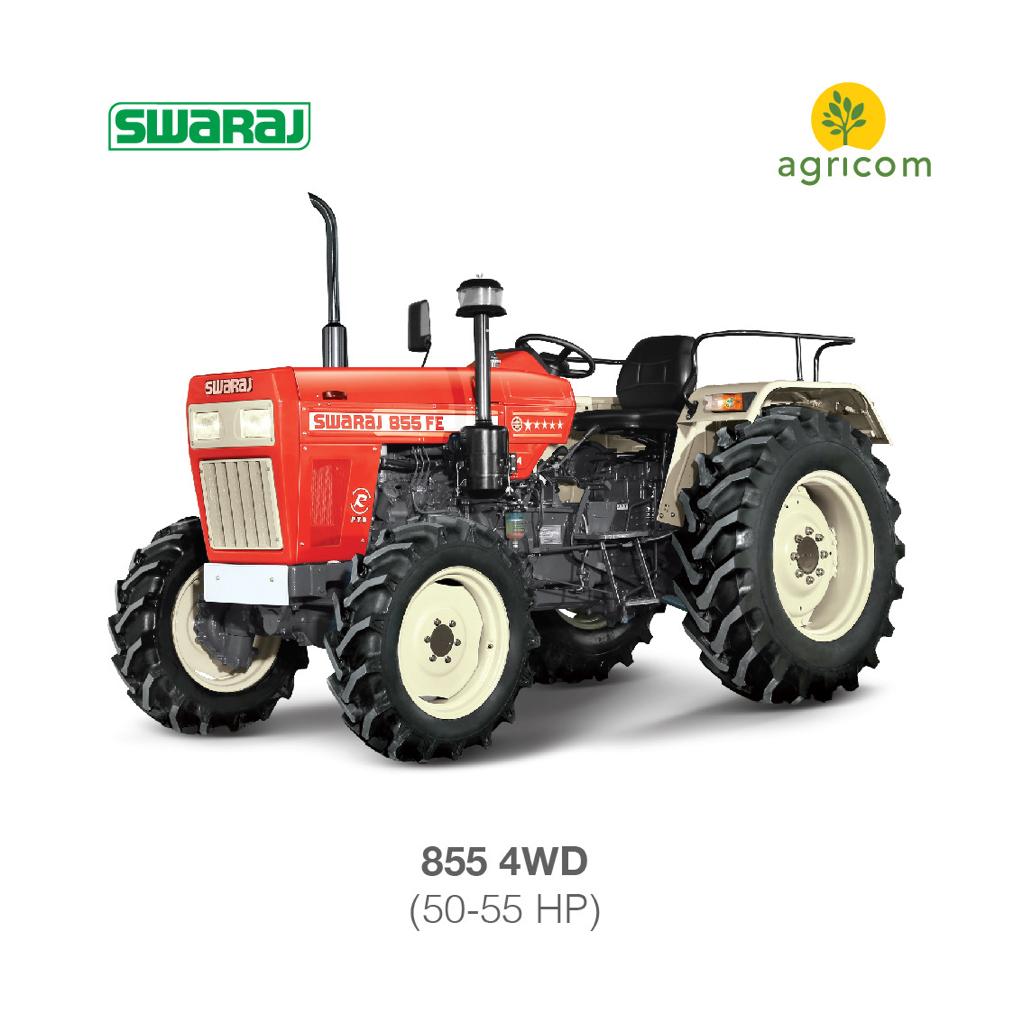
Tractors | Small, medium, and large farms; 2WD and 4WD models | Land preparation, pulling implements, planting, spraying, harvesting, and transportation |
Power tillers | Smallholder farms, rice fields, and areas with smaller plots | Ploughing, seedbed preparation, weeding, ridging, and light transportation |
Disc ploughs | Small to large farms, especially hard and uncultivated soils | Primary tillage, soil turning, and breaking up compacted soil |
Mouldboard ploughs | Small and commercial farms | Turning and loosening soil during primary land preparation |
Smallholder and commercial farms | Breaking soil clods, levelling fields, and preparing seedbeds | |
Cultivators | Small to large crop farms | Secondary tillage, weed control, and incorporating crop residues |
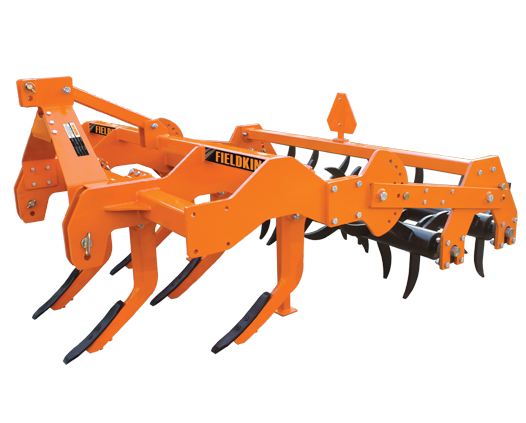
Rippers/Subsoilers | Farms with compacted or hard soils | Deep soil loosening and breaking hardpan layers |
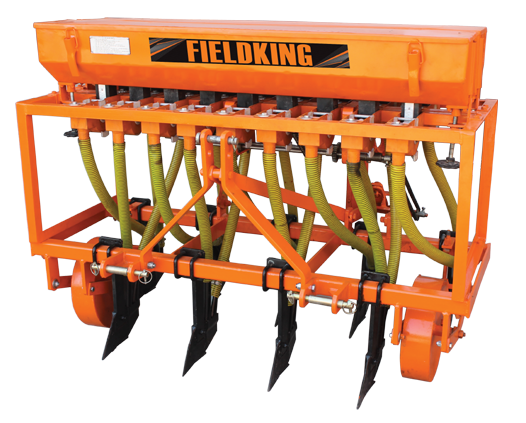
Planters and seed drills | Mechanised smallholder and commercial farms | Planting seeds at controlled depths and spacing |
Small, medium, and large farms | Even application of granular fertilisers across fields | |
Boom sprayers | Crop farms ranging from small to large-scale operations | Applying pesticides, herbicides, fungicides, and liquid fertilisers |
Combine harvesters | Large commercial farms and major grain-producing areas | Cutting, threshing, and separating grain crops such as maize, wheat, and rice |
Reapers | Grain-producing farms, particularly cereal farms | Cutting mature crops before threshing |
Threshers | Smallholder and commercial farms | Separating grain from harvested crops such as maize, rice, and wheat |
Maize shellers | Smallholder farms and grain-processing operations | Removing maize kernels from cobs |
Trailers | Smallholder, commercial, and mixed farming operations | Transporting crops, inputs, equipment, and other farm materials |
Irrigation pumps | Irrigated farms, horticultural farms, and areas with limited rainfall | Pumping water from rivers, wells, dams, and other sources for irrigation |
Sprinkler irrigation systems | Horticulture, field crops, and medium-to-large farms | Distributing irrigation water over crops |
Drip irrigation systems | Horticulture, vegetable, and high-value crop farms | Delivering water directly to the root zone while reducing water wastage |
Grain dryers | Grain-producing farms, cooperatives, and post-harvest facilities | Reducing grain moisture for safer storage |
Farms, cooperatives, and grain-processing facilities | Removing impurities and sorting harvested grain |
Benefits of agricultural mechanization for farmers
Faster farm operations
Compared to the human work force, farm mechanization speeds up the rate at which work is done. This high farming speed ensures farmers complete farming operations in shorter periods. For instance, with agricultural equipment, farmers can plant at the right time of the season.
Reduced labour pressure
Farm implements reduce overreliance on manual labour, especially during peak seasons. This is made possible by replacing heavy physical exertion with mechanical power. For example, instead of using the snapsnacks sprayer for herbicides, farmers use tractor-drawn sprayers, which are more efficient and require less human power.
Improved farm efficiency
The high precision and speed of farming machines help farmers significantly increase productivity. After enlarging them, the coordination remains very simple. A good example is the availability of tractors in Tanzania, which enables farmers to transition from small-scale to commercial farming without undue pressure.
Better harvest management
After cultivating the great lands and increasing production levels, farmers have an easier time managing their produce. Harvest management encompasses not only harvesting and transportation but also the storage of farm outputs. Examples of farm equipment that make harvest management simple include tractors and combine harvesters.
Challenges of agricultural mechanization in Tanzania
Although agricultural machinery in Tanzania has many benefits, it faces critical challenges. The high purchasing and operational costs are among the key barriers to this transition. Here are the main challenges facing farm mechanization in Tanzania.
● The prices of buying and maintaining these machines are very high for Tanzanian farmers.
● Farmers also face limited access to formal financing options, such as banks and other institutional lenders, for securing agricultural loans.
● Since spare parts are hard to get locally, they are more costly, especially for farmers in rural areas.
● Fuel and other essential operating costs continue to fluctuate, and operational costs remain very high for farmers.
● For farmers in rural areas, having access to a certified mechanic for a quick diagnosis and repair of advanced farming equipment is essential.
Read Also: Fieldking FKAT2WT-E-9T: 9-Ton Hydraulic Tipping Trailer.
How to choose the right agricultural machinery
Getting the right agricultural machinery depends on critical factors such as farm size, operations, and crop type. Here is a guide for Tanzanian farmers on how to get the right farm machines.
● Before buying any farm machinery, always keep your farm size in mind so you get implements that will serve you well.
● Since different machines are designed to handle various crops and livestock, it is very important to keep in mind the crops or livestock you intend to farm.
● Also, the farming terrain and soil conditions are another crucial point to check.
● Before you purchase a machine, first check how often you can get spare parts for it to avoid the extra costs of importing them.
● Another vital, underrated point is after-sales support; normally, check what benefits come with buying a machine from a certain shop. Some will offer you free services for the first year or a warranty, which is very important.
Why choose Agricom for agricultural mechanization in Tanzania?
Working with Agricom for your agricultural mechanization in Tanzania offers many benefits. Here are the reasons why working with Agricom is the best choice.
● We have quality and durable farm implements perfectly suited to Tanzanian local farming environments.
● We have partnered with financial institutions like NMB, PASS Trust, and CRDB to make Tanzania's mechanization dream a reality.
● Once farmers buy from us, we have a dedicated team of technicians set to offer free maintenance for the first two months.
● We encourage agribusiness by supplying a range of farm implements in Tanzania and providing farmers with farming advice.
● We ensure transparent pricing, helping farmers feel safe around our shops.
● For easy accessibility, we have multiple shops across Tanzania, helping farmers access our products from various parts of the country.
● We also have a fully functional online store that enables farmers to purchase farm implements from the comfort of their homes.
FAQs about agricultural mechanization
What is agricultural mechanization?
Agricultural mechanization refers to the use of farm machinery and technology to perform various farming activities, such as land preparation, planting, and crop maintenance.
Why is agricultural mechanization important in Tanzania?
Agricultural mechanization is important because it helps increase productivity, reduce overreliance on manual labour, and provide the necessary support for commercial farming.
What machinery is used in agricultural mechanization?
The common farm machinery includes:
● Tractors
● Power tillers
● Planters
● Sprayers
● Harvesters
● Threshers
Is agricultural mechanization suitable for smallholder farmers?
Yes. Smallholder farmers really need farming machinery to make their work easier and improve the quality of their farming.
Conclusion
For both large-scale and small-scale farmers looking to adopt agricultural mechanization in Tanzania, our wide selection of implements is here for you. We have quality tractors, harvesters, planters, sprayers, and other farm implements. Don’t wait to mechanize your farm to improve productivity today with Agricom’s quality-proven farm implements.
Visit one of the Agricom shops today to discuss your agricultural machinery and mechanization needs.