
Wheat Farming Equipment in Tanzania: Types, Uses and Buying Guide | Agricom
Yaani Media
Explore wheat farming equipment in Tanzania for land preparation, sowing, crop protection, harvesting and post-harvest work, plus practical buying tips from Agricom.
Wheat Farming Equipment in Tanzania: Types, Uses and Buying Guide | Agricom
Get reliable wheat farming equipment in Tanzania at Agricom. We supply farm machinery for land preparation, planting, crop protection, harvesting, transport and post-harvest work. Common wheat-production equipment includes tractors, ploughs, seed drills, sprayers, combine harvesters, threshers and farm trailers.
The right wheat farming equipment can make field operations more timely and consistent while reducing dependence on slow manual work. The best machinery depends on your farm size, soil, field conditions, tractor or power-unit specifications, workload and budget.
Visit the Agricom Online Store to compare current equipment categories, or contact Agricom for specifications, availability and a quotation.
Common equipment for wheat farming
Farming stage | Equipment examples | Main purpose |
Land preparation | Tractor, plough, disc harrow, rotary tiller, cultivator, land leveller | Prepare and level the field and create a suitable seedbed |
Planting | Seed drill, grain seeder, fertiliser applicator | Place seed and, where supported, fertiliser at controlled rates and depth |
Crop protection | Knapsack sprayer, boom sprayer, tractor-mounted sprayer | Apply approved crop-protection products at the required rate |
Weed management | Cultivator or inter-row weeding equipment where appropriate | Support mechanical weed control where the production system allows |
Harvesting | Combine harvester with suitable grain/wheat configuration | Cut, thresh, separate and clean grain in one harvesting operation |
Transport | Farm trailer | Move seed, fertiliser, equipment and harvested grain |
Post-harvest | Thresher, cleaner, dryer and storage equipment | Separate, clean, dry and protect grain after harvest |
ALSO READ: Agricultural Machinery in Tanzania: Types, Uses and Buying Guide
Best machinery for each stage of wheat production
Equipment for preparing land for wheat
Preparing land for wheat involves creating a firm, even seedbed with suitable drainage, moisture and soil structure. Avoid using one fixed tillage depth or soil pH as a universal rule. Soil testing, field conditions and local agronomic recommendations should guide liming, tillage and seedbed preparation.
Useful land preparation equipment includes:
· Ploughs: Disc, mouldboard or chisel ploughs can be used for primary tillage depending on the farming system, soil, residue, working depth and tractor power.
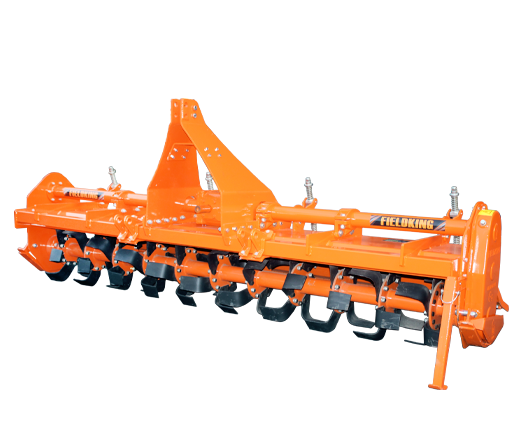
· Rotary tillers or rotavators: Used for secondary tillage and seedbed preparation where the soil and farming system justify a finer tilth.
· Disc harrows: Used after primary tillage to break clods and improve the seedbed. Their suitability depends on the tillage system and the amount of soil disturbance required.
· Cultivators: Can be used for shallow cultivation, final seedbed preparation and weed-management work depending on the crop stage and implement.
· Land levellers: Smooth and level the field to support more even planting depth and field operations.
· Rollers or packers where appropriate: Used to consolidate a loose seedbed and improve seed-to-soil contact.
· Tractors and power units: Used to pull, mount or power compatible tillage, planting, spraying and transport equipment.
Wheat planting equipment
Proper seed placement helps support uniform emergence. The correct sowing depth depends on soil moisture, variety, soil texture and local agronomic guidance, so farmers should calibrate the drill and follow seed and equipment recommendations rather than relying on one fixed depth.
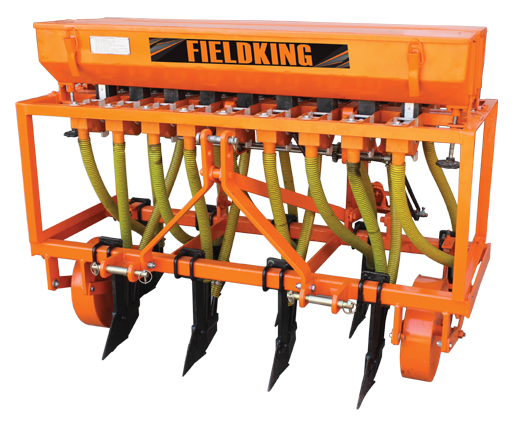
· Seed drills and grain seeders: Meter wheat seed and place it at a selected depth and spacing. Some machines can also apply fertiliser in the same pass.
· Planters or multi-crop seeders: Meter seed into rows using mechanical or pneumatic systems where the machine is suitable for wheat or small grains.
· Fertiliser applicators: Apply fertiliser at the required rate either separately or as part of a combined seeding/fertilising operation where the equipment supports it.
Equipment for wheat crop protection
Crop-protection work requires correctly selected and calibrated spraying equipment. Always follow the product label, use appropriate protective equipment and match nozzles, pressure, droplet size and application rate to the product and crop stage.
· Knapsack sprayers: Portable tools for targeted or smaller-area applications where manual spraying is practical.
· Boom sprayers: Tractor-mounted or trailed systems that can cover wider wheat fields more efficiently when properly calibrated.
· Dusters: Used only where an approved crop-protection product is formulated for dry-powder application.
Equipment for harvesting and handling wheat
Harvesting wheat at the right time helps reduce avoidable grain loss and quality deterioration. The equipment should match the crop condition, field size, harvesting method and required capacity.
Common options include:
· Combine harvester: With the correct grain header and crop settings, a combine can cut, thresh, separate and clean wheat in one pass. Follow the operator manual for header, threshing, sieve and grain-loss settings.
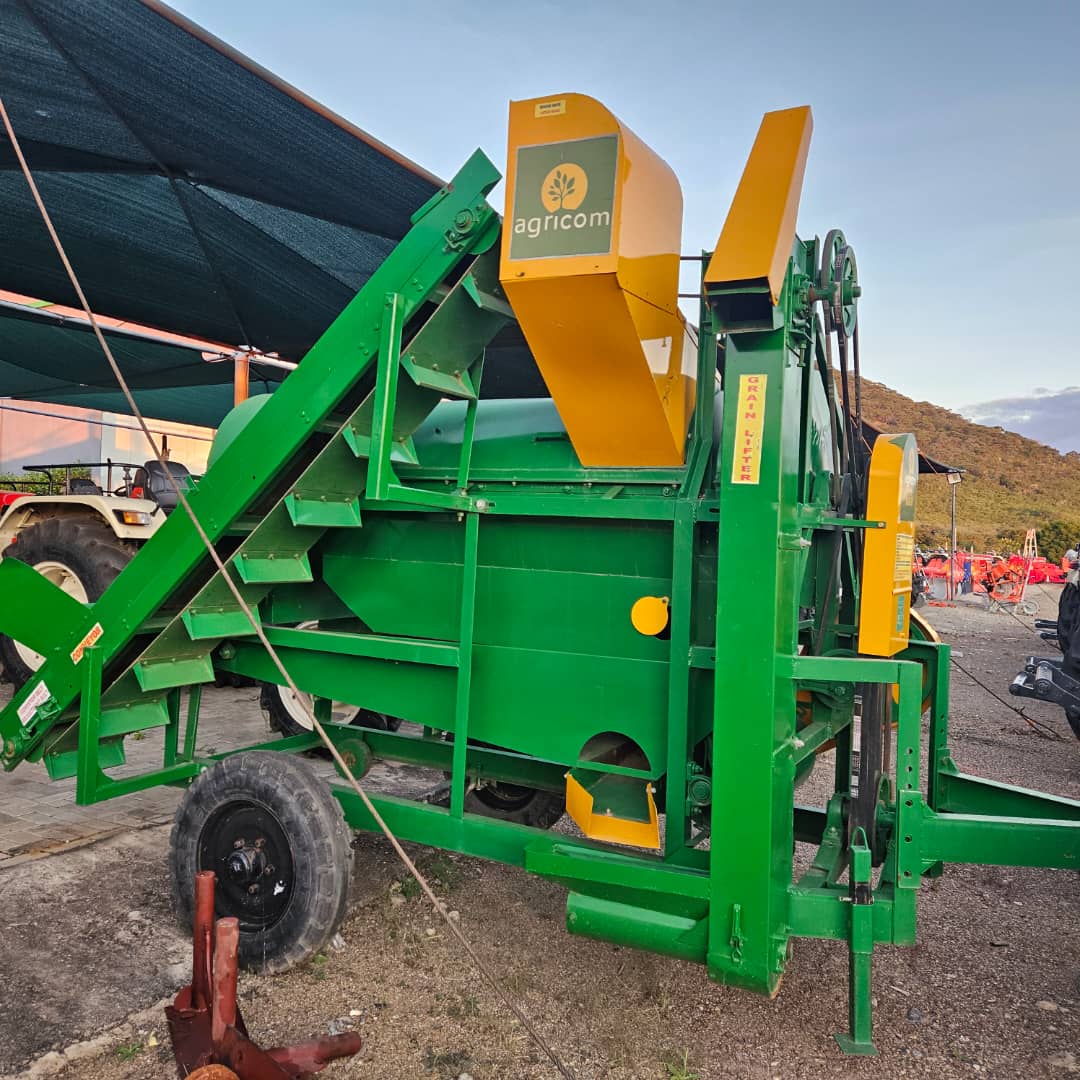
· Threshers: Multi-crop or wheat-compatible threshers separate grain from harvested plant material. Use the machine only for crops and settings approved by the manufacturer.
· Farm trailers: Used to move harvested wheat, seed, fertiliser, tools and equipment between the field, storage and processing points.
ALSO READ: Combine Harvester Maintenance: Daily Checklist, Schedule & Troubleshooting and Threshing Equipment in Tanzania: Types, Uses, Prices & Buying Guide.
How to choose wheat farming equipment in Tanzania
Match equipment to farm size and workload
Farm size affects the capacity and working width you need, but acreage alone should not determine the machine. Consider how much land must be covered within the planting, spraying or harvesting window, how often the equipment will be used and whether hiring may be more practical for occasional heavy work.
Check tractor and implement compatibility
Before buying a tractor-drawn or PTO-driven implement, check tractor and implement compatibility, including engine/PTO power, hitch category, lift capacity, PTO speed, hydraulic requirements, operating weight and the manufacturer's recommended tractor range.
Consider soil and field conditions
Soil texture, moisture, compaction, residue and drainage affect how much traction and power a tillage implement may require. Field slope, turning space, stones and access also influence equipment choice. Smaller power units can be easier to manoeuvre in restricted areas, while tractors are more practical for heavier and wider operations.
Consider maintenance, spare parts and operating costs
Maintenance and spare-parts access affect downtime and lifetime ownership cost. Compare fuel, routine servicing, wearing parts, tyres, transport, operators and replacement components alongside the purchase price.
Buying vs hiring equipment
Owning equipment can make sense when it is used regularly and the farm can justify the purchase, maintenance and operating costs. Hiring or contractor services may be more practical for expensive, occasional operations such as combining, deep tillage or specialised threshing.
If you are deciding between smaller and larger power units, compare Agricom's Power Tiller vs Tractor in Tanzania guide.
Wheat farming equipment buying checklist
· List the wheat-production tasks you want to mechanise.
· Estimate the area that must be covered within the available fieldwork window.
· Confirm your soil, terrain, field access and drainage conditions.
· If you already own a tractor, record its horsepower, PTO, hitch, lift and hydraulic specifications.
· Match the implement or machine to wheat and to the exact operation.
· Check working width, operating capacity and transport requirements.
· Compare purchase cost with fuel, service, wearing parts, operator and transport costs.
· Confirm current stock, specifications, warranty, after-sales support and spare-parts availability.
· Confirm delivery costs and whether the machine can reach and operate on your farm.
· Request a current quotation for the exact model and configuration before making a final decision.
Get the right wheat farming equipment from Agricom
Agricom supplies farm machinery, implements, spare-parts access and technical support for different stages of crop production in Tanzania. Current product availability, specifications and quotations vary by model and configuration.
Browse the Agricom Online Store, or contact Agricom on +255 699 997 998 for product information, technical support and a current quotation.
FAQs about wheat farming equipment
What equipment is used for wheat farming?
Common wheat farming equipment includes tractors and tillage implements for land preparation, seed drills or grain seeders for planting, sprayers for crop protection, combines for harvesting, trailers for transport and threshing/cleaning equipment for post-harvest work.
What machinery is used to harvest wheat?
Combine harvesters are widely used because they can cut, thresh, separate and clean grain in one pass when correctly configured. Separate reaping and threshing systems may also be used depending on farm scale and equipment access.
What tractor is suitable for wheat farming?
The right tractor depends on the implements, working width, soil and terrain, workload and required field capacity. Check horsepower, PTO, hitch, hydraulic and lift requirements against the implement manufacturer's specifications.
What should I consider when buying wheat farming equipment in Tanzania?
Consider farm size and workload, crop compatibility, soil and field conditions, tractor compatibility, operating cost, maintenance, spare parts, after-sales support, delivery and current availability.
Should a small wheat farm buy a combine harvester?
Not necessarily. Small farms should compare ownership cost with hiring or contractor services because combines are expensive, specialised machines used for a relatively short harvest window.
Conclusion
The right wheat farming equipment in Tanzania depends on the farmer's land, production scale, soil, field conditions, workload and available power. Matching tractors, implements, seeders, sprayers, harvesters and post-harvest equipment to the job can make operations more timely and efficient. For current machinery options, specifications and quotations, contact Agricom or browse the online store.