
Farm Tools and Equipment: Types, Uses and How to Choose the Right Equipment
Yaani Media
Explore farm tools and equipment, their uses and how to select machinery for Tanzanian farms. Compare options and request a quote from Agricom.
Farm Tools and Equipment: Types, Uses and How to Choose the Right Equipment
Farm tools and equipment include hand tools, powered equipment and agricultural machinery used for land preparation, planting, crop care, harvesting and transport. At Agricom, we help Tanzanian farmers compare the tools and machines they need for each stage of farming.
The right equipment depends on your farm size, crops, working conditions and budget. In this guide, we explain the common types of farm equipment, their uses and what to check before buying. Browse our agricultural equipment catalogue and contact our team to confirm product specifications and availability.
What are farm tools and equipment?
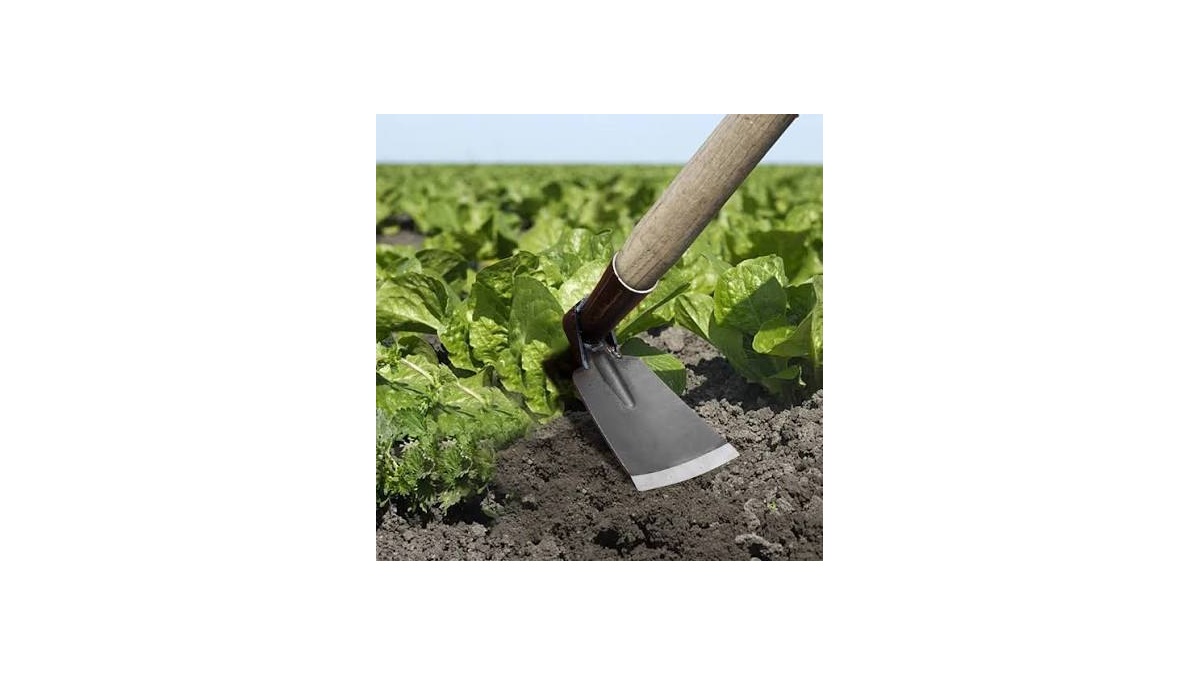
Farm tools and equipment are implements and machines that help in agricultural tasks such as land preparation, planting, crop protection, harvesting and post-harvesting. They include manual tools such as hoes and slashers, powered equipment such as threshers, and complex machinery such as combines.
ALSO READ:Agricultural Machinery in Dar es Salaam: Modern Equipment for Smarter Farming
Types of farm tools and equipment and their uses
The following table shows common farm tool names and uses:
Tool or equipment | Tool category | Main use |
Hoe or jembe | Hand tools | Digging, weeding and soil preparation |
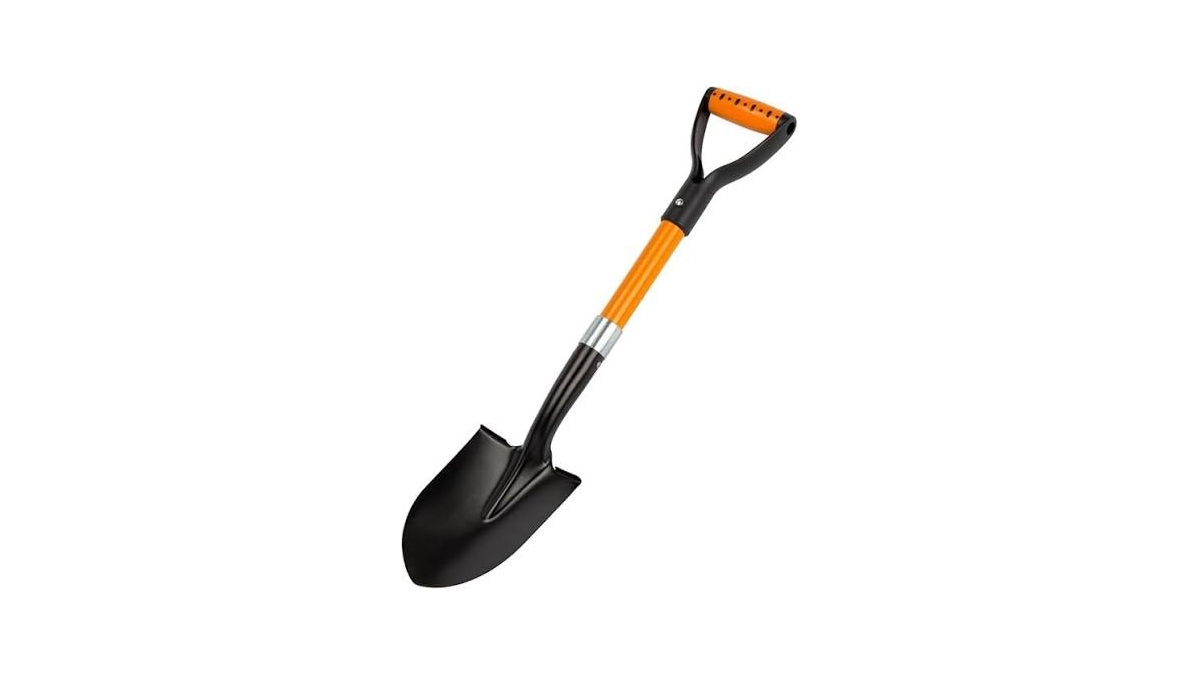
Spade or shovel | Hand tools | Digging and moving soil or materials |
Rake | Hand tools | Levelling soil and collecting debris |
Secateurs | Hand tools | Pruning suitable plants and branches |
Knapsack sprayer | Manual or powered equipment | Applying approved crop protection products |
Water pump | Powered equipment | Moving water for suitable irrigation applications |
Farm tractor | Mechanized farm machinery | Providing power for field operations and transport |
Power tiller | Mechanized farm machinery | Soil preparation and cultivation with compatible attachments |
Disc plough | Mechanized farm machinery | Primary soil preparation |
Disc harrow | Mechanized farm machinery | Breaking soil clods and preparing the seedbed |
Cultivator | Mechanized farm machinery | Soil cultivation and weed management |
Planter or seed drill | Mechanized farm machinery | Mechanized seed placement |
Fertilizer spreader | Mechanized farm machinery | Distributing fertilizer at a controlled rate |
Combine harvester | Mechanized farm machinery | Combining harvesting and grain-separation operations for suitable crops |
Farm tools and equipment for different farming operations
Farm tools and equipment can change throughout the farming cycle. Here are some essential tools in each stage of farming.
Land preparation equipment
Land preparation equipment helps in readying the farm for planting. The selected tools depend on farm size and cultivation form. This can include conventional primary and secondary tillage or conservation farming. Suchland preparation equipment includes:
● Hoes: Used for weeding, digging, and soil preparation. Hoes are low-cost, easy to maintain, versatile farm tools. They are ideal for small farms.
● Ploughs: Ploughs are used in conventional farm tillage to break up and turn over soil. Mouldboard ploughs turn soil and bury some residue, but repeated deep tillage may contribute to compaction under unsuitable conditions. Disc plough suitability depends on soil conditions, field residue and the tractor used. For conservation agriculture, chisel ploughs are used because they disturb less soil.
● Rotavators: Their rotating blades break down heavy, hard, dry soil clods into fine tilth in one pass during conventional tillage. They can also be used for secondary tillage after disc/mouldboard ploughs.
● Harrows: Used in conventional secondary tillage to further level and smooth the soil into fine particles. Disc harrows can break up soil clods and incorporate residue well. However, their horsepower requirements can overwhelm smaller operations. The choice of harrow depends on soil condition, field objectives and implement compatibility.
● Cultivators: They loosen and aerate the soil while controlling weeds. Spring-tine cultivators work better in light soils, while rigid-tine cultivators can handle rough soils. Cultivators level the surface and break the soil clods that escaped the harrow, leaving a uniform seedbed.
● Levellers: They help even out field surfaces; where soil firming is required, rollers or other suitable equipment may be used.
● Tractors and power tillers: These power units can support suitable tillage, planting and transport operations with compatible implements. Tractors include compact and utility tractors, used to operate farm implements and power agricultural operations. The choice of tractors and power tillers depends on farm size and tasks.
Planting and seeding
Proper seed placement is necessary for optimal crop germination and yields. Seed drills and planters increase the efficiency and precision of sowing. These machines ensure optimal seed depth and spacing. The high upfront costs can lead small-scale farmers to rely on traditional sowing techniques.
● Seed drills: They place smaller seeds at a controlled rate and depth, often in rows. Some models can apply fertilizer during the same pass; capabilities vary by model.
● Planters: They place seeds in rows at controlled spacing and depth. Depending on the model, seed metering may be mechanical, pneumatic or vacuum-assisted. Ask our team to confirm crop and tractor compatibility.
ALSO READ:Seeding and planting equipment in Tanzania| Agricom
Irrigation and crop management
Irrigation systems efficiently supply water to crops in dry areas or seasons. They include sprinklers, drip, and soaker irrigation systems. Their use varies by acreage and water specifications. Common equipment includes:
● Water pumps: They deliver water from the source to the fields. Centrifugal pumps are easy to operate and work well with shallow water sources, but may struggle with lift. Submersible pumps are reliable and efficient, but can be costly to operate. Pumps are powered by fuel or electricity.
● Drip systems: They apply controlled amounts of water and fertilizer to plants. A complete drip setup includes water pumps, filtering systems, fertilizer injectors, and distribution lines. Their costs can be prohibitive for small-scale farmers.
● Sprinklers: Used in overhead irrigation to simulate rainfall. They provide even water distribution over large areas. The water can be susceptible to evaporation.
● Irrigation accessories: Fertilizer injectors add fertilizer to the irrigation system. Other accessories include fittings and couplings for the drip line or distribution system.
Crop protection equipment
Sprayers help with pest control and fertilization, ensuring crops stay healthy and productive. Nozzles, spraying patterns and droplet size should be adjustable to the crop’s stage. Always wear protective gear to keep safe from chemicals. Here are some common crop protection tools :
● Knapsack sprayers: Manual or motorised portable sprayers used to apply approved crop-protection products to suitable crops. Follow product labels, calibration guidance and protective-equipment requirements.
● Boom sprayers: Tractor-mounted applicators that cover wide areas efficiently. Useful on large farms or in commercial production.
● Dusters: Apply formulations designed for dry-powder application. Use only approved products and follow their labels and safety instructions.
ALSO READ:Crop Protection Equipment in Tanzania | Types, Uses & Buying Guide
Harvesting and post-harvest handling
Harvesting crops at the right time is essential. Harvesting tools and equipment help farmers get the most from their crops. Post-harvesting equipment helps process crops. The best equipment includes:
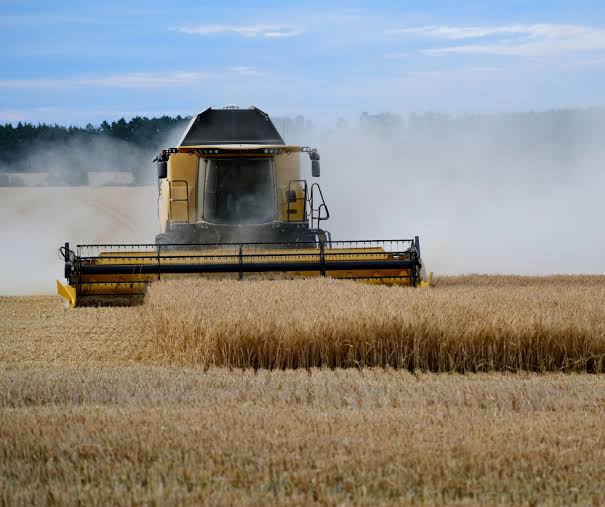
● Combine harvester: It reaps, threshes, and winnows crops in one pass. It’s versatile when fitted with compatible headers. It saves time, labor, and fuel compared to manual or separate methods, especially in large-scale agricultural production. Their high upfront and maintenance costs make them unfit for small-scale use.
● Threshers: They separate edible grains or seeds from impurities such as husks. Multi-crop threshers can separate various crops with proper adjustment. Diesel engines or tractor PTOs can power stationary threshers.
● Balers: They are used to collect hay, straw, and maize stalks. They then wrap them into manageable bales. The bale shape depends on the baler, i.e., round, square, and large square balers.
● Farm trailers: They carry harvested crops to collection points, storage, or processing centers. Farmers also use them to transport implements, inputs and tools to and from the farm.
● Grain dryers: Help lower crops’ moisture content for long-term storage. They include batch grain dryers, continuous-flow grain dryers, and portable and stationary grain dryers. Drying performance depends on the equipment, grain type, loading and target moisture content.
ALSO READ:Grain Dryers in Tanzania | Types, Uses & Buying Guide
How to choose the right farming tools and equipment
● Farm size and acreage determine equipment needs. The best farm equipment for small-scale farmers is compact and maneuverable. Large-scale farmers need powerful machinery to cover ground efficiently.
● Crop type determines specialized tools needed. For instance, large grain operations require combines.
● Soil type and field conditions determine tillage equipment. Clay soils may require different management depending on moisture, compaction and whether the farm uses conventional or conservation agriculture.
● Labour availability affects equipment choice. Farmers assess labor needs to decide when manual or mechanized labor is useful.
● Budget and operational costs constrain equipment choice. Select quality equipment that saves money long term. Balance the initial cost with long-term cost-effectiveness.
● Equipment capacity and expected workload.
● Select equipment that’s compatible with tractors and essential implements. Essential tractor implements in Tanzania should match HP. PTO, hitch types, weight, and lift capacity.
● Spare parts, maintenance, and operator support are key to reducing downtime. Select equipment that can be serviced and repaired conveniently.
Explore our Fieldking farm implements and ask us to check compatibility with your tractor.
Manual farm tools vs mechanized equipment
Manual farm tools are ideal for small-scale operations where maneuverability and compactness are necessary. Farm machinery in Tanzania helps fill manual labour gaps on small- to medium-scale farms. However, the initial and operating costs of mechanized solutions can be prohibitive, so hiring is more prevalent. Mechanized solutions are necessary for large-scale or commercial agricultural operations.
How to maintain farm tools and equipment
● Clean tools after use to ensure proper storage.
● Dry and store tools properly.
● Inspect handles, blades, and moving parts regularly. This helps address issues early.
● Lubricate components to reduce wear and tear.
● Sharpen cutting tools safely.
● Follow the manufacturer's servicing schedule for powered machinery such as tractors. This helps increase its service life.
● Inspect equipment before operation to prevent accidents.
● Replace worn or damaged components when necessary.
Where to buy farm tools and equipment in Tanzania
When selecting** farm equipment suppliers in Tanzania, **consider:
● The particular equipment or operation you need help with.
● Your crop, farm size, terrain and expected workload.
● Availability of relevant implements and attachments.
● Any servicing, spare-parts and operator-support needs.
● Your budget and the overall cost of ownership.
● The warranty or purchase terms you would like us to clarify.
● Your location and preferred delivery arrangements.
Why choose Agricom for agricultural farm equipment?
At Agricom, we supply agricultural machinery and implements for different stages of farming. Use our online shop to view listed products, or contact our team with your farm requirements for product information and quotations. Our support includes:
● We provide after-sales and technical support for eligible machinery purchases; exact coverage depends on the product and terms.
● We offer listed equipment and machinery for land preparation, planting, crop protection and harvesting; availability depends on the product.
● Our dealer network helps customers enquire about machinery across Tanzania.
● We can explain current financing-assistance options where applicable, subject to partner eligibility and approval.
● We offer spare parts for farm machinery and implements.
● Our experts advise you in choosing the right equipment for your needs.
ALSO READ:Ultimate tractor maintenance schedule and service checklist | Agricom
FAQs about farm tools and equipment
What are the common types of farm tools and equipment?
Common examples include hoes, rakes, hand and motorised sprayers, pumps, tractors, power tillers, planters, harrows and combine harvesters.
What is the difference between farm tools and farm machinery?
Farm tools are manual equipment such as hoes and rakes. Farm machinery refers to mechanized equipment usually powered by fuel or electricity.
How do I choose equipment for a small farm?
Consider your farm’s size, crop type, operational capacity, labour needs, soil type, and budget.
Where can I buy farm tools and equipment in Tanzania?
Browse Agricom’s online store for listed machinery and implements, or contact us to confirm the right equipment, availability and purchase options.
Conclusion
Farm tools and equipment can make agricultural work more efficient when selected for the task, field conditions and budget. At Agricom, we help Tanzanian farmers compare machinery and implements for land preparation, planting, crop management and harvesting, with technical guidance where needed.
To confirm availability or request a quotation, share your equipment requirements with our team.