
Farm Vehicles: Types, Names and Uses in Agriculture
Yaani Media
Explore farm vehicles in Tanzania, including tractors, power tillers and harvesters. Compare their uses and find suitable farm machinery at Agricom.
Farm Vehicles: Types, Names and Uses in Agriculture
Farm vehicles are powered or self-propelled machines used for land preparation, planting, crop care, harvesting and moving agricultural materials. Common farm vehicles include tractors, walking tractors (power tillers), combine harvesters, farm utility vehicles and self-propelled sprayers. This guide explains the main types of farm vehicles, what each one does and how to choose suitable equipment for farming in Tanzania.
Different farming tasks call for different machines. A power tiller may suit a compact field or paddy operation, while a larger tractor can pull compatible implements for more demanding fieldwork. At Agricom, we help Tanzanian farmers compare agricultural machinery for their crops, land and workload. Explore the farm tractors guide to understand available tractor types before selecting a model.
What are farm vehicles?
Farm vehicles are powered machines designed to move around farms while performing agricultural tasks or transporting materials. They may be driven by an operator, controlled while walking behind them, or fitted with their own propulsion systems. For example, a tractor provides power and traction for fieldwork, while a plough is an implement attached to the tractor rather than a separate vehicle. Similarly, trailers are usually towed equipment, while farm utility vehicles can move independently. Understanding this distinction helps farmers check whether attachments are compatible with the vehicle’s hitch, power take-off (PTO) or hydraulic system.
For tractor options, compare the models and buying considerations in our tractors for sale in Tanzania guide.
Types of farm vehicles and their uses
Agricultural farm vehicles differ in size, design, operating capacity and purpose. Some perform several tasks using compatible implements, while others are designed for specific operations such as harvesting, spraying or transporting farm materials.
Farm tractors
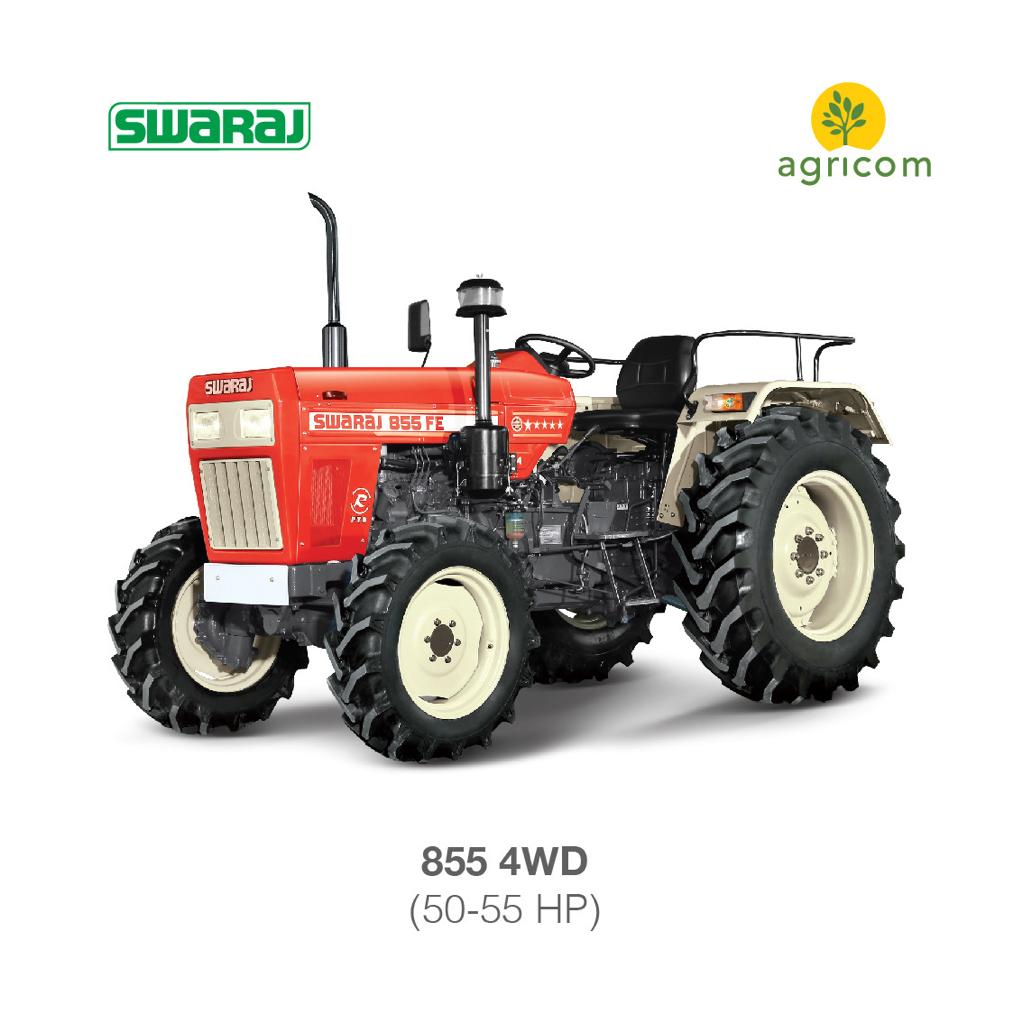
Farm tractors are agricultural vehicles designed mainly for pulling or powering compatible implements and moving materials with appropriate attachments. They are used for ploughing, harrowing, planting, hauling and other field operations. Tractors come in different sizes, horsepower ratings and drive configurations, including 2WD and 4WD models. Their suitability depends on workload, soil conditions, terrain, required implement power and field access.
Walking tractors (power tillers)
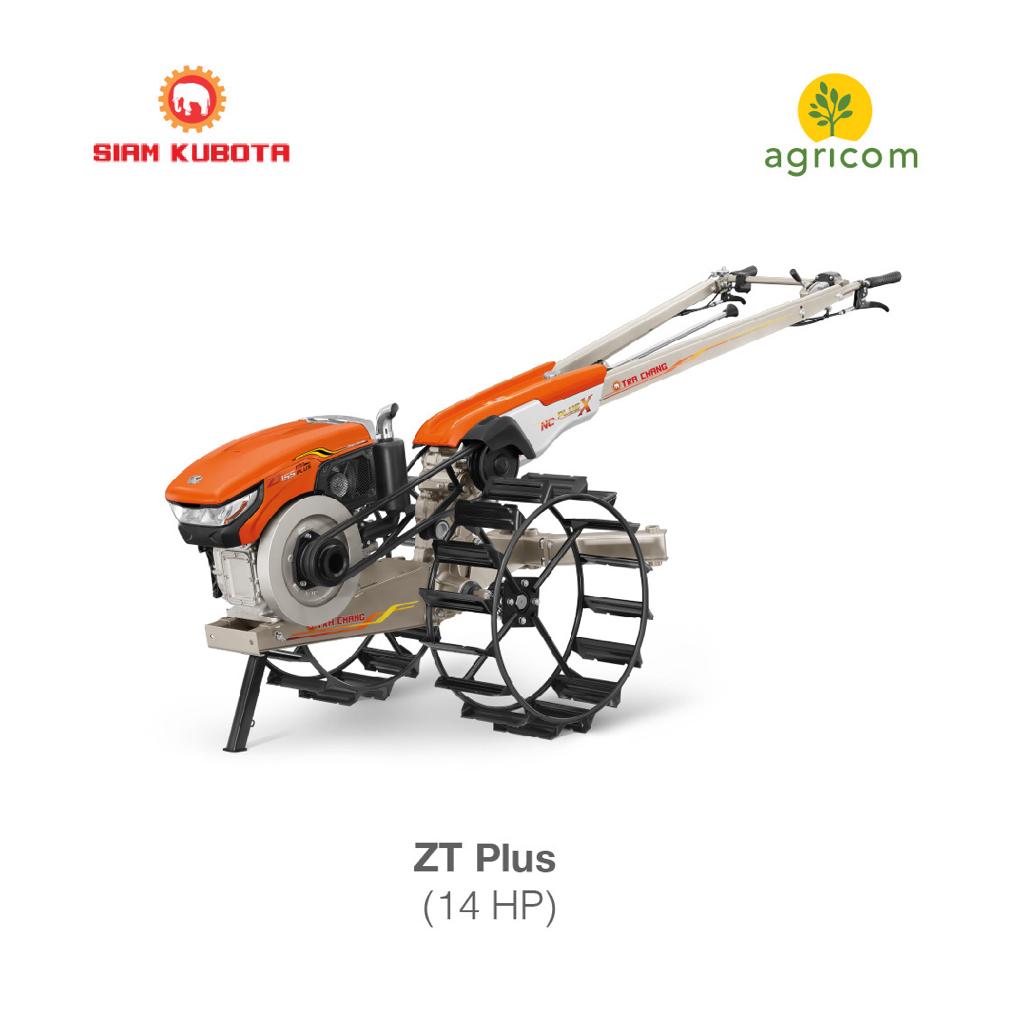
Walking tractors, also known as power tillers, offer practical options between manual fieldwork and larger agricultural machinery. Operators generally guide these machines from behind, although some models can use compatible seating or transport attachments. They can be useful on smaller plots, suitable rice paddies or farms where larger tractors have limited manoeuvring space. Before buying, assess your soil conditions, operator requirements, working capacity and attachment compatibility.
Compare the Kubota ZT140 14 HP power tiller specifications, then view the ZT140 product and request a quotation with your intended work and farm location.
Combine harvesters
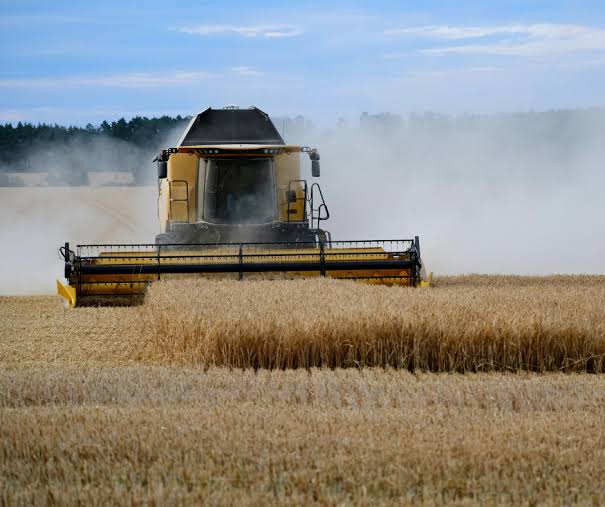
Combine harvesters, also called combines, are machines used to harvest suitable grain crops by combining cutting, threshing and grain-cleaning operations. Crops may include wheat, maize or rice, depending on the machine’s design, harvesting header and configuration. Not every combine is suitable for every crop, so farmers should check harvesting capacity, grain losses, field conditions and available maintenance support. Before buying, compare the machine’s operating specifications against the crops and acreage to be harvested.
For post-harvest equipment beyond combines, see our guide to harvesting, threshing and storage equipment in Tanzania.
Farm utility vehicles and ATVs
Farm utility vehicles and all-terrain vehicles (ATVs) are used to move workers, tools and smaller loads around suitable farm properties. Many utility task vehicles have side-by-side seating and a cargo bed for carrying equipment or supplies. ATVs commonly use straddle seating and handlebar steering, although their carrying and passenger capacities vary by model. Their suitability depends on terrain, manufacturer-rated load capacity, operator safety and the intended farm activity.
Self-propelled sprayers and specialised farm vehicles
Self-propelled sprayers use their own drive systems to move through fields while applying crop protection products. They are designed for particular spraying requirements, crop conditions and field sizes. Their operating capacity depends on factors such as tank size, boom width, application system and ground clearance. A tractor-mounted or tractor-trailedcrop sprayer differs because it relies on a separate tractor for movement.
Compare crop sprayers available in Tanzania and confirm whether you need a self-propelled machine or a tractor-mounted or trailed sprayer.
Farm vehicles list: names, uses and applications
The following table summarises common mobile farm machinery categories, their uses and suitable applications. Some are specialised agricultural machines, while others are general transport vehicles used on farms, and their availability at Agricom should be confirmed individually.
Farm vehicle | Main use | Typical application |
Agricultural tractor | Pulling and operating compatible implements | Land preparation, planting and hauling |
Cultivation and soil preparation | Smaller fields and suitable paddy operations | |
Combine harvester | Cutting, threshing and cleaning grain | Harvesting compatible grain crops |
Farm utility vehicle | Moving workers, tools and smaller loads | Transport around farm properties |
Farm pickup or agricultural truck | Moving supplies and harvested produce | Farm and road transport |
Self-propelled sprayer | Mechanised crop spraying | Crop protection on suitable farms |
Availability note: The list explains types of vehicles used in agriculture; it is not a statement that Agricom stocks every category. Check Agricom’s current product listings or enquire about a specific machine.
Farm vehicles for small and large farms
Whether you operate a small or large farm, the right vehicle should match your workload and field conditions, not just your total acreage. Crop type, soil conditions, field layout, access routes, available working time and budget also influence the choice.
Farm vehicles for small farms
Power tillers and suitable compact tractors can be practical options forsmall farm equipment in Tanzania. Their compact design may suit smaller plots, narrow access routes or operations requiring lighter implements. Before purchasing, consider working width, fuel use, maintenance costs and the tasks you need to complete. Hiring machinery for occasional work may also be more economical than ownership, depending on local service availability.
Farm vehicles for large farms
Farm vehicles suitable for larger farms include tractors, combine harvesters and specialised machines selected for particular tasks. Larger operations may require greater field capacity, suitable working widths and equipment capable of completing work within seasonal deadlines. Before purchasing, check machine capacity, operating hours, access conditions, compatible attachments and maintenance requirements. Compare the cost of ownership with hiring or contracting services when equipment will only be needed occasionally.
Browse the Agricom machinery shop to shortlist equipment. Share your farm size, crop and intended tasks when contacting our team so we can discuss suitable specifications and current availability.
How to choose the right farm vehicle in Tanzania
Choosing a farm vehicle requires more than comparing engine size or purchase prices. Match the vehicle’s capabilities to the tasks, terrain, working schedule, and long-term operating costs of your farm.
1. Farm size and workload: Identify tasks such as land preparation, cultivation, harvesting or transporting materials, and estimate the area or quantity handled within the required time.
2. Soil and terrain: Consider slopes, wet ground, soil conditions, field access, and how easily the machine can manoeuvre.
3. Engine power and capacity: Compare horsepower, available traction, working width and PTO requirements where applicable.
4. Implements and attachments: Check compatibility with the hitch, power take-off, hydraulic system and operating specifications.
5. Fuel and maintenance: Review fuel consumption, servicing arrangements and the availability ofcompatible spare parts for the selected model.
6. Operator requirements: Check controls, safety features, operator training and the machine’s operating instructions.
7. Budget: Compare purchase price with fuel, maintenance, repairs, transport and other ownership expenses.
Engine horsepower alone does not determine whether a tractor can perform a particular task effectively. The machine must also have suitable traction, working capacity, and compatible implements. Review manufacturer specifications and compare potential models before purchasing.
Use our tractor specifications guide to compare horsepower, PTO, engine, weight and other specifications before requesting a quote.
Not sure whether to choose a two-wheel machine or a four-wheel tractor? Read our power tiller versus tractor comparison, then tell us which field tasks you need to complete.
Benefits of using farm vehicles in agriculture
When correctly selected, operated and maintained, farm vehicles can reduce manual work and the time needed for certain agricultural activities. Farm vehicles support different stages of farming, from preparing land to transporting harvested produce.
• Reducing dependence on labour-intensive manual field operations.
• Completing suitable fieldwork faster than manual methods.
• Helping farmers schedule land preparation and harvesting activities.
• Moving supplies, equipment and harvested products.
• Operating compatible implements for different farming tasks.
• Improving the timeliness of activities across larger farming operations.
The benefits depend on field conditions, equipment capacity, operator skills and maintenance practices. Farm vehicles do not automatically guarantee higher yields or lower production costs. Farmers should compare expected time savings and operating expenses against the cost of purchasing or hiring a machine.
Farm vehicle prices in Tanzania
Farm vehicle prices in Tanzania depend on vehicle category, brand, model, engine power, and technical specifications. The cost ofagricultural machinery also varies according to drive configuration, attachments, machine condition and delivery requirements. For tractors, features such as 2WD or 4WD, hydraulic capacity and available implements can influence the purchase price. Buyers should also consider warranty terms, servicing, fuel consumption and spare-parts requirements when comparing total ownership costs.
Get a quotation for suitable farm machinery: Tell our team your location, farm size, crops, expected workload and preferred machine. Contact Agricom to check current availability and quotation details, or find an Agricom branch for local assistance.
Where to buy farm vehicles in Tanzania
At Agricom, we provideagricultural machinery and mechanisation solutions for different farming requirements in Tanzania. We help farmers review machine specifications, compare equipment categories and identify suitable options for their operations.
When exploring agricultural machinery through Agricom:
• Explore our listed tractors, power tillers and harvesting equipment.
• Compare machinery specifications against your field conditions and workload.
• Ask about available models, brands and equipment configurations.
• Confirm spare-parts availability and after-sales arrangements for the selected machine.
• Discuss suitable implements, operator requirements and maintenance considerations.
Compare equipment before you buy. Browse Agricom machinery to review products, then ask our team for a quotation based on your crops, field conditions and required attachments. Confirm availability, delivery and after-sales support for the specific model.
FAQs about farm vehicles
What are farm vehicles?
Farm vehicles are powered or self-propelled machines used for agricultural work and transport. Examples include tractors, power tillers, combine harvesters and farm utility vehicles.
What are the main types of farm vehicles?
Common categories include farm tractors, walking tractors, combine harvesters, utility vehicles, agricultural trucks and specialised self-propelled machinery.
Which vehicle is most commonly used for farming?
Tractors are widely used among mechanised farm vehicles because they can perform several tasks using compatible implements. However, their prevalence varies by farming system and location.
What farm vehicle is suitable for a small farm?
A power tiller or suitable compact tractor may work well for a smaller farm. The right choice depends on the soil, crops, field layout, workload and budget.
Where can I buy farm vehicles in Tanzania?
You can explore farm machinery through Agricom and request information on suitable models, current availability and quotations.
Conclusion
Farm vehicles support land preparation, cultivation, harvesting and moving materials across a farm. Choosing the right machine depends on workload, terrain, compatible farm implements and the full cost of ownership. Explore Agricom farm machinery, compare the specifications and request a quotation for equipment suited to your farm in Tanzania.